Solar, Generators & EV Chargers in Lake Tahoe, NV
Nevada Tahoe Property Upgrade
Solar, Generators & EV Chargers in Lake Tahoe, NV: A Quick TRPA FAQ for Tax-Free Relocators
If you are moving to the Nevada side of Lake Tahoe and planning solar, backup power, or EV charging, the property may need to satisfy TRPA requirements in addition to county and utility requirements.
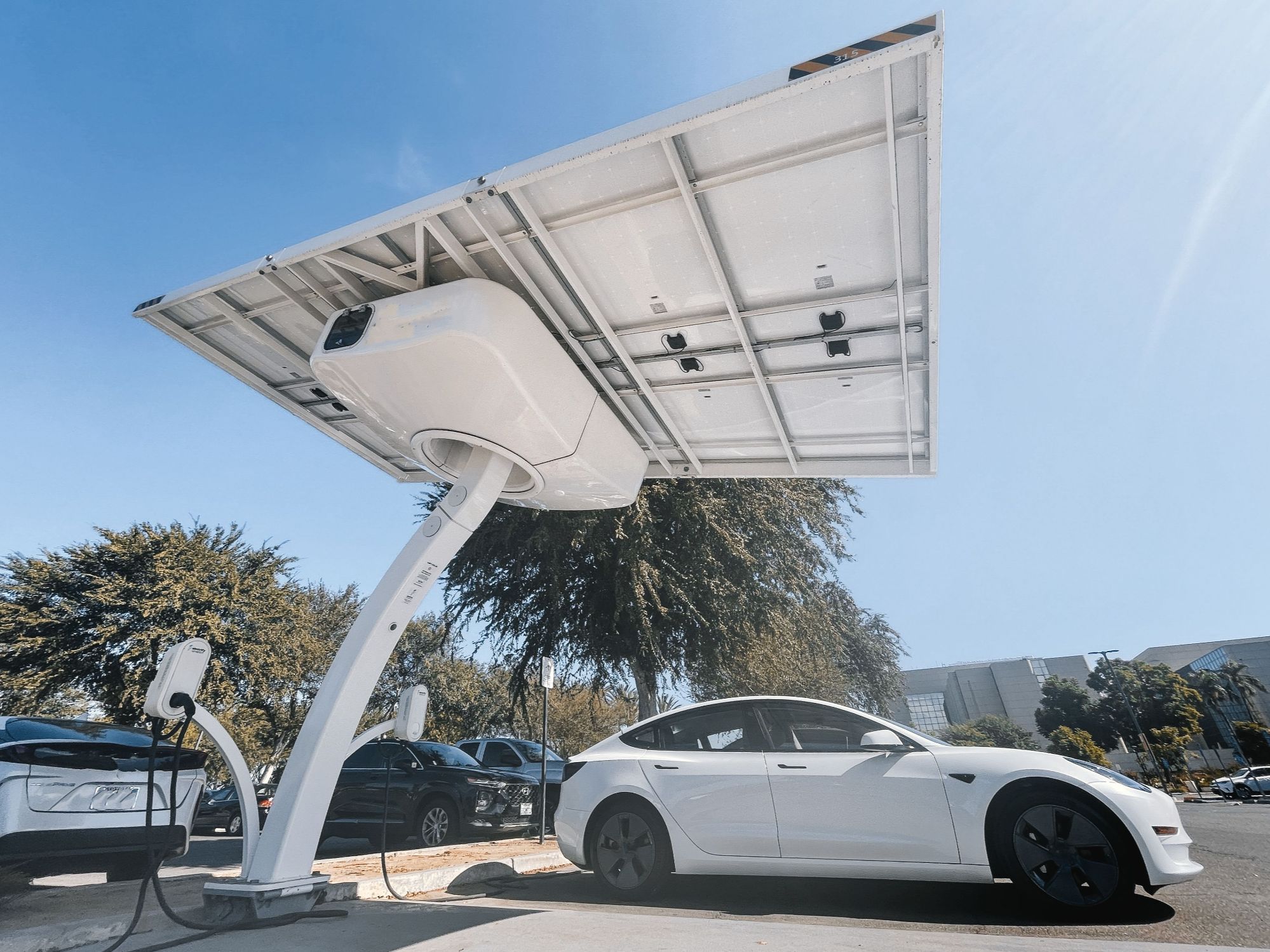
Moving from California, Washington or other high-tax states to Nevada's tax-free side of Lake Tahoe? You will likely want modern infrastructure such as solar, backup power, and EV charging in your new home.
One important consideration is the Tahoe Regional Planning Agency, or TRPA. Its requirements can apply alongside normal Washoe County or Douglas County permitting.
Here is the quick version of what buyers and property owners should understand before planning these upgrades.
Can You Add Solar Panels to a Nevada Tahoe Home?
Yes. TRPA supports rooftop solar, and many residential systems may qualify for a simplified Qualified Exempt review instead of a full permit.
The installation still needs to meet several important conditions.
Roof Position
Panels should generally be flush-mounted, roughly parallel to the roof, and positioned within about 10 inches of the roof surface.
Glare & Appearance
Panels should be non-glare or anti-reflective. Color documentation may also be required to help address scenic-corridor glare concerns.
Sierra Snow Loads
Solar racking should be engineered for local snow loads, which can vary significantly by elevation and property. A structural engineer should confirm the specifications for the specific roof.
Why This Matters Before Installation
When these requirements are handled correctly, many residential solar installations in Incline Village, Glenbrook, or Zephyr Cove may move through the simplified review process. If the project does not qualify, it can be moved into a more involved TRPA review.
Calculate Your Potential Nevada Tax Savings
If your Tahoe purchase is part of a move from California, Washington, or another high-tax state, estimate how Nevada's tax structure could affect your broader household strategy.
Use the NV Tax Savings Calculator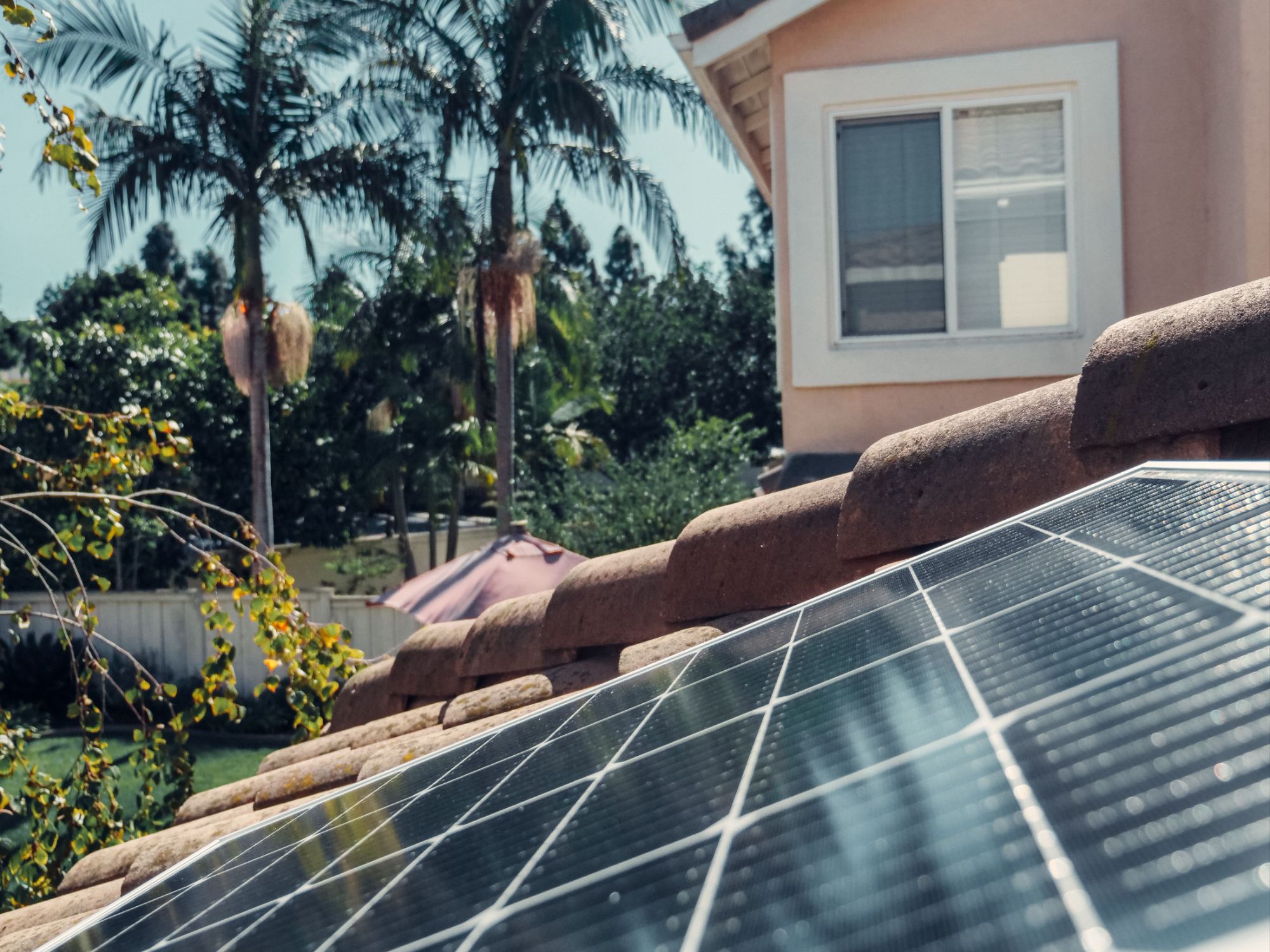
What Should You Know About Backup Generators?
Backup generators can be valuable during winter power interruptions, but TRPA requirements can apply alongside Washoe County or Douglas County rules.
Three issues are particularly important when evaluating where and how a generator could be installed.
Noise Limits
Noise standards are set locally by Washoe County or Douglas County and can vary by zoning. Confirm the applicable limit for the property before purchasing a generator.
Setbacks & SEZ Restrictions
Generator placement can be restricted near property setbacks and Stream Environment Zones, or SEZs. Protected stream and wetland buffers can extend approximately 25 to 50 feet or more depending on classification.
Sound-Attenuating Enclosures
Generator enclosures should be designed to reduce sound and finished in dark, earth-tone colors consistent with TRPA design standards.
Planning to Make Nevada Your Primary Residence?
If your Tahoe property purchase is part of a California-to-Nevada or Washington-to-Nevada relocation, use The 2026 NV Residency Guide to understand the broader transition beyond the real estate purchase.
Explore The 2026 NV Residency GuideCan a Tahoe Home Support Multiple EV Chargers?
Maybe, but the existing electrical service needs to be evaluated.
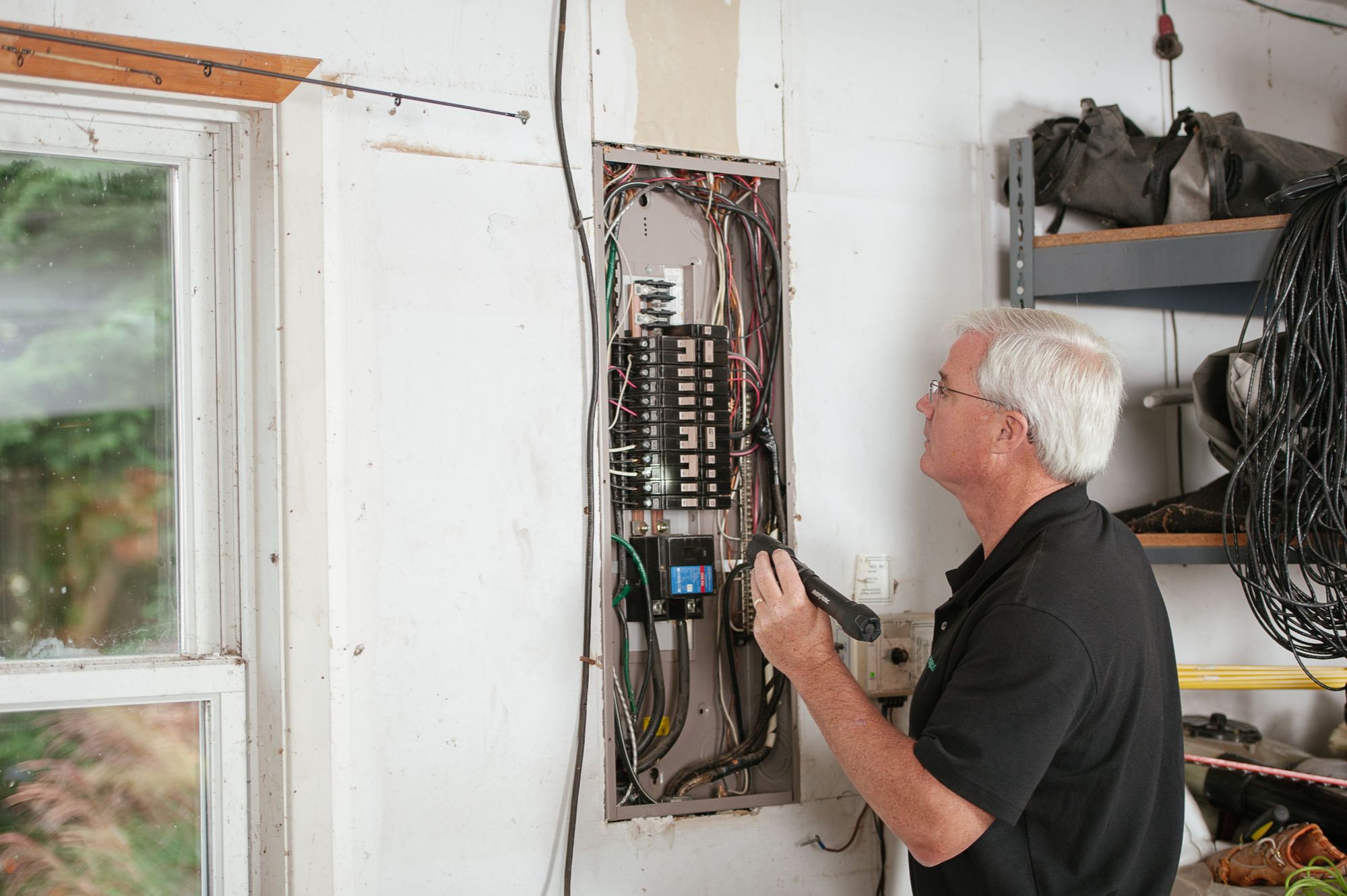
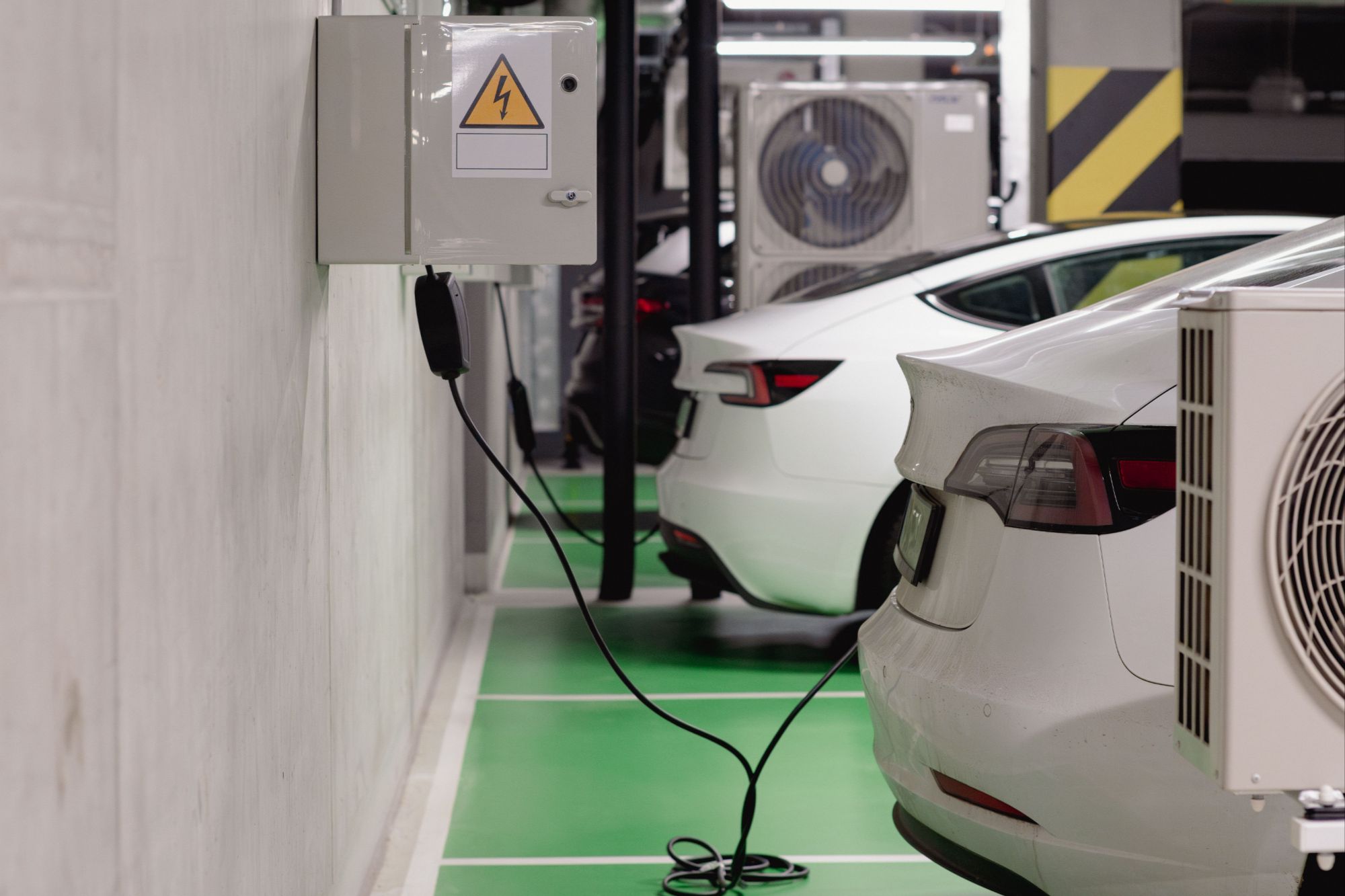
A household operating multiple electric vehicles such as a Tesla, Lucid, Rivian, or Porsche Taycan can add significant electrical demand, particularly when the home also uses heat pumps, hot tubs, and other high-load equipment.
200-Amp vs. 400-Amp Electrical Service
A standard 200-amp panel may not have enough available capacity for multiple EV chargers together with other high-demand systems.
A qualified electrician should evaluate the property and determine whether a 400-amp electrical-service upgrade is appropriate.
Contact NV Energy Early
The home's electrical panel is only part of the equation. Transformer capacity on the street can affect project timing in areas such as Incline Village or Glenbrook, so NV Energy should be involved early when a major service upgrade is being considered.
What Should Buyers Verify Before Closing?
One upgrade can involve TRPA review, county permits, environmental restrictions, electrical professionals, and utility capacity.
That makes upgrade potential an important part of property due diligence for buyers who already know these systems will be important to their Tahoe lifestyle.
Property Upgrade Due Diligence Checklist
- Determine whether the proposed solar installation is likely to meet the applicable TRPA requirements.
- Confirm roof structure and snow-load requirements with an appropriate professional.
- Check generator noise requirements, setbacks, and possible SEZ restrictions.
- Evaluate the home's existing electrical panel and expected EV, heating, spa, and household loads.
- Contact NV Energy when major service or transformer-capacity questions may affect the project.
Build a More Deliberate Nevada Residency Move
If the property will become part of your Nevada residency strategy, use the NV Residency Guide - Safe Harbor Checklist to organize practical residency steps and documentation.
Get the Safe Harbor Checklist
The Easiest Path: Know What the Property Can Support Before You Close
TRPA review, county permits, SEZ boundaries, and utility capacity can involve several different parties for one property upgrade.
For a buyer, the important question is not simply whether you want solar, backup power, or multiple EV chargers. It is whether the specific home can practically support those improvements.
Tahoe Tony connects buyers with trusted local contractors, engineers, and utility specialists so they can better understand a property's upgrade potential before closing escrow.
Want to Review a Property's Upgrade Potential?
If you are evaluating a home in Incline Village, Crystal Bay, Glenbrook, Zephyr Cove, or elsewhere on the Nevada side of Lake Tahoe, look beyond the finishes and the lake view.
Understanding solar potential, generator placement, electrical capacity, and site restrictions before closing can help you make a more informed purchase.
Connect With Tahoe TonyThis article is for general informational purposes only and does not constitute legal, engineering, electrical, environmental, tax, permitting, architectural, utility, or land-use advice. TRPA standards, Washoe County and Douglas County requirements, SEZ classifications, setback rules, noise limits, electrical requirements, utility capacity, permit procedures, and other regulations can change and can vary by property. Buyers and property owners should independently confirm project-specific requirements with TRPA, the appropriate county, NV Energy, qualified electricians, engineers, contractors, and other relevant professionals before purchasing equipment or beginning work.
TRPA Solar, Generator & EV FAQ
Frequently Asked Questions
Common questions Nevada Tahoe property owners and relocating buyers ask about rooftop solar, backup generators, EV charging, TRPA review, electrical capacity, and site restrictions.
Does TRPA allow rooftop solar panels in Lake Tahoe? +
Yes. TRPA supports rooftop solar, and many residential systems may qualify for a simplified Qualified Exempt review rather than a full permit when applicable requirements are met.
What are the main TRPA requirements for rooftop solar? +
Panels should generally be flush-mounted and roughly parallel to the roof, remain within about 10 inches of the roof surface, use non-glare or anti-reflective finishes, and include appropriate color documentation.
Do solar panels in Lake Tahoe need special snow-load engineering? +
Solar racking should be engineered for Sierra snow loads, which vary by elevation and property. A structural engineer should confirm the requirements for the specific roof.
Are backup generators subject to both TRPA and county rules? +
Yes. Generator installations can involve TRPA requirements together with Washoe County or Douglas County rules covering issues such as noise, placement, setbacks, and site-specific restrictions.
Can a backup generator be installed near a Stream Environment Zone? +
Generator placement can be restricted near Stream Environment Zones, or SEZs. Protected stream and wetland buffers may extend roughly 25 to 50 feet or more depending on classification, so the property's specific boundaries should be verified.
What type of enclosure should a Tahoe backup generator have? +
Generator enclosures should be sound-attenuating and finished in dark, earth-tone colors consistent with TRPA design standards. Applicable local noise requirements should also be confirmed.
Is a 200-amp electrical panel enough for multiple EV chargers? +
Not always. A 200-amp service may be insufficient when multiple EV chargers are combined with heat pumps, hot tubs, and other major electrical loads. A qualified electrician should determine whether a 400-amp upgrade is appropriate.
Why should NV Energy be contacted before an EV electrical upgrade? +
Transformer capacity on the street can affect the timing of a major electrical-service upgrade. This can matter in areas such as Incline Village or Glenbrook, so NV Energy should be involved early.
What should buyers verify before purchasing a home that needs these upgrades? +
Buyers should evaluate TRPA requirements, county permitting, SEZ boundaries, roof and snow-load conditions, generator placement, electrical capacity, and utility capacity before assuming a property can support the planned upgrades.
If your purchase is part of a Nevada relocation, review the 2026 NV Residency Guide and the Safe Harbor Checklist .
Categories
Recent Posts