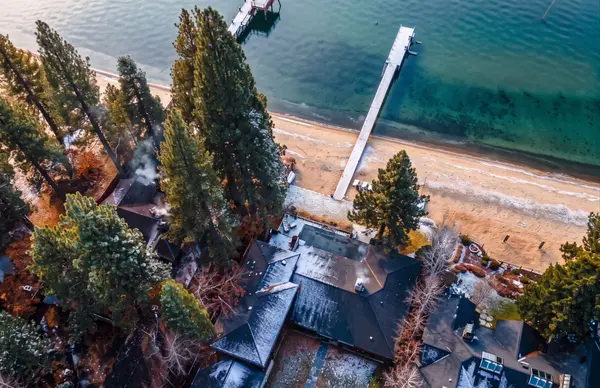
A Simple Guide to Utility Water, Lake Intakes, Wells & Water Rights
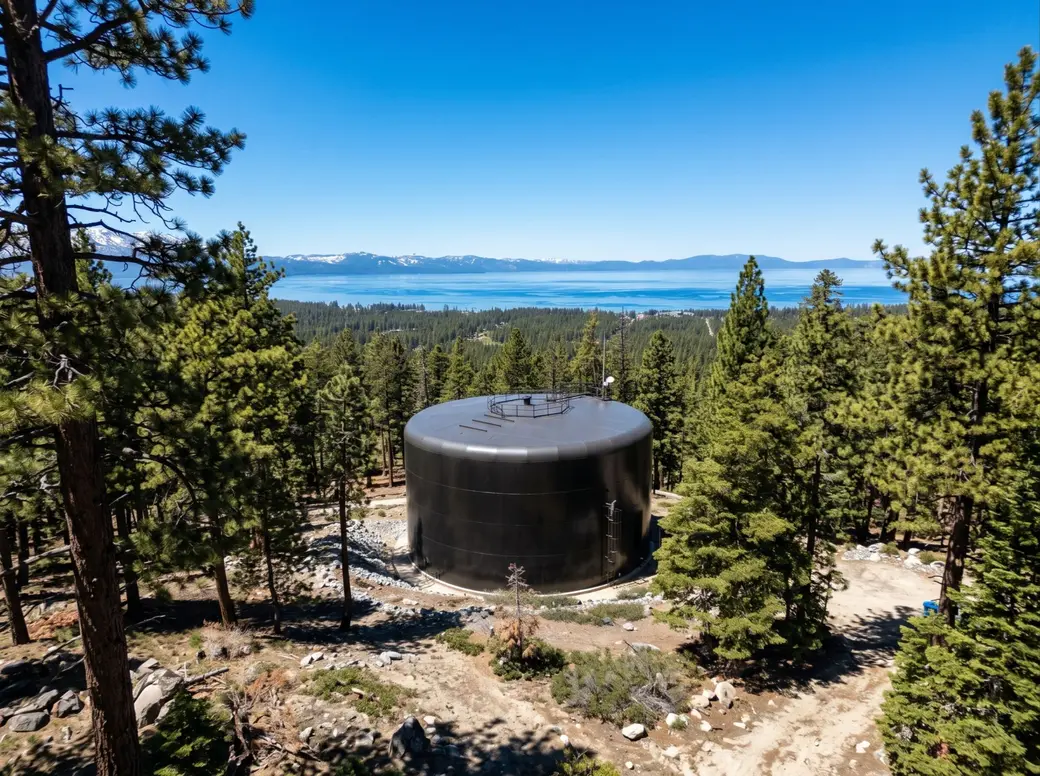
Nevada Tahoe Water & Utility Guide
Water at Your Nevada Lake Tahoe Home: A Simple Guide to Utility Water, Lake Intakes, Wells & Water Rights
Most Nevada Tahoe homes have straightforward utility water. A few special properties have private lake intakes, wells, or water rights that deserve a little extra due diligence before you buy.
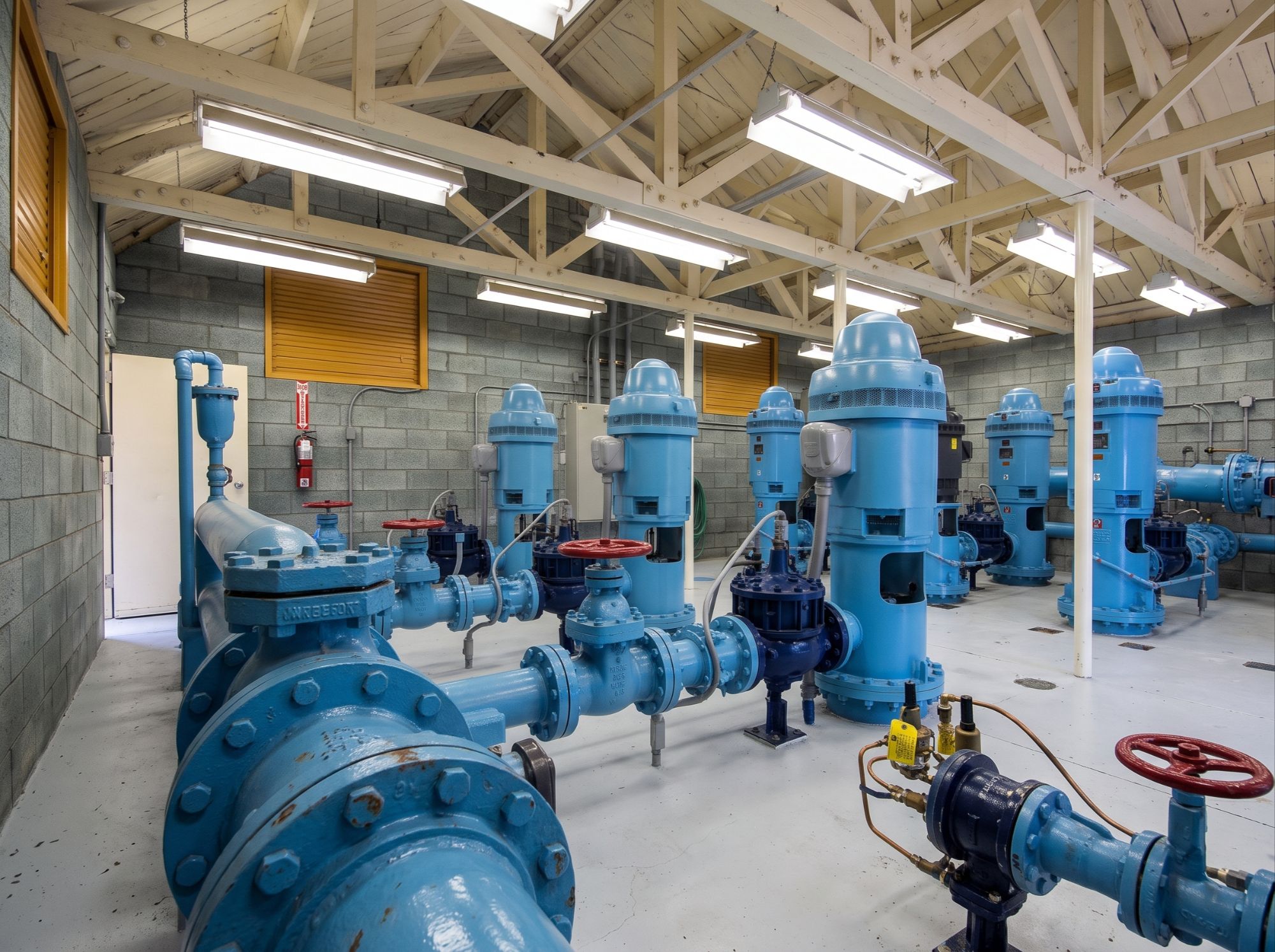
Moving from California, Washington, or another high-tax state to enjoy Nevada's no individual state income tax?
Here's the good news: for most homes on the Nevada side of Lake Tahoe, water is relatively simple.
Most properties are served by an established local utility. A smaller number of special properties, including some historic estates and East Shore homes, may have a private lake intake, domestic well, or separate water rights.
Those properties are not necessarily complicated. They simply require a few additional questions before your contingency period ends.
Nevada Tahoe Water at a Glance
Where Does My Water Come From?
For most buyers, the answer is simple: a local public or community water system.
The exact provider depends on the neighborhood and address.
Incline Village
Most homes in Incline Village receive water through the Incline Village General Improvement District, or IVGID.
Kingsbury
Certain properties on the Douglas County side are served through Kingsbury General Improvement District.
Round Hill
Round Hill General Improvement District provides water service within its applicable service area.
Zephyr Cove Area
Zephyr Water Utility serves applicable properties in this portion of Douglas County.
Glenbrook
Glenbrook Water Cooperative serves applicable properties within the Glenbrook community.
Where Does Incline Village Drinking Water Come From?
According to the source, IVGID draws its water from Lake Tahoe.
The water is disinfected using ozone and ultraviolet light, with a chlorine residual maintained in the distribution system.
IVGID also reports on the system through its annual water quality report.
Considering Nevada for the Tax Advantages Too?
If your Tahoe home purchase is part of a move from California, Washington, or another higher-tax state, estimate your potential Nevada tax savings while comparing utilities and other long-term ownership costs.
Use the NV Tax Savings Calculator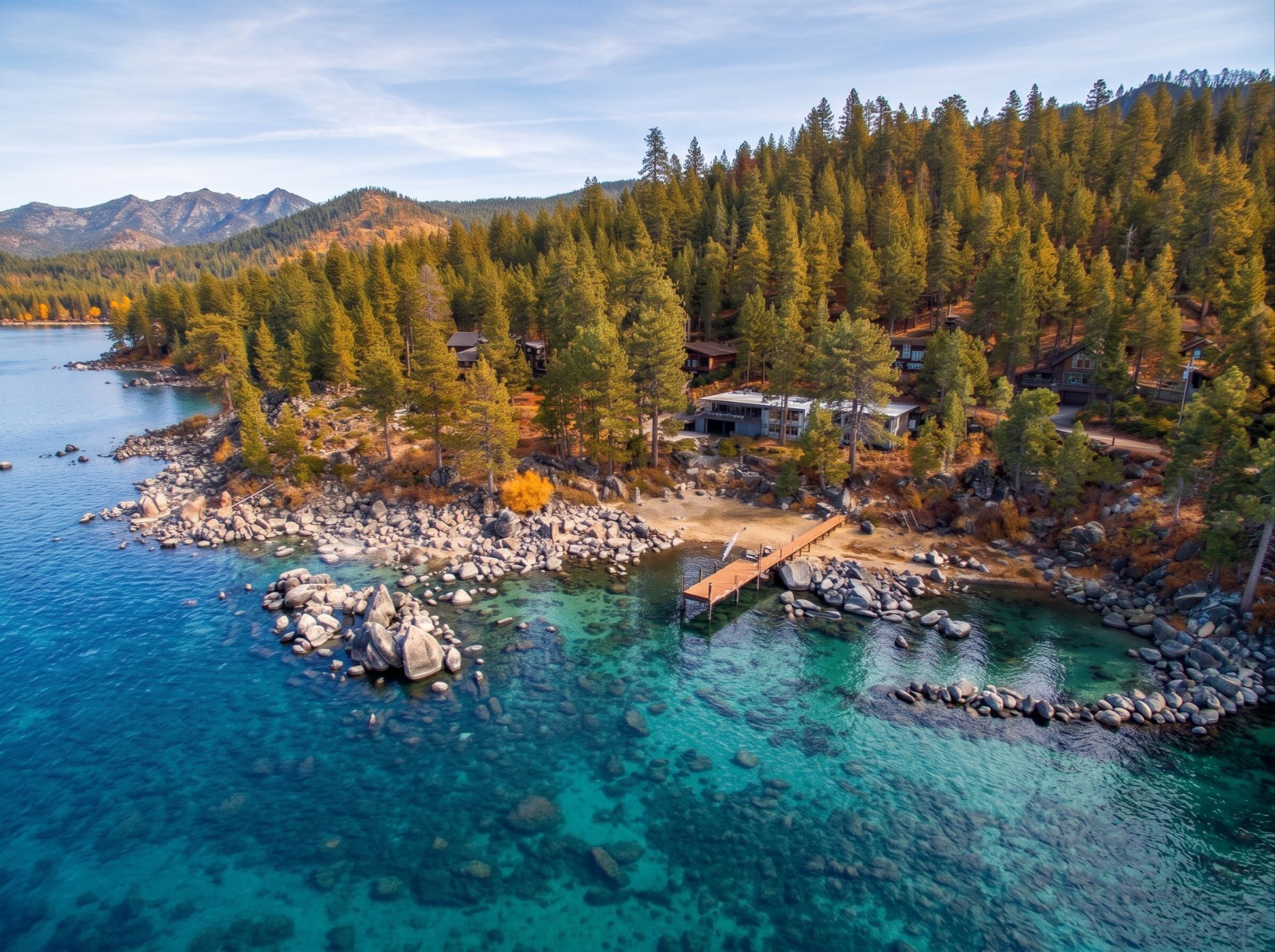
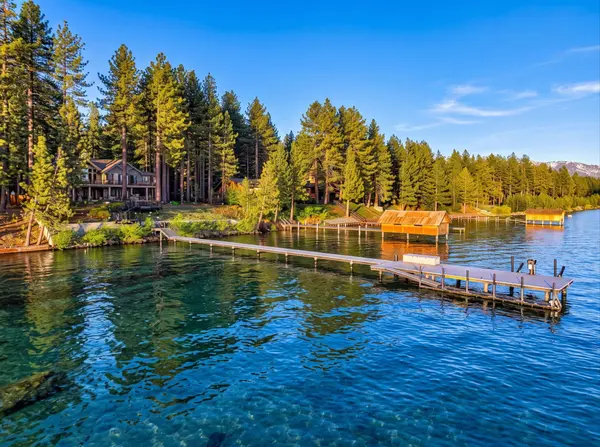
Do Some Homes Have a Private Lake Intake?
Yes.
The source notes that some East Shore properties use private lake-intake systems rather than relying entirely on a conventional water utility.
If you are considering one of these properties, there are three important items to verify.
Confirm the Nevada Water Right
Verify that the property has a valid Nevada water right through the Nevada Division of Water Resources, or NDWR.
Confirm the Intake Permits
Verify the required permits for the intake pipe and related infrastructure.
According to the source, this can include TRPA and other agencies such as Nevada State Lands.
Understand the Water-Testing Responsibility
With a private system, water quality testing becomes the owner's responsibility rather than something handled entirely by a community water utility.
Private Intake Does Not Mean "Bad Water"
It simply means the buyer needs to understand the property's specific water right, infrastructure, permits, maintenance, and testing responsibilities.
Ask for the documents while you are still in your contingency period.
Planning to Make Nevada Your Primary Residence?
Water due diligence is only one part of a California-to-Nevada or Washington-to-Nevada move. Use The 2026 NV Residency Guide to understand the broader practical transition.
Explore The 2026 NV Residency Guide
Can I Drill a New Private Well?
Usually not when a public water system can physically and legally serve the property.
According to the source, domestic wells serving a single-family home generally do not require a Nevada state permit, but they are relatively uncommon around Lake Tahoe.
Before assuming a well can be drilled, check with the Nevada Division of Water Resources and the applicable local health district.
Do Not Assume "No Existing Well" Means You Can Add One
Water availability is regulated differently from ordinary home-improvement work.
If a public water system can serve the parcel, a new domestic well may not be an available option. Confirm that before assigning value to future well potential.
Utility Water vs. Private Intake vs. Well
The systems are different, but the buyer's goal is the same: understand where the water comes from and what documents or responsibilities come with it.
| Water Source | How It Works | Key Buyer Question |
|---|---|---|
| Local Utility | Water is supplied and treated by the applicable local utility or community system. | Which utility serves the exact property, and what are the current service charges? |
| Private Lake Intake | Water is drawn privately from Lake Tahoe through permitted intake infrastructure. | Is there a valid water right, are the intake permits in place, and who handles testing? |
| Private Well | Groundwater is supplied through a private domestic well serving the property. | Is the well legal and documented, and can the parcel legally use a private well? |
How Do Water Rights Transfer When I Buy the Home?
This is especially important when the property has private water rights rather than only ordinary utility service.
The source outlines three straightforward steps.
Read the Deed
Confirm that the deed addresses whether the associated water rights transfer to you with the property.
File a Report of Conveyance
Recording the deed transfers ownership, but according to the source, that alone does not update the Nevada Division of Water Resources' ownership records.
A Report of Conveyance should be filed with NDWR to update the state's records.
Verify the Water-Right History
Ask the title and escrow team to verify the water-right documentation and bring in a water-rights professional if the history or ownership is unclear.
The Deed and the State's Water Records Are Two Different Things
Recording the real estate deed handles the property transfer.
The separate NDWR Report of Conveyance is what updates the state's records for the water right.
If water rights are an important part of what you are buying, make sure both pieces are addressed.
What Should I Ask Before My Contingency Period Ends?
Most water questions can be resolved quickly if they are raised early in escrow.
Nevada Tahoe Water Due-Diligence Checklist
- Which utility or water system serves this exact address?
- Is the property connected to ordinary utility water?
- Does the property have a private lake intake?
- Does the property have an existing private well?
- Are any Nevada water rights associated with the property?
- If there is a private lake intake, confirm the applicable NDWR water right.
- Review TRPA and any other applicable permits for the intake infrastructure.
- Determine who is responsible for private water-quality testing.
- Review the deed for language addressing water-right transfers.
- Confirm whether a Report of Conveyance needs to be filed with NDWR.
- Ask the title and escrow team to verify the water-right history.
- Bring in a qualified water-rights professional when the documentation is unclear.
Pro Tip
Before your contingency period expires, ask one simple question:
Which utility serves this address, is there a private intake, well, or water right, and where is the paperwork?
Build a More Deliberate Nevada Transition
If your Lake Tahoe purchase will become part of your Nevada residency strategy, use the NV Residency Guide - Safe Harbor Checklist to organize relocation documentation and practical post-closing steps alongside your property due diligence.
Get the Safe Harbor Checklist
The Takeaway
For most Nevada Lake Tahoe buyers, water is straightforward.
Confirm which local utility serves the property, review the current service information, and move on to the rest of your due diligence.
If the property has a private lake intake, private well, or separate water right, spend a little more time confirming the permits, ownership records, testing responsibilities, and transfer documents.
These are not reasons to avoid a special Tahoe property. They are simply details worth understanding before you buy.
Let's Check Your Water Before You Buy
Tahoe Tony has more than 28 years of due-diligence experience helping buyers across Incline Village, Glenbrook, Zephyr Cove, and the Nevada side of Lake Tahoe.
If a property has an unusual water setup, he can help coordinate the real estate side of the investigation with utility contacts, title officers, and qualified water-rights professionals.
Review Your Target Property's Water SetupThis article is for general informational purposes only and does not constitute legal, water-rights, engineering, utility, health, environmental, permitting, title, tax, or real estate advice. Water-service areas, utility requirements, well rules, water rights, permit requirements, private-intake approvals, testing obligations, Nevada Division of Water Resources procedures, TRPA requirements, Nevada State Lands requirements, health-district rules, and transfer procedures can change and may vary by property. Buyers should independently verify property-specific water service, water rights, permits, wells, intake systems, water quality, and transfer requirements with the applicable utility, Nevada Division of Water Resources, TRPA, Nevada State Lands, local health district, title company, attorneys, engineers, water-rights professionals, and other qualified advisors before removing contingencies. Nevada residency and tax matters should be reviewed with a qualified CPA or tax attorney. Tony Tuoto is a licensed real estate broker, not a water-rights attorney, engineer, utility representative, health official, CPA, or government agency official.
Nevada Tahoe Water FAQ
Frequently Asked Questions
Common questions Nevada Tahoe buyers ask about utility water, private lake intakes, domestic wells, Nevada water rights, water-right transfers, and Incline Village drinking water.
Where does the water come from at most Nevada Lake Tahoe homes? +
Most homes use a local utility or community water system. The source identifies IVGID in Incline Village and, on the Douglas County side, Kingsbury GID, Round Hill GID, Zephyr Water Utility, and the Glenbrook Water Cooperative.
Where does Incline Village's drinking water come from? +
According to the source, IVGID draws its drinking water from Lake Tahoe. It disinfects the water with ozone and ultraviolet light and maintains a chlorine residual in the distribution system.
Do some Nevada Tahoe homes have private lake intakes? +
Yes. The source says some East Shore properties have private lake-intake systems. Buyers should verify the applicable Nevada water right, permits for the intake infrastructure, and the property's water-testing plan.
What should I verify when buying a home with a private lake intake? +
Confirm a valid Nevada water right with the Nevada Division of Water Resources, applicable permits for the intake pipe, including TRPA and other agencies where required, and understand how the private water system will be tested.
Can I drill a new private well at Lake Tahoe, Nevada? +
Usually not where a public water system can physically and legally serve the property. Domestic wells for single-family homes generally do not require a Nevada state permit, according to the source, but they are relatively uncommon around the lake. Check with NDWR and the local health district first.
Do water rights automatically transfer when I buy a Nevada home? +
The deed should identify whether the water rights transfer with the property. Recording the deed transfers ownership, but the source explains that this alone does not update Nevada's water-right ownership records.
What is a Nevada Report of Conveyance? +
A Report of Conveyance is the filing used to update the Nevada Division of Water Resources' ownership records after water rights transfer with a property.
Who should verify water rights during escrow? +
Ask your title and escrow team to review the deed and associated water-right documentation. If the history or ownership is unclear, the source recommends involving a qualified water-rights professional.
Is a private lake intake or well a reason not to buy the property? +
Not necessarily. These systems simply require more property-specific due diligence than ordinary utility water. Confirm the rights, permits, testing responsibilities, and transfer documents before removing contingencies.
What should I ask about water before buying a Nevada Tahoe home? +
Ask which utility serves the address, whether the property has a private lake intake, well, or water right, and where the supporting documentation is located.
If your purchase is also part of a Nevada relocation, review the 2026 NV Residency Guide and the Safe Harbor Checklist .
Categories
Recent Posts