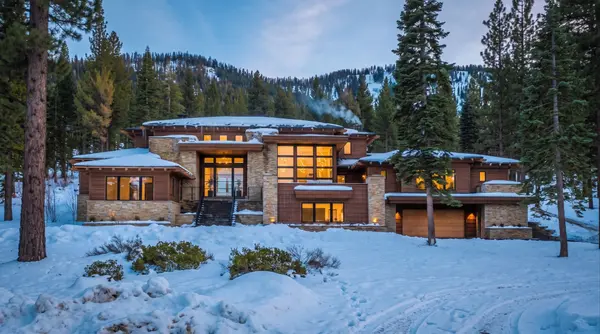
Buying Lakefront on the Nevada Side? Here's How Mooring Buoy Permits Actually Work
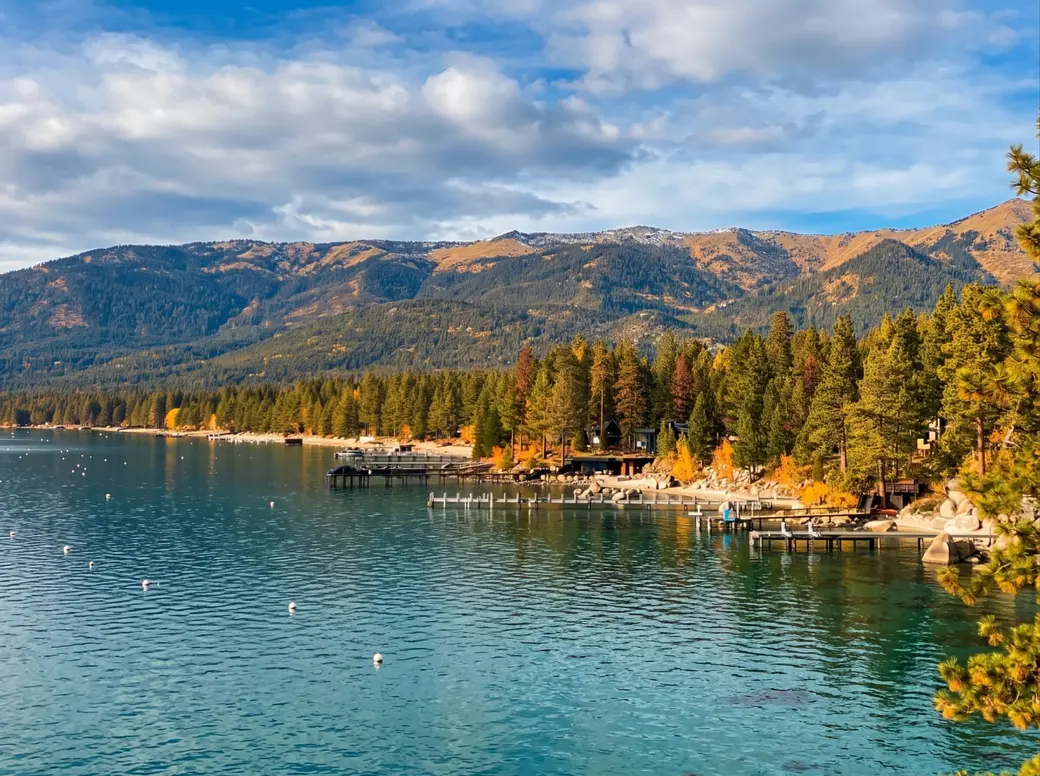
Nevada Tahoe Lakefront Buyer Guide
Buying Lakefront on the Nevada Side? Here's How Mooring Buoy Permits Actually Work
Private boat mooring can be one of the most valuable features of a Nevada Lake Tahoe property. Here's how to verify the permit, registration, transfer, and shoreline rights before you close.
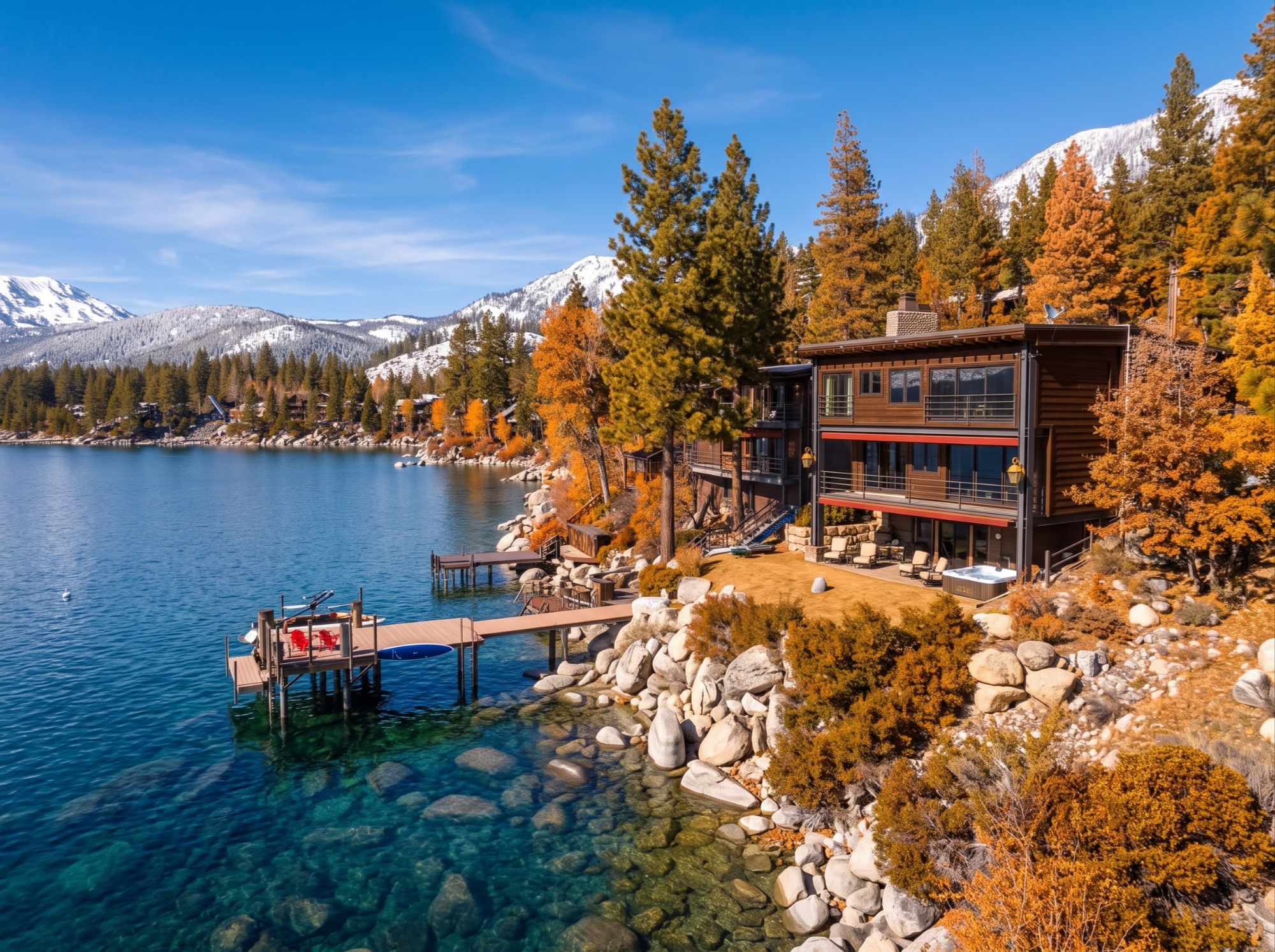
For buyers drawn to a Nevada lakefront home, including many relocating from California, Washington, and other high-tax states, private boat mooring can be one of the biggest attractions.
It is also one of the most misunderstood parts of buying lakefront property.
A common assumption is that owning the shoreline automatically gives you the right to use any buoy sitting in front of the property. It does not quite work that way.
The good news is that once you understand the permit, registration, transfer, and state-land pieces, buoy due diligence is usually very manageable.
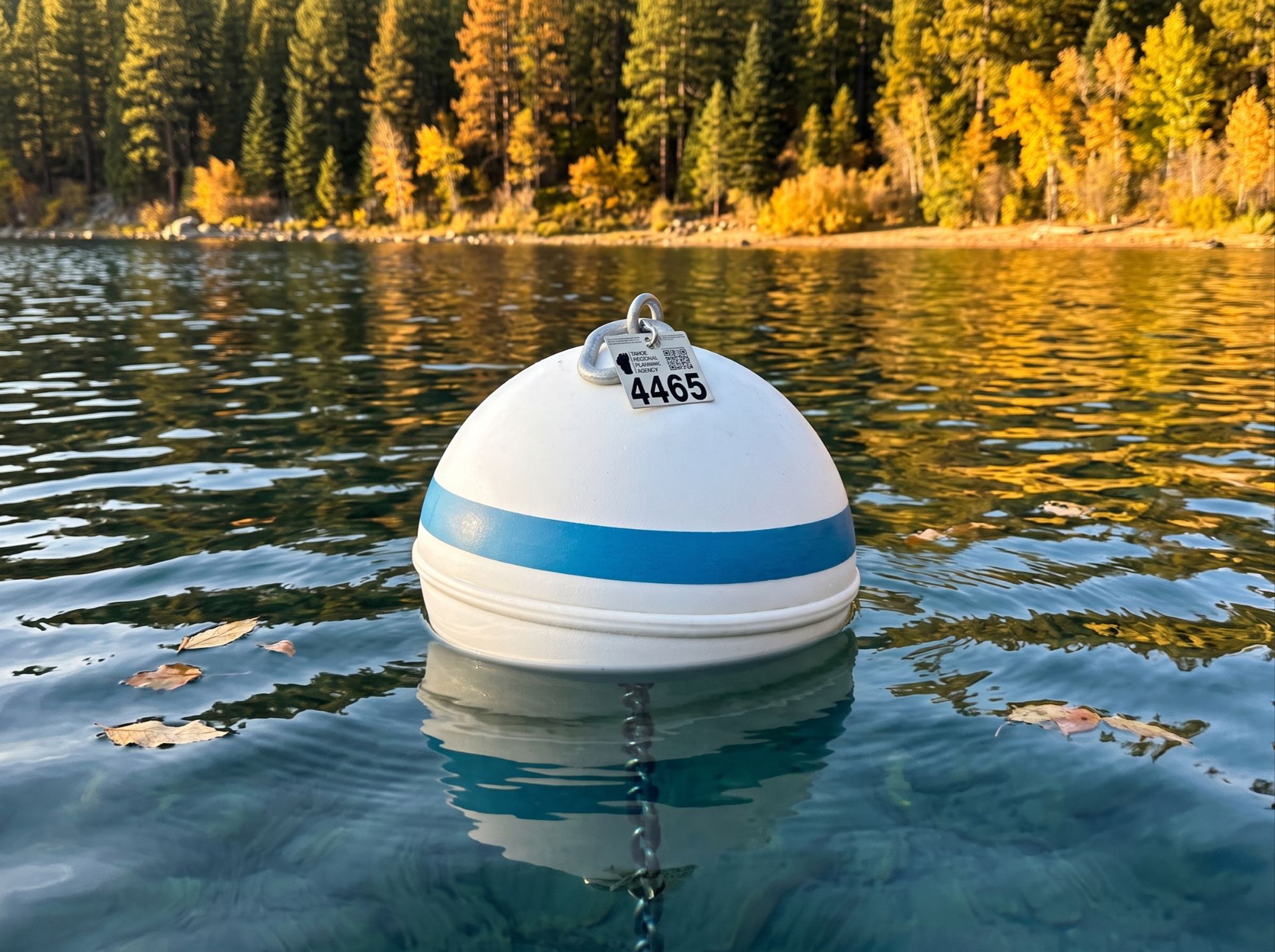
A Private Buoy at a Glance
Does a Mooring Buoy Automatically Come With the House?
Not automatically.
But this is usually something that can be confirmed and coordinated during escrow rather than a reason to walk away from an otherwise strong lakefront property.
According to the source, a legitimate private buoy can involve up to three separate pieces that should all be in good standing and properly transferred to the new owner.
Valid TRPA Mooring Permit
Confirm that an official TRPA mooring permit exists for the specific buoy and parcel.
The buoy should also have a current annual registration decal.
Formal Transfer to the Buyer
Buoy ownership or registration does not simply update itself because the home changes hands.
The source explains that the permit needs to be formally transferred through TRPA's registration process so the records reflect the new owner.
Nevada State Lands Authorization
If the buoy sits on state-owned submerged land, which the source says is common, confirm the applicable Nevada Division of State Lands authorization for that location and its transfer or assignment to the new owner.
Verify All Three During Escrow
A knowledgeable real estate agent, title company, and escrow team can help confirm the buoy's TRPA permit, current registration, and any applicable Nevada Division of State Lands authorization before closing.
Checking early is much easier than trying to correct missing paperwork after you own the property.
Considering Nevada for the Tax Advantages Too?
If your lakefront purchase is also part of a move from California, Washington, or another higher-tax state, estimate your potential Nevada tax savings while comparing the total cost of lakefront ownership.
Use the NV Tax Savings Calculator
What If the Buoy Was Never Properly Permitted?
Occasionally, a lakefront property may have a mooring that was never formally registered or permitted.
TRPA refers to these as unauthorized moorings and actively monitors the lake.
According to the source, enforcement can include fines or required removal.
An Unpermitted Buoy Is Not Automatically a Dealbreaker
If the property has an existing unauthorized mooring, determine early whether that location might qualify for a legitimate future permit.
The source explains that TRPA operates an annual mooring allocation lottery for a limited number of new permits, opening October 1.
That does not guarantee approval, but it can provide a path for buyers hoping to establish a legal mooring where one does not currently exist.
Pro Tip: Check the Permit Before Your Contingency Period Ends
Ask your agent to confirm the buoy's TRPA permit number and registration status while you are still under contract.
If there is a problem, it is easier to negotiate a solution, credit, removal, or permitting plan before closing than afterward.
Where Does Your Private Property Actually End at the Water?
This is one of the shoreline details that surprises many buyers.
According to the source, the boundary between deeded private property and state-owned lakebed on the Nevada side of Lake Tahoe is established at an elevation of 6,223 feet.
That is different from Lake Tahoe's maximum operating elevation of 6,229.1 feet.
In practical terms, the visible water's edge on a particular day is not necessarily the same thing as your legal property boundary.
Two Tahoe Elevations Buyers Should Not Confuse
The Waterline Is Not Your Survey Line
Lake levels rise and fall, so buyers should not rely on the day's visible shoreline to determine what land belongs to the property.
Confirm shoreline boundaries with the title company, appropriate public records, and qualified professionals during due diligence.
Planning to Make Nevada Your Primary Residence?
Lakefront entitlements are only one part of a broader California-to-Nevada or Washington-to-Nevada transition. Use The 2026 NV Residency Guide to understand the practical steps involved in establishing your Nevada life.
Explore The 2026 NV Residency Guide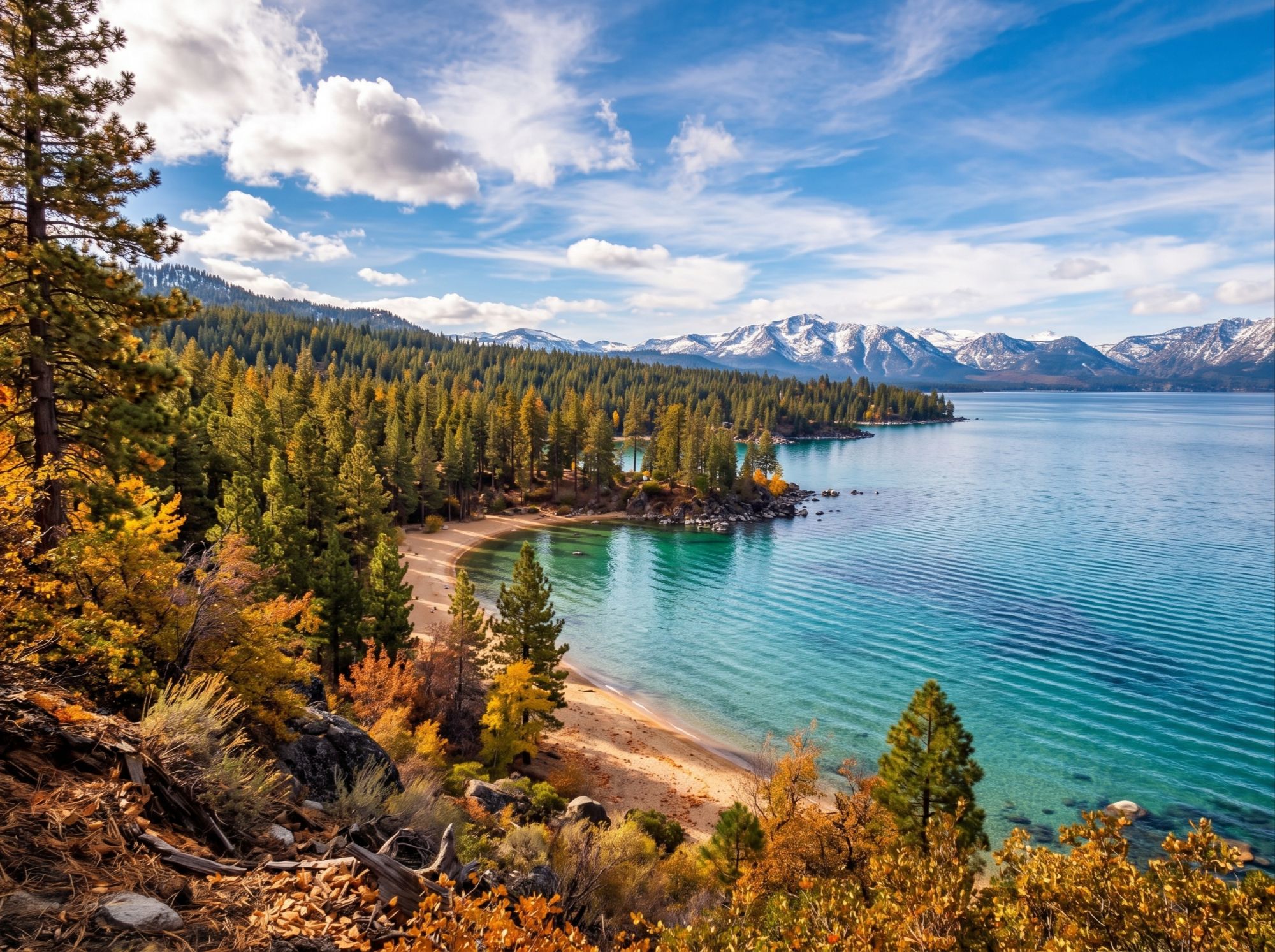
A Simple Lakefront Escrow Checklist
The safest approach is to treat the buoy like any other important property entitlement: document it before closing.
| Requirement | What to Verify During Your Contingency Period | Authority |
|---|---|---|
| TRPA Buoy Permit | Confirm an official TRPA permit on file that matches the property and applicable parcel information. | Tahoe Regional Planning Agency |
| Buoy Registration Decal | Confirm a current annual registration decal is associated with and physically affixed to the buoy. | Tahoe Regional Planning Agency |
| Permit Transfer | Confirm the required transfer or registration process is completed so the buoy records reflect the new owner. | Tahoe Regional Planning Agency |
| Submerged-Land Authorization | Where applicable, confirm a current Nevada Division of State Lands authorization for the buoy's location on state-owned submerged land. | Nevada Division of State Lands |
| Shoreline Boundary | Confirm where deeded private property ends and state-owned submerged land begins. | Title Company / Appropriate Public Records |
Nevada Tahoe Buoy Due-Diligence Checklist
- Ask for the buoy's TRPA permit number.
- Confirm the permit corresponds to the correct parcel.
- Verify the current annual registration decal.
- Confirm the required TRPA transfer process for the new owner.
- Determine whether Nevada Division of State Lands authorization applies.
- Verify that any required state-land authorization is current.
- Confirm the property's shoreline boundary rather than relying on the visible waterline.
- Investigate any existing buoy that does not appear in the appropriate permit records.
- If there is no permitted buoy, determine whether the property may qualify for a future mooring allocation.
- Resolve missing paperwork before the contingency period ends whenever possible.
Build a More Deliberate Nevada Transition
If your lakefront purchase will become part of your Nevada residency strategy, use the NV Residency Guide - Safe Harbor Checklist to organize relocation documentation and practical post-closing steps alongside your property due diligence.
Get the Safe Harbor Checklist
The Takeaway
Private mooring rights can be one of the most valuable features of a Nevada Lake Tahoe property.
They are also one of the easier shoreline entitlements to investigate when the right questions are asked early.
Before you close, verify the TRPA permit, current registration, formal transfer process, and, where applicable, the Nevada Division of State Lands authorization.
None of that should slow down a strong lakefront purchase. It simply means documenting exactly what comes with the property.
Let's Verify Your Shoreline Entitlements
Tahoe Tony has more than 28 years of experience with lakefront property across Incline Village, Crystal Bay, Glenbrook, Zephyr Cove, and the Nevada side of Lake Tahoe.
Before you make an offer, he can help coordinate verification of buoy registrations, pier permits, shoreline boundaries, and other property-specific lakefront entitlements with the appropriate agencies and professionals.
Audit a Property's Shoreline RightsThis article is for general informational purposes only and does not constitute legal, title, surveying, permitting, environmental, shoreline, tax, financial, or real estate advice. TRPA mooring permit requirements, annual registrations, transfer procedures, allocation programs, lottery dates, Nevada Division of State Lands requirements, shoreline boundaries, lake elevations, agency fees, enforcement procedures, and state-land authorizations can change and may vary by property. Buyers should independently verify property-specific buoy permits, registrations, shoreline boundaries, submerged-land authorizations, title matters, and transfer requirements with TRPA, the Nevada Division of State Lands, their title company, attorneys, surveyors, and other qualified professionals before removing contingencies. Nevada residency and tax matters should be reviewed with a qualified CPA or tax attorney. Tony Tuoto is a licensed real estate broker, not a TRPA official, surveyor, attorney, title officer, or Nevada Division of State Lands official.
Nevada Tahoe Mooring Buoy FAQ
Frequently Asked Questions
Common questions Nevada lakefront buyers ask about private mooring permits, annual registrations, permit transfers, submerged land, shoreline boundaries, and unpermitted buoys.
Does a private buoy automatically come with a Lake Tahoe home? +
No. According to the source, a private buoy's TRPA permit and registration need to be confirmed and formally transferred to the new owner. If the buoy occupies state-owned submerged land, the applicable Nevada Division of State Lands authorization should also be addressed.
What should I verify for a legal private mooring buoy? +
Confirm a valid TRPA mooring permit associated with the specific buoy and property, a current annual registration decal, the required ownership transfer, and any applicable Nevada Division of State Lands authorization.
Does a TRPA buoy permit automatically transfer when I buy the home? +
No. The source states that the transfer is not automatic. The registration process needs to be completed so TRPA's records reflect the new owner.
Why does Nevada Division of State Lands matter for a buoy? +
A buoy may sit on state-owned submerged land. When it does, the applicable Nevada Division of State Lands authorization for that location needs to be confirmed in addition to TRPA's mooring requirements.
What happens if a Lake Tahoe buoy was never properly permitted? +
TRPA may treat it as an unauthorized mooring. According to the source, enforcement can include fines or required removal. Buyers should investigate the issue before the contingency period ends.
Can I get a new buoy permit if the property does not already have one? +
Possibly. The source states that TRPA operates an annual mooring allocation lottery for a limited number of new permits, opening October 1. Eligibility and approval should be confirmed directly with TRPA for the specific property.
Where does private property end on the Nevada shoreline of Lake Tahoe? +
The source identifies 6,223 feet in elevation as the boundary between deeded private property and state-owned lakebed on the Nevada side. Buyers should confirm the exact property-specific shoreline boundary through appropriate title and legal records.
Is the 6,223-foot boundary the same as Lake Tahoe's maximum operating level? +
No. The source distinguishes the 6,223-foot Nevada private-property boundary from Lake Tahoe's maximum operating elevation of 6,229.1 feet. The visible waterline can therefore differ from the legal property boundary.
What should I check during escrow if a property has a buoy? +
Verify the TRPA buoy permit, current registration decal, formal transfer process, any applicable Nevada Division of State Lands authorization, and the property's shoreline boundary before your contingencies expire.
What should I do before buying a Nevada Lake Tahoe lakefront property? +
Confirm the property's mooring permits, annual buoy registration, state-land authorization where applicable, shoreline boundaries, and any other important shoreline entitlements before closing.
If your lakefront purchase is also part of a Nevada relocation, review the 2026 NV Residency Guide and the Safe Harbor Checklist .
Categories
Recent Posts