Protecting Your Lake View the Right Way
Nevada Tahoe Tree & View Guide
Protecting Your Lake View the Right Way: A Simple Guide to TRPA Tree Rules at Lake Tahoe
Buying a Nevada Tahoe home for the view? Understand what you can prune, when TRPA approval is needed, and how lakefront, wildfire, and hazard-tree rules can affect the property's real view potential.
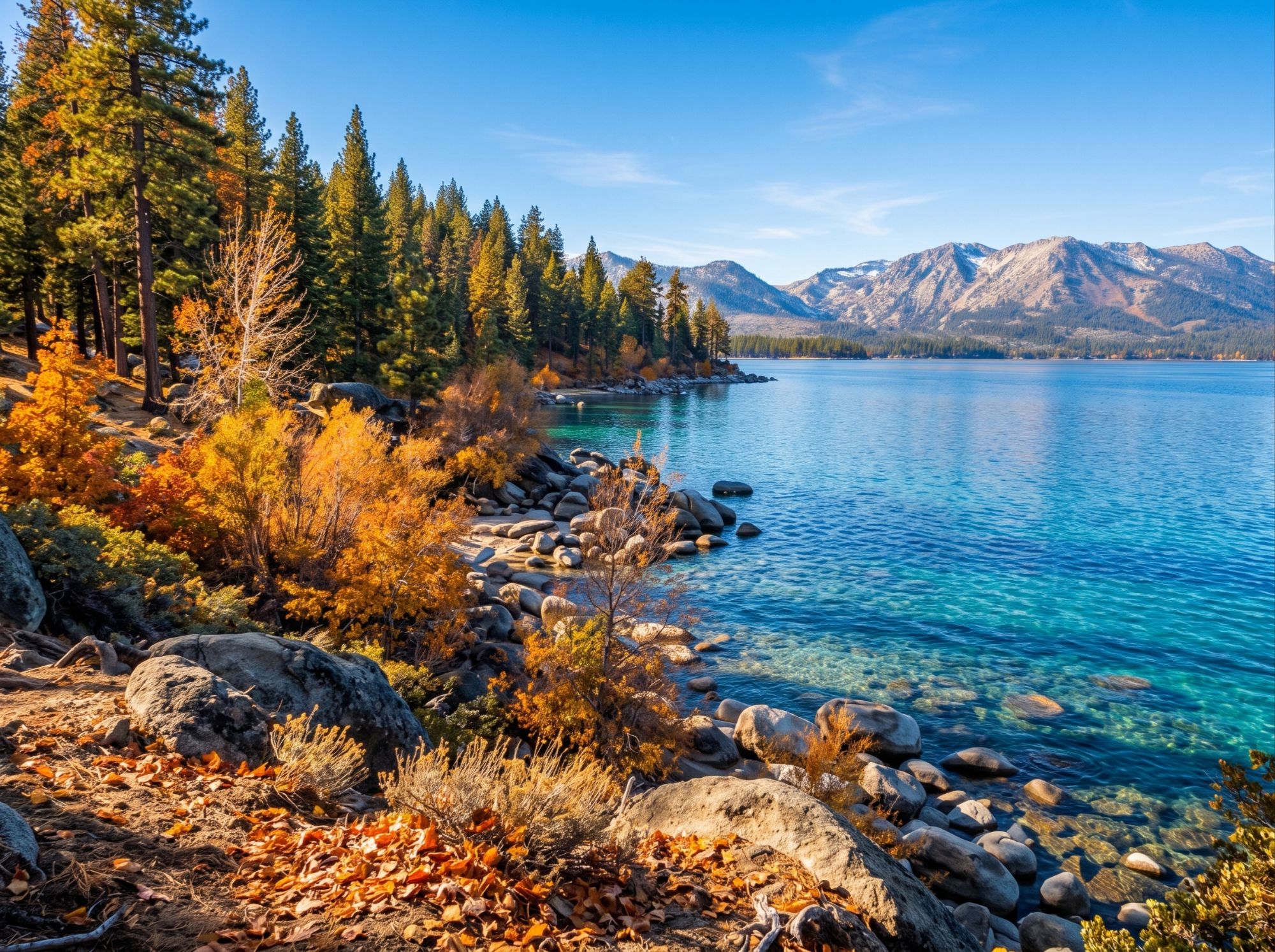
The towering Jeffrey pines, Ponderosa pines, White firs, and Incense cedars around Lake Tahoe are part of what makes the basin so special.
They are also part of the reason buyers from California, Washington, and other high-tax states fall in love with Nevada Tahoe properties the moment they arrive.
Once you own a piece of that forest, however, an important question comes up quickly: What can you actually do with the trees on your property?
TRPA protects trees throughout the Lake Tahoe Basin, but the rules are more workable than many buyers expect. There are meaningful allowances for pruning, defensible space, hazard removal, and certain work near the home.
TRPA Tree Rules at a Glance
Can I Cut Down a Tree to Open Up My Lake View?
Not simply because you want a better view.
According to the source, TRPA does not allow a healthy tree to be removed purely for view enhancement.
But that does not mean homeowners are unable to improve a view corridor at all.
Several kinds of pruning may be allowed without a TRPA permit in most cases.
Lower-Canopy Pruning
Branches in the lower one-third of a healthy tree's total height may generally be removed without a TRPA permit, provided the work also complies with applicable fire-district defensible-space requirements.
Branches Near the Home
Branches within 10 feet of a chimney, building, or deck may generally be removed without a permit, regardless of their height on the tree.
Dead Branches
Dead limbs may be removed without a permit at any height.
What About "Windowing" a Tree for a Better View?
Selectively thinning interior branches higher in the canopy is sometimes called windowing.
According to the source, this type of work often reaches into the upper two-thirds of the tree, where TRPA review is typically required.
The safest approach is to have a professional tree company or qualified arborist review the specific tree before cutting.
Considering Nevada for More Than the View?
If Nevada's tax structure is also part of your relocation decision, estimate your potential savings while comparing Lake Tahoe properties, carrying costs, and long-term ownership.
Use the NV Tax Savings Calculator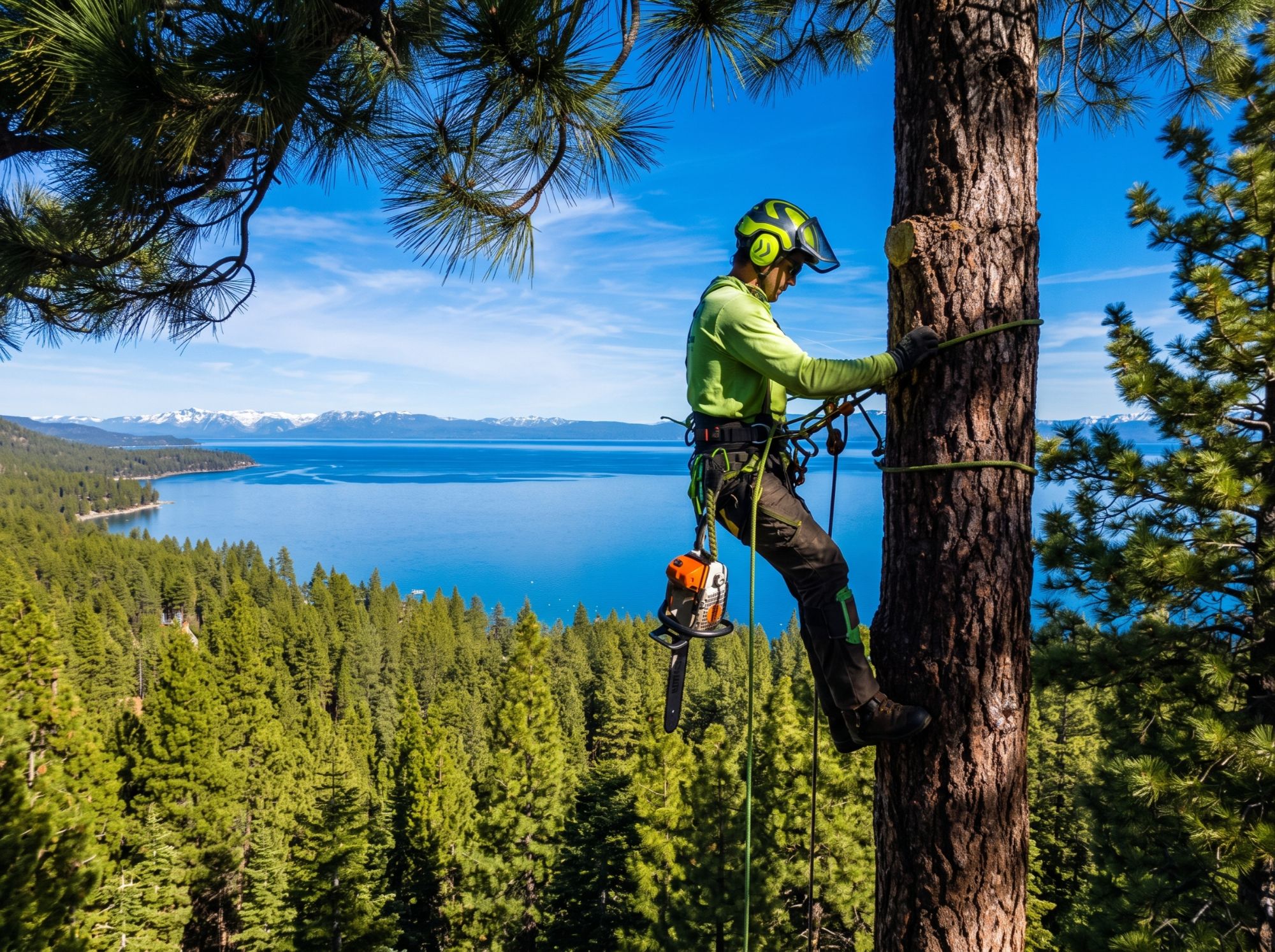
When Do I Actually Need a TRPA Tree Removal Permit?
This is where the location of the tree becomes extremely important.
The standard permit threshold identified in the source is based on Diameter at Breast Height, or DBH, measured approximately 4.5 feet above the ground.
| Tree Location | Permit Generally Needed If... | No Permit Generally Needed If... |
|---|---|---|
| Most Locations on the Property | A live tree measures 14 inches DBH or greater. | A live tree is under 14 inches DBH, or the tree is dead, subject to applicable rules. |
| Between a Lakefront Home and the Lake | A live tree measures 6 inches DBH or greater. | A live tree is under 6 inches DBH, subject to other applicable shoreline rules. |
| Stream Environment Zone or Lakeshore Backshore | Removal of live vegetation may require TRPA review regardless of the normal DBH thresholds. | Do not assume an exemption applies. Check with a TRPA forester before removing live vegetation. |
Lakefront Buyers: Do Not Assume the 14-Inch Rule Applies
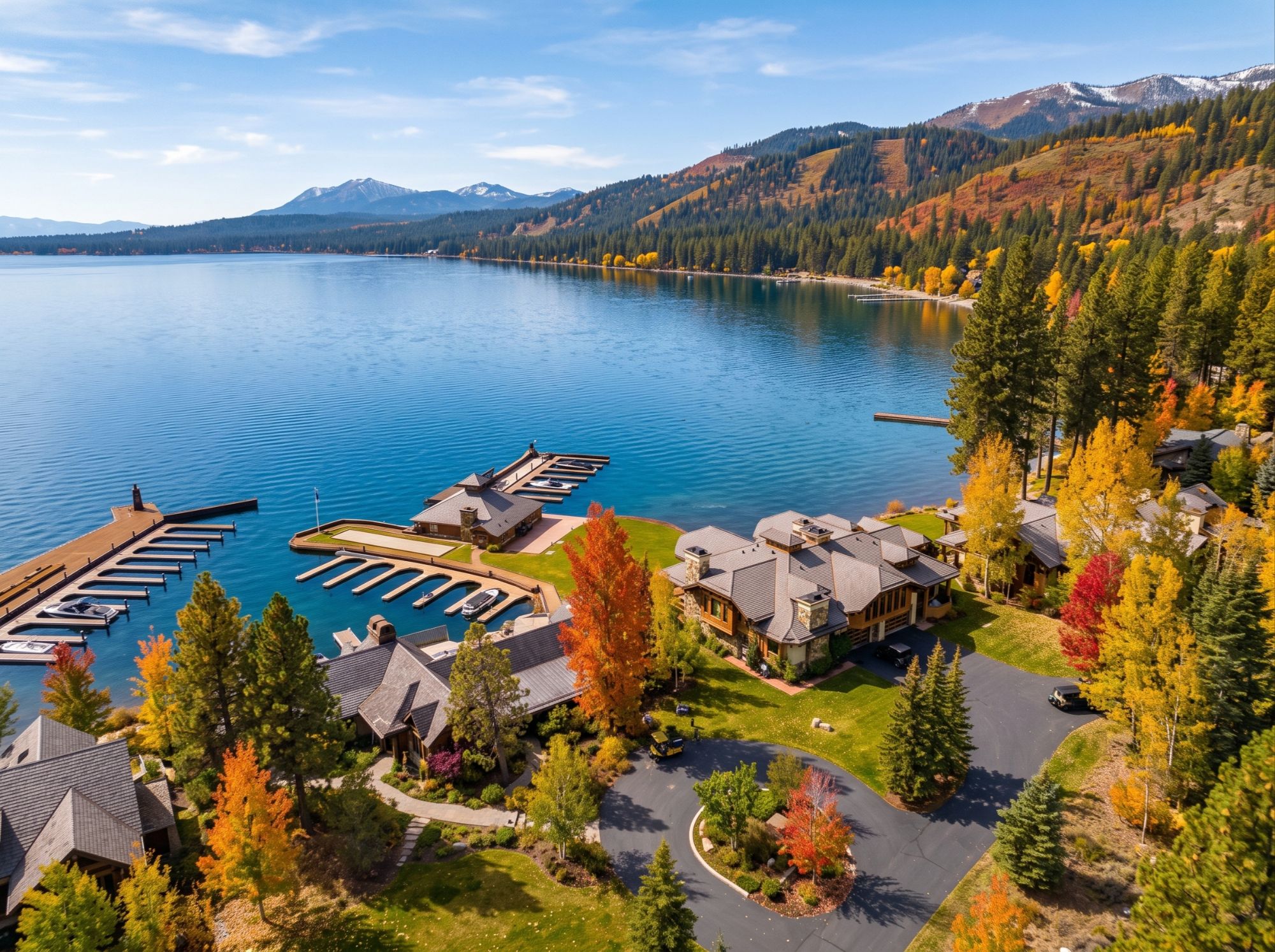
If you are evaluating a property specifically because of its lake-view potential, the trees located between the house and the lake can be subject to the stricter 6-inch DBH threshold.
That difference can materially affect what may or may not be possible after closing.
Evaluate the View Potential Before You Buy
One of the easiest mistakes a buyer can make is purchasing a property assuming several trees can simply be removed later.
If the view corridor is important to your purchase decision, investigate the trees before you write the offer.
Pro Tip: Walk the Lot With an Arborist or Forester
Have a qualified local professional identify which trees are above the relevant DBH thresholds and which pruning options may be available.
A relatively small amount of due diligence before the purchase can help avoid discovering after closing that an important tree cannot be removed as expected.
Planning to Make Nevada Your Primary Residence?
Tree rules and view corridors are only one part of choosing the right Nevada Tahoe property. Use The 2026 NV Residency Guide to understand the broader California-to-Nevada or Washington-to-Nevada transition.
Explore The 2026 NV Residency GuideGood News: Hazard & Fire-Risk Trees Can Be Easier to Address
The tree rules are not designed to prevent owners from addressing genuine safety and wildfire concerns.
According to the source, there are more straightforward paths when a tree is dead, dying, diseased, structurally unstable, or creates a legitimate fire or structural hazard.
Fire District Evaluation
The North Lake Tahoe Fire Protection District serves Incline Village and Crystal Bay, while the Tahoe Douglas Fire Protection District serves applicable Douglas County areas.
Defensible Space Review
The source states that a free defensible-space evaluation can determine whether a tree permit is needed and, in many cases, the evaluator can issue the necessary tree permit as part of the process.
Arborist or Forester Review
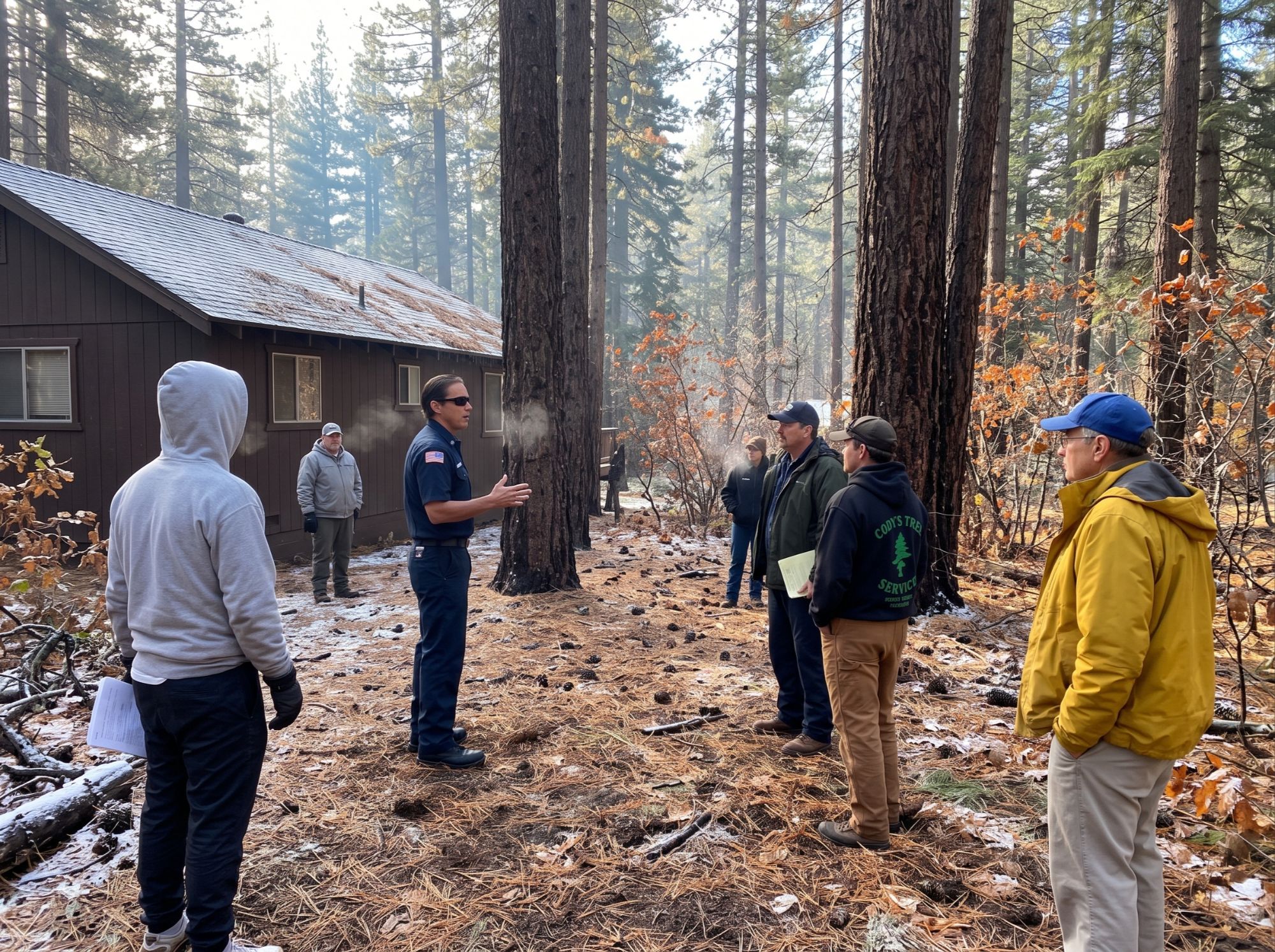
A qualified professional can evaluate a tree that is dead, unstable, diseased, or threatening a structure or driveway and may help support an expedited permit process.
Truly Dead Trees
The source explains that removing a truly dead tree that could fall on a home typically does not require a permit. If there is uncertainty about whether the tree qualifies, obtain professional confirmation first.
What Happens If a Tree Comes Down Without the Required Permit?
TRPA takes unpermitted tree removal seriously.
According to the source, violations can involve civil penalties of up to $5,000, plus up to an additional $5,000 for each day the violation remains unresolved.
The financial penalty may not be the end of the issue.
Replacement Trees
Homeowners may also be required to plant replacement trees as part of resolving an enforcement case.
Property Violation
The source notes that a violation can remain attached to the property, meaning it may continue to matter even after the property changes ownership.
Contractor Verification
Before any cutting begins, verify that the tree company understands the applicable TRPA permitting requirements and has confirmed the work is authorized.
Do Not Rely on "The Tree Guy Said It Was Fine"
If removal requires a permit, make sure the approval is actually in place before work begins.
When the tree affects a valuable lake-view corridor, documenting the work correctly protects both the property and its future resale.
What Should a Buyer Verify Before Making an Offer?
If the home's lake view or future view potential is part of what you're paying for, tree due diligence belongs in the purchase process.
TRPA Tree & View-Corridor Buyer Checklist
- Identify which trees materially affect the home's lake view.
- Measure or have a professional estimate the DBH of important trees.
- Determine whether the standard 14-inch threshold or the stricter lakefront 6-inch threshold applies.
- Confirm whether any trees or vegetation are within a stream environment zone or lakeshore backshore area.
- Ask which branches may qualify for lower-third pruning.
- Identify branches within 10 feet of buildings, decks, or chimneys.
- Have dead, declining, diseased, or hazardous trees evaluated.
- Consider a defensible-space evaluation from the applicable local fire district.
- Verify any existing tree permits or unresolved TRPA violations.
- Do not assign additional value to a possible future view until the proposed tree work has been professionally reviewed.
Build a More Deliberate Nevada Transition
If your Tahoe property will become part of your Nevada residency strategy, use the NV Residency Guide - Safe Harbor Checklist to organize the practical documentation and relocation steps that go along with your purchase.
Get the Safe Harbor Checklist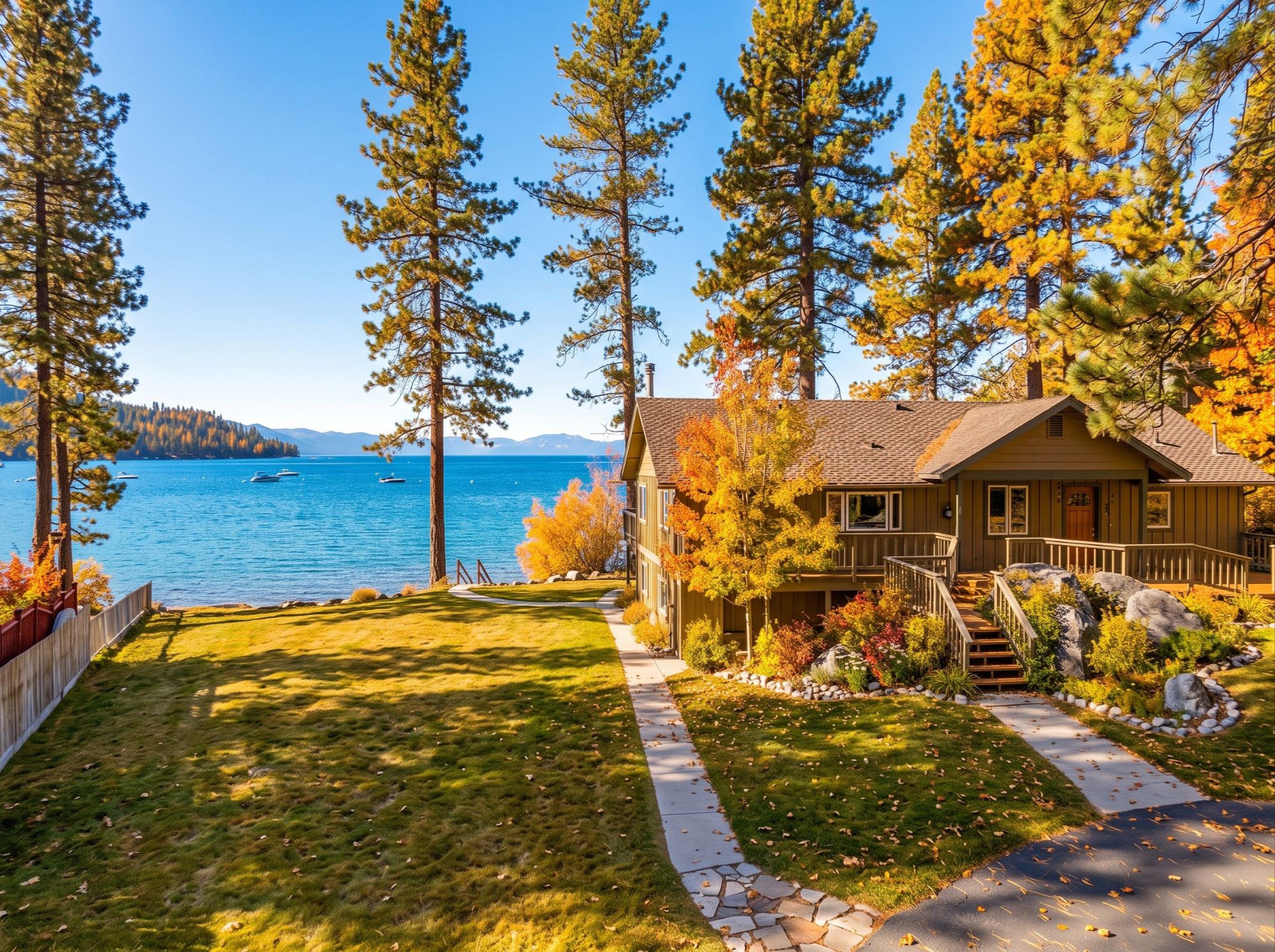
The Takeaway
TRPA's tree rules are not designed to stop homeowners from enjoying their property or maintaining a lake view.
They are designed to balance individual property use with protection of the forest and shoreline environment that make Lake Tahoe valuable in the first place.
Once you understand lower-third pruning, the 10-foot structure allowance, the stricter lakefront DBH threshold, and the more direct paths for hazard and defensible-space trees, there may be more flexibility than you initially expected.
The key is understanding what is allowed before the tree is cut.
Evaluate a Property's View Potential Before You Offer
Tahoe Tony has more than 28 years of experience helping buyers navigate Incline Village, Crystal Bay, Glenbrook, and the Nevada side of Lake Tahoe.
If the view is an important part of your purchase, he can help coordinate the property evaluation with local arborists, foresters, fire-district resources, and other professionals so you understand the real view-corridor potential before you make an offer.
Review Property View CorridorsThis article is for general informational purposes only and does not constitute legal, environmental, forestry, arborist, wildfire-safety, land-use, TRPA, tax, or real estate advice. Tree-removal requirements, pruning allowances, DBH thresholds, stream environment zone rules, lakeshore restrictions, defensible-space standards, permit procedures, enforcement policies, and agency requirements can change and may vary by parcel and project. Buyers and homeowners should independently verify current property-specific requirements with TRPA, the applicable local fire district, and qualified arborists, foresters, contractors, attorneys, and other appropriate professionals before pruning or removing vegetation. Nevada residency and tax matters should be reviewed with a qualified CPA or tax attorney. Tony Tuoto is a licensed real estate broker, not a TRPA official, arborist, forester, fire official, attorney, or CPA.
TRPA Tree & Lake View FAQ
Frequently Asked Questions
Common questions Nevada Tahoe buyers ask about tree removal, pruning, view corridors, DBH thresholds, defensible space, hazard trees, and TRPA permits.
Can I remove a healthy tree just to improve my Lake Tahoe view? +
According to the source, TRPA does not allow a healthy tree to be removed purely for view enhancement. However, certain pruning may be allowed without a permit, and other work may be possible through TRPA review.
What tree pruning can I do without a TRPA permit? +
The source states that homeowners may generally prune branches in the lower one-third of a healthy tree, remove branches within 10 feet of a chimney, building, or deck, and remove dead branches at any height, subject to applicable defensible-space rules.
Does tree "windowing" require TRPA approval? +
Often, yes. Windowing typically involves selectively removing branches higher in the canopy. If the work extends into the upper two-thirds of the tree, the source says TRPA review is generally required.
What size tree requires a TRPA removal permit at Lake Tahoe? +
In most locations, the source identifies a live tree measuring 14 inches or more in Diameter at Breast Height, or DBH, as requiring a permit. DBH is measured about 4.5 feet above the ground.
What is the lakefront tree-removal threshold? +
For certain live trees located between a lakefront home and Lake Tahoe, the source identifies a stricter threshold of 6 inches DBH. Buyers should not assume the standard 14-inch rule applies to their view corridor.
Can I remove trees in a Stream Environment Zone or lakeshore backshore? +
These areas are more restrictive. The source indicates that removal of live vegetation may require TRPA review regardless of the normal DBH threshold. Check with a TRPA forester before doing the work.
Do I need a permit to remove a dead tree? +
The source says truly dead trees, particularly a dead tree that could fall on a home, typically may be removed without a permit. If there is uncertainty about whether a tree qualifies as dead, have it evaluated by a qualified arborist or forester first.
Can local fire districts help with TRPA tree permits? +
Yes. According to the source, the North Lake Tahoe Fire Protection District and Tahoe Douglas Fire Protection District can conduct defensible-space evaluations and, in many cases, issue the needed tree permit as part of that evaluation.
What can happen if I remove a tree without the required permit? +
The source says violations can carry civil penalties of up to $5,000 plus up to an additional $5,000 for each day the violation remains unresolved. Replacement trees may also be required, and the violation can remain associated with the property.
What should I do before buying a Tahoe home for its lake-view potential? +
Have a qualified local arborist or forester walk the property, identify the important view-corridor trees, determine their approximate DBH, and explain which trees or branches may require TRPA review before you rely on future pruning or removal.
If your property purchase is also part of a Nevada relocation, review the 2026 NV Residency Guide and the Safe Harbor Checklist .
Categories
Recent Posts