TRPA, BMP & Land Coverage: What Nevada Tahoe Buyers Need to Know

Nevada Tahoe Buyer Due Diligence
TRPA, BMP & Land Coverage: What Nevada Tahoe Buyers Need to Know
Moving to the Nevada side of Lake Tahoe can come with major lifestyle and tax advantages, but once escrow opens, buyers need to understand TRPA, BMP, IPES, land coverage, and remodeling rules before removing contingencies.
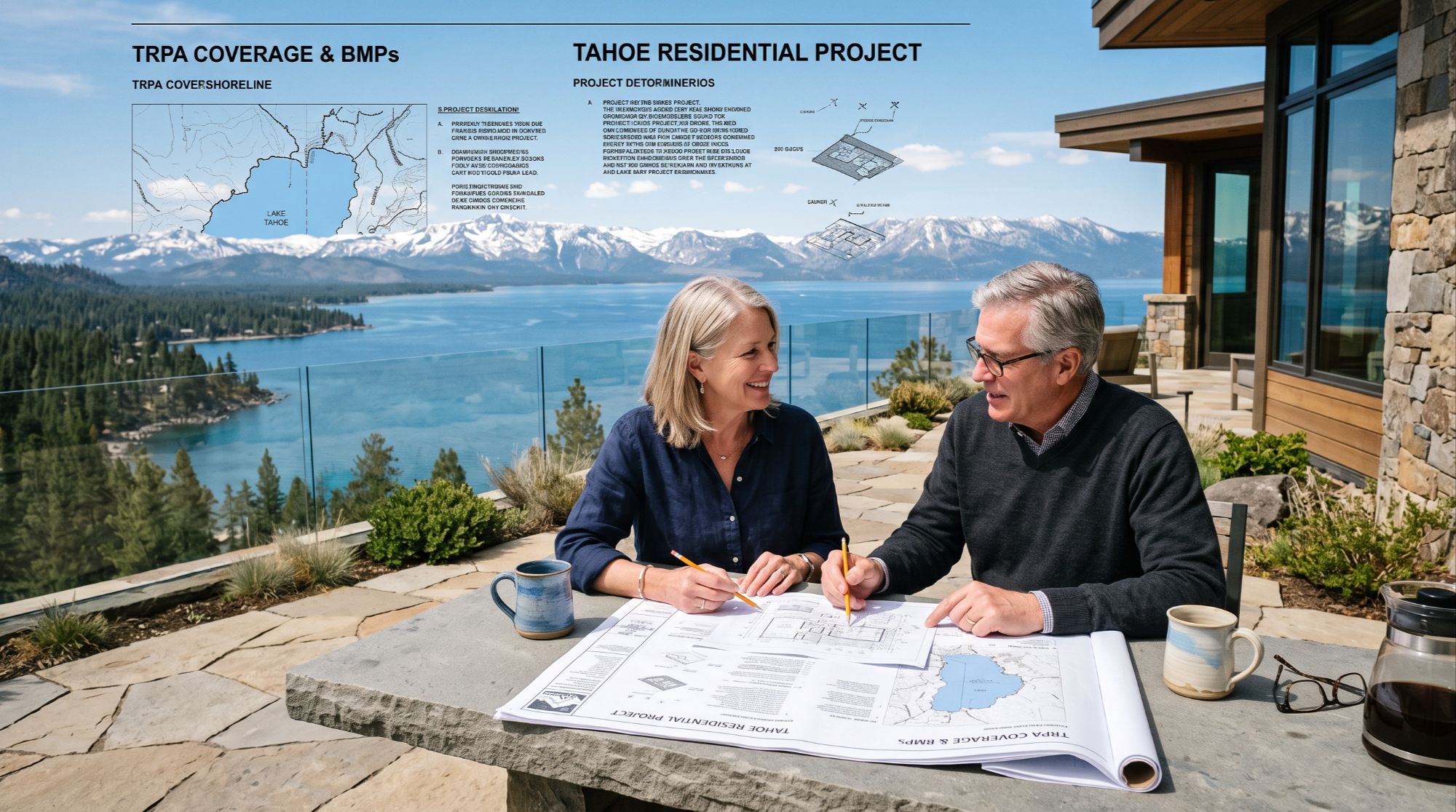
The Nevada side of Lake Tahoe is easy to fall in love with: no state income tax, no state capital gains tax, and a lakefront lifestyle that appeals to California and Washington buyers.
But the moment you open escrow, you may run into a wall of acronyms your out-of-state agent may never have mentioned: TRPA, BMP, IPES, land coverage, and coverage transfers.
These are not cosmetic zoning terms. They can affect whether you can legally close, sell, remodel, expand, or improve a property in the Tahoe Basin.
Why TRPA Matters in Nevada Tahoe Escrow
The Tahoe Regional Planning Agency, or TRPA, is the bi-state agency responsible for environmental oversight in the Lake Tahoe Basin.
For buyers, TRPA issues can show up during escrow through BMP compliance, land coverage limits, grading restrictions, remodel rules, and questions about what can legally be improved after closing.
Buyer Reality Check
A property can look perfect online and still have expensive compliance issues hiding behind the listing photos.
Before you remove contingencies, ask for the BMP status, land coverage information, and any known TRPA-related limitations.
Calculate Your Nevada Tax Savings
Before you compare the regulatory friction, estimate how Nevada’s no-state-income-tax structure may affect your household or investment strategy.
Use the NV Tax Savings Calculator
What Is a BMP Certificate, and Why Is It Mandatory?
BMP stands for Best Management Practices. In the Tahoe Basin, BMPs are stormwater retrofit requirements designed to slow, capture, and filter runoff on-site before it reaches Lake Tahoe.
For developed properties, BMP compliance is a major due-diligence item. A non-compliant property can be exposed to enforcement, fines, escrow delays, or post-closing costs.
Dripline Trenches
Gravel-filled channels beneath roof lines can help manage runoff and reduce erosion around the structure.
Driveway Catch Basins
Grates, dry wells, and drainage systems can collect and filter runoff before it leaves the site.
Paved Parking Areas
Driveways and parking areas may need to be properly paved or improved. Dirt parking pads can create issues.
Pro Tip
Every parcel’s BMP status should be checked directly. Ask for the BMP certificate number and issue date, then verify the parcel status using the property’s APN before you remove contingencies.
Planning a Nevada Move?
If your Tahoe purchase is part of a California-to-Nevada or Washington-to-Nevada relocation plan, start with the 2026 NV Residency Guide.
Explore the 2026 NV Residency Guide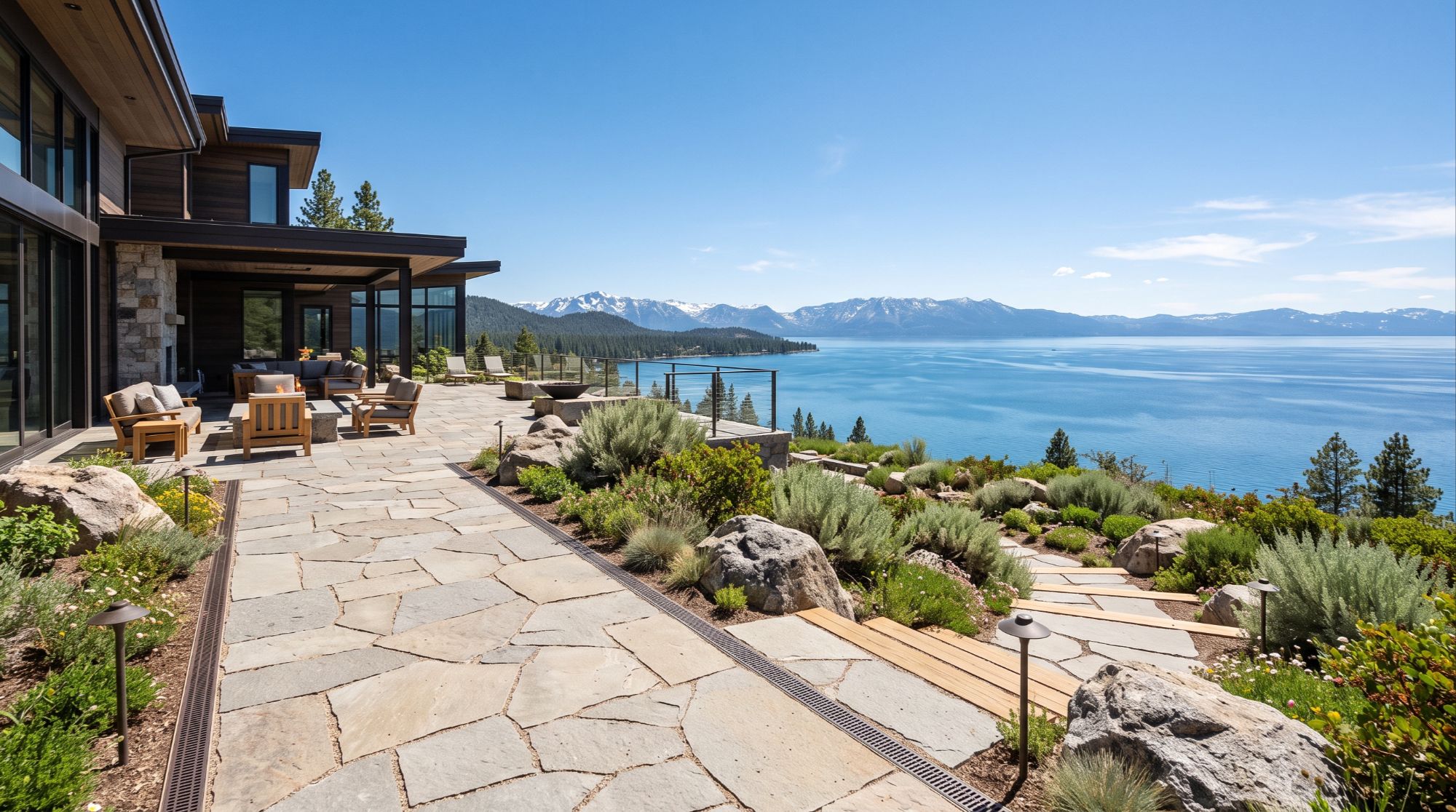
Who Pays for BMP Work During Escrow?
Responsibility is negotiable between buyer and seller. Nevada purchase contracts in the Tahoe Basin can include TRPA-related disclosures that spell out who handles compliance items.
A typical retrofit can run thousands of dollars, and more complex grading, paving, or drainage work can cost significantly more. Buyers should get a written contractor quote during the contingency period.
Timing Can Matter
TRPA’s grading season generally runs May 1 through October 15. Outside that window, soil-disturbing work may be restricted Basin-wide.
If you are in escrow during the off-season, the title company, lender, buyer, and seller may need to address credits, holdbacks, or post-closing completion terms.
Escrow Strategy
Do not rely on a rough estimate or a verbal promise. Ask for documentation, written quotes, and a clear plan for who pays, who completes the work, and what happens if the work cannot be completed before closing.
What Is Land Coverage, and How Does It Limit Remodeling?
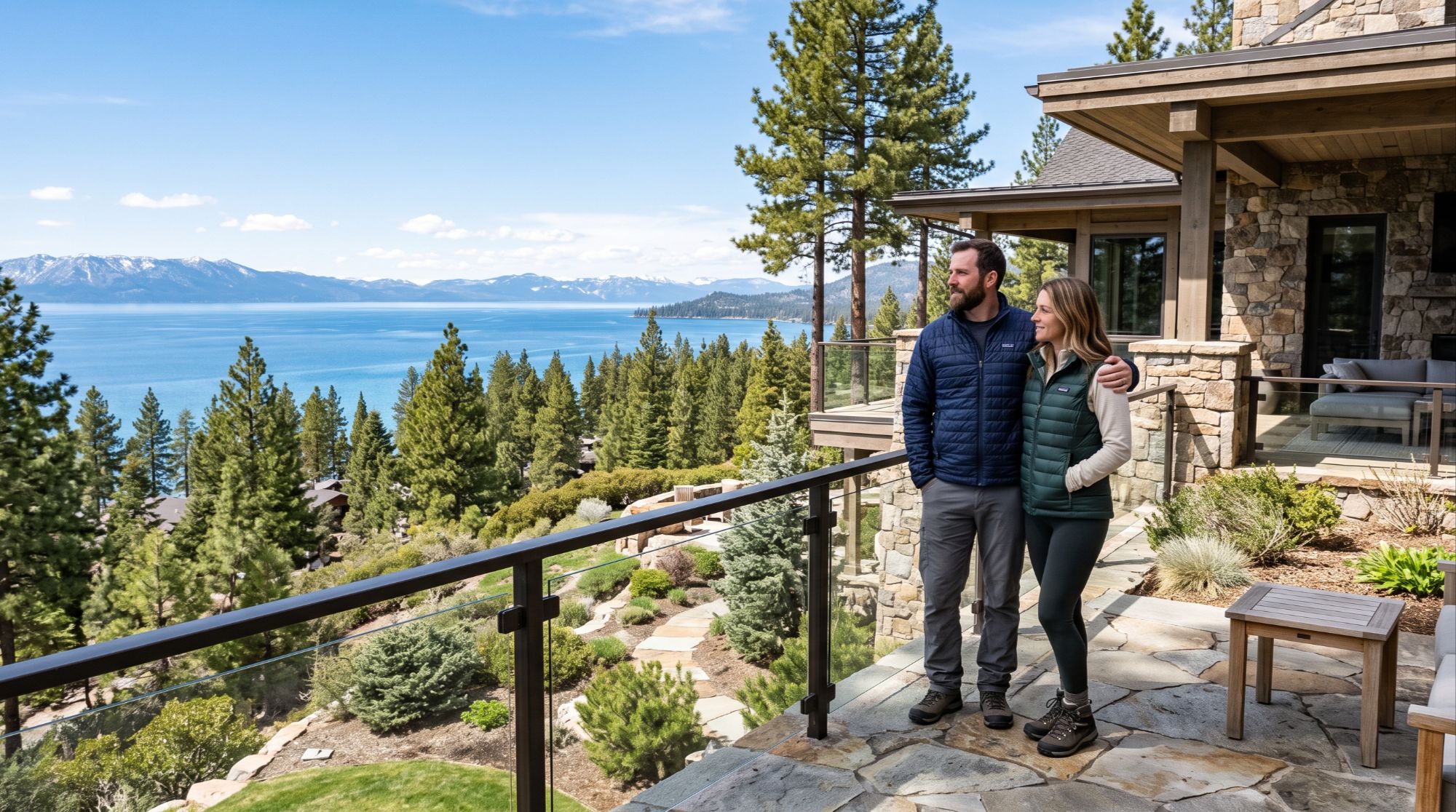
TRPA caps buildout using allowable land coverage, not just lot size. Land coverage generally refers to the maximum square footage of impervious surface permitted on a parcel, such as roofs, driveways, decks, patios, and other hard surfaces.
Every parcel has a land capability classification based on soil and slope. That classification helps determine how much coverage may be allowed.
High-Capability Land
Class 4 through 7 land may allow more hard-surface coverage, depending on the parcel and TRPA rules.
Sensitive Land
Sensitive land and stream environment zones can have far tighter coverage limits and more complicated improvement rules.
Coverage Transfers
If a property is already over coverage or near its cap, a buyer may need mitigation or a coverage transfer before adding improvements.
The Excess-Coverage Trap
If a home already exceeds its allowed coverage, you may not be able to add a garage, expand a deck, or build a guest house without mitigation, coverage transfer, engineering review, or additional TRPA approval.
Always request formal land coverage and land capability information during the contingency period.
Build a Defensible Nevada Residency Move
The Safe Harbor Checklist helps you think through the practical steps that support a cleaner, more strategic Nevada residency transition.
Download the Safe Harbor Checklist
The Tax Upside Still Holds
TRPA rules add real friction, but they do not erase the financial case for the Nevada side of Lake Tahoe.
For many California and Washington buyers, Nevada’s no-state-income-tax environment remains a major part of the long-term ownership strategy.
Plan, Do Not Guess
Treat TRPA, BMP, land coverage, and grading rules as due-diligence items to plan for, not reasons to abandon the move.
The right property, the right contract terms, and the right local professionals can help reduce costly surprises.
Quick TRPA Self-Check Before You Write an Offer
- Pull the BMP certificate status on TRPA’s Parcel Tracker using the APN.
- Request the parcel’s land capability classification.
- Ask whether existing coverage is at, near, or over the cap.
- Closing between October 15 and May 1? Ask how BMP work will be handled during the grading moratorium.
- Loop in a TRPA-experienced engineer or consultant before contingencies expire.
The Bottom Line
Navigating TRPA soil classifications, BMP certificates, land coverage, and remodeling rules is not a job for an agent unfamiliar with the Tahoe Basin.
Tahoe Tony has spent over 28+ years guiding buyers and sellers through complex environmental escrows on the Nevada side of Lake Tahoe, helping protect your earnest money so a regulatory surprise does not become a multi-million-dollar mistake.
Contact Tahoe Tony to Vet Your Property’s TRPA FileThis post is for informational purposes only and does not constitute legal, tax, engineering, permitting, TRPA, environmental, financial, or real estate advice. TRPA rules, BMP requirements, grading windows, land coverage limits, tax laws, and residency rules can change. Tony Tuoto is a real estate broker, not a CPA, tax attorney, engineer, attorney, or TRPA official. Consult qualified tax, legal, engineering, and TRPA professionals before making purchase, remodeling, or residency decisions.
Nevada Tahoe TRPA FAQ
Frequently Asked Questions
These are common questions buyers ask about TRPA rules, BMP certificates, land coverage, escrow timing, and remodeling limits before purchasing on the Nevada side of Lake Tahoe.
What is TRPA, and why does it matter when buying in Nevada Tahoe?+
TRPA stands for the Tahoe Regional Planning Agency. It oversees environmental rules in the Lake Tahoe Basin, including BMP compliance, land coverage, grading restrictions, and remodeling limits. These issues can affect escrow, closing, future improvements, and resale.
What is a BMP certificate?+
A BMP certificate shows that a developed property has completed required Best Management Practices for stormwater runoff control. These improvements help slow, capture, and filter runoff before it reaches Lake Tahoe.
Who pays for BMP work during escrow?+
Responsibility is negotiable between buyer and seller. Buyers should review the contract, TRPA disclosure, BMP status, written contractor estimates, and any escrow holdback or seller credit before removing contingencies.
What is TRPA land coverage?+
Land coverage is the amount of impervious surface allowed on a parcel, including roofs, driveways, decks, patios, and other hard surfaces. TRPA uses land capability classifications to help determine how much coverage may be allowed.
Can land coverage limits stop me from remodeling?+
Yes. If a property is already at, near, or over its allowable coverage, a buyer may not be able to add a garage, expand a deck, or build additional improvements without mitigation, a coverage transfer, engineering review, or TRPA approval.
Why does TRPA grading season matter?+
Soil-disturbing work in the Tahoe Basin is generally restricted outside the grading season. If BMP work or other site improvements are needed during the off-season, buyers and sellers may need to negotiate timing, credits, or escrow holdbacks.
Should I check BMP and land coverage before removing contingencies?+
Yes. Buyers should check BMP certificate status, land capability, existing coverage, potential over-coverage, and improvement limitations before contingencies expire. These items can reveal expensive surprises after escrow opens.
Do TRPA rules erase Nevada’s tax advantages?+
No. TRPA rules add due diligence and planning requirements, but they do not erase Nevada’s broader tax advantages for qualified buyers. Buyers should still coordinate real estate, residency, legal, tax, and TRPA guidance before making decisions.
Estimate potential savings here: NV Tax Savings Calculator.
Categories
Recent Posts