Heated Driveways, Roof Snow & Ice Dams
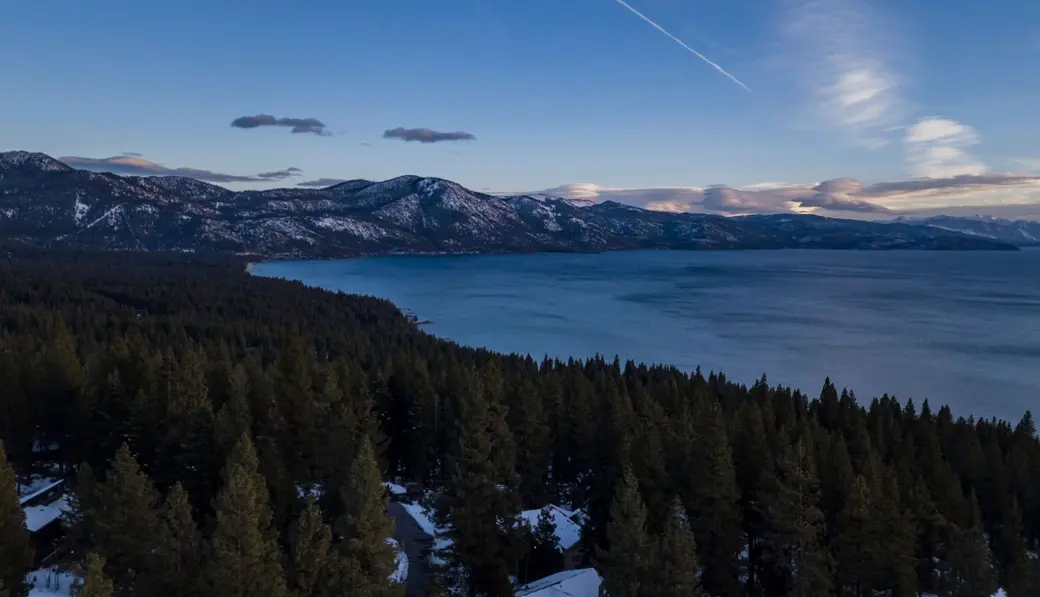
A Quick Guide for Nevada Tahoe Buyers
Heated Driveways, Roof Snow & Ice Dams
Moving to Nevada from California, Washington, or another high-tax state? Nevada's tax advantages may be attractive, but your new Tahoe home still needs to perform through heavy Sierra winters.
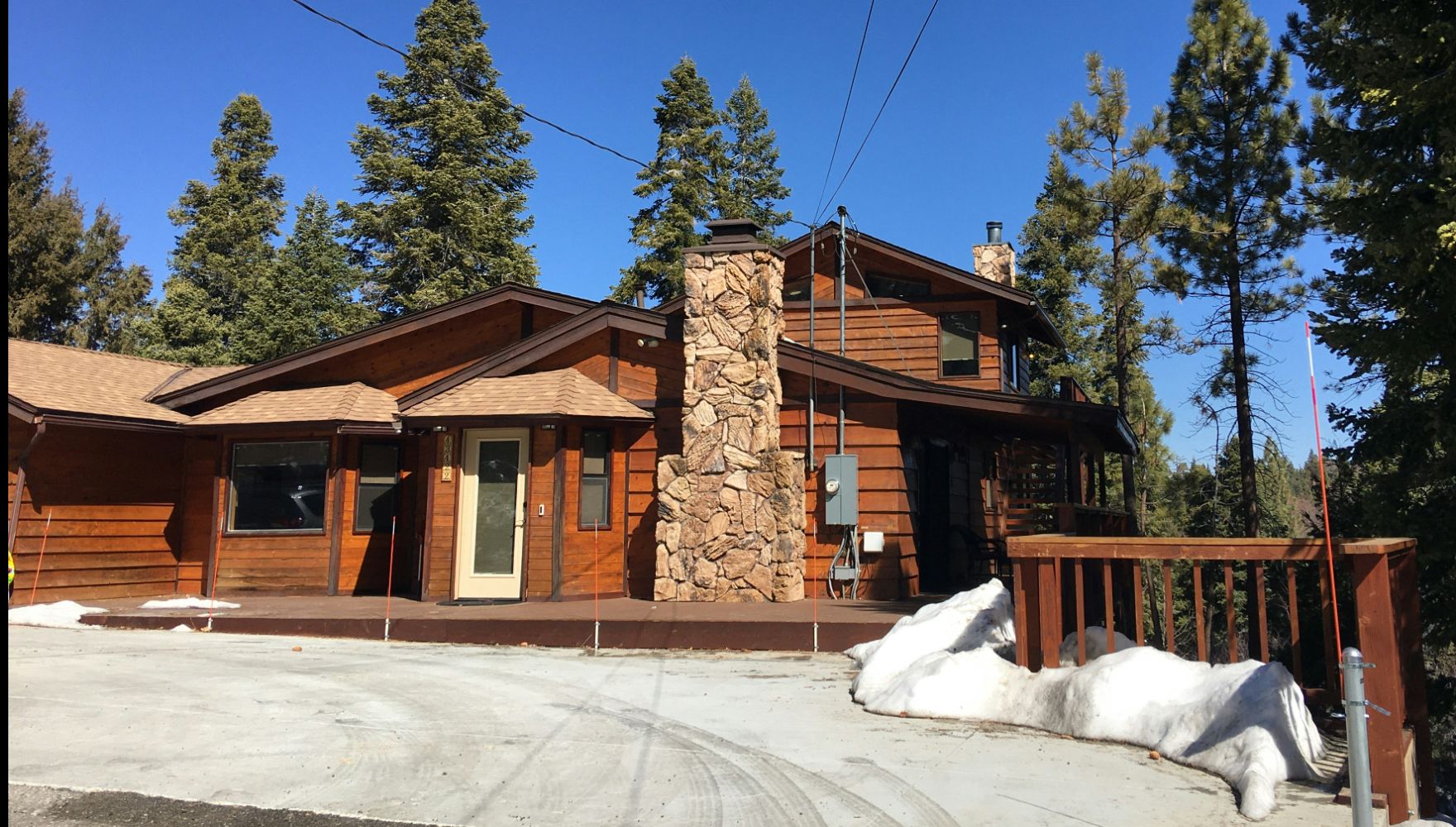
Nevada's lack of an individual state income tax can be a major financial advantage for buyers relocating from California, Washington, or other higher-tax states.
But homes in Incline Village, Crystal Bay, Glenbrook, and Zephyr Cove still need to handle heavy, wet Sierra snow.
Before you buy, three winter systems deserve particular attention: where the roof sheds snow, how the driveway is cleared, and whether the roof is vulnerable to ice dams.
1. Roof Snow Dumps
A roof snow dump happens when a heavy slab of accumulated snow suddenly releases from the roof at once.
The source notes that this can involve thousands of pounds of snow, so the direction of the roof pitch matters much more in Tahoe than many relocating buyers expect.
Over the Driveway
Snow releasing toward a driveway or garage can bury a parked vehicle or temporarily block access to the garage.
Over Entries
Roof slopes positioned over front doors, stairs, or walkways can create a safety hazard when accumulated snow releases suddenly.
Over Utilities
Falling snow can potentially damage exposed gas meters, air conditioning equipment, propane lines, or other equipment positioned directly below the roof edge.
What to Look for During a Property Tour
Look for roof sections that pitch away from important driveways and entries, along with features such as snow guards, snow splitters, or heated roof valleys.
A beautiful roofline can perform very differently in February than it appears during a summer showing.
Calculate Your Potential Nevada Tax Savings
If Nevada's tax structure is one reason you are considering a Tahoe move, estimate your potential savings while also accounting for the winter operating and maintenance costs of the home.
Use the NV Tax Savings Calculator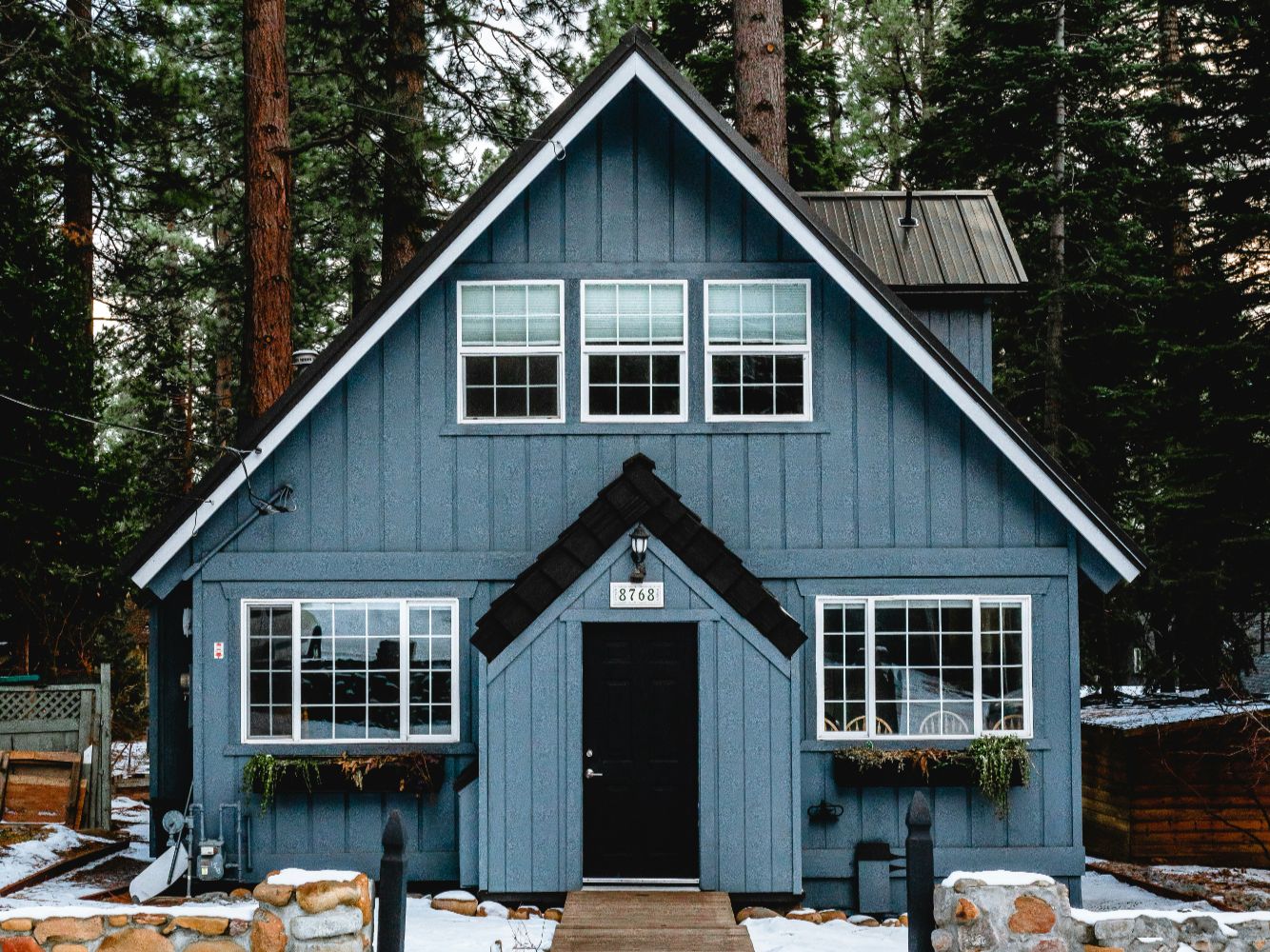
2. Heated Driveways
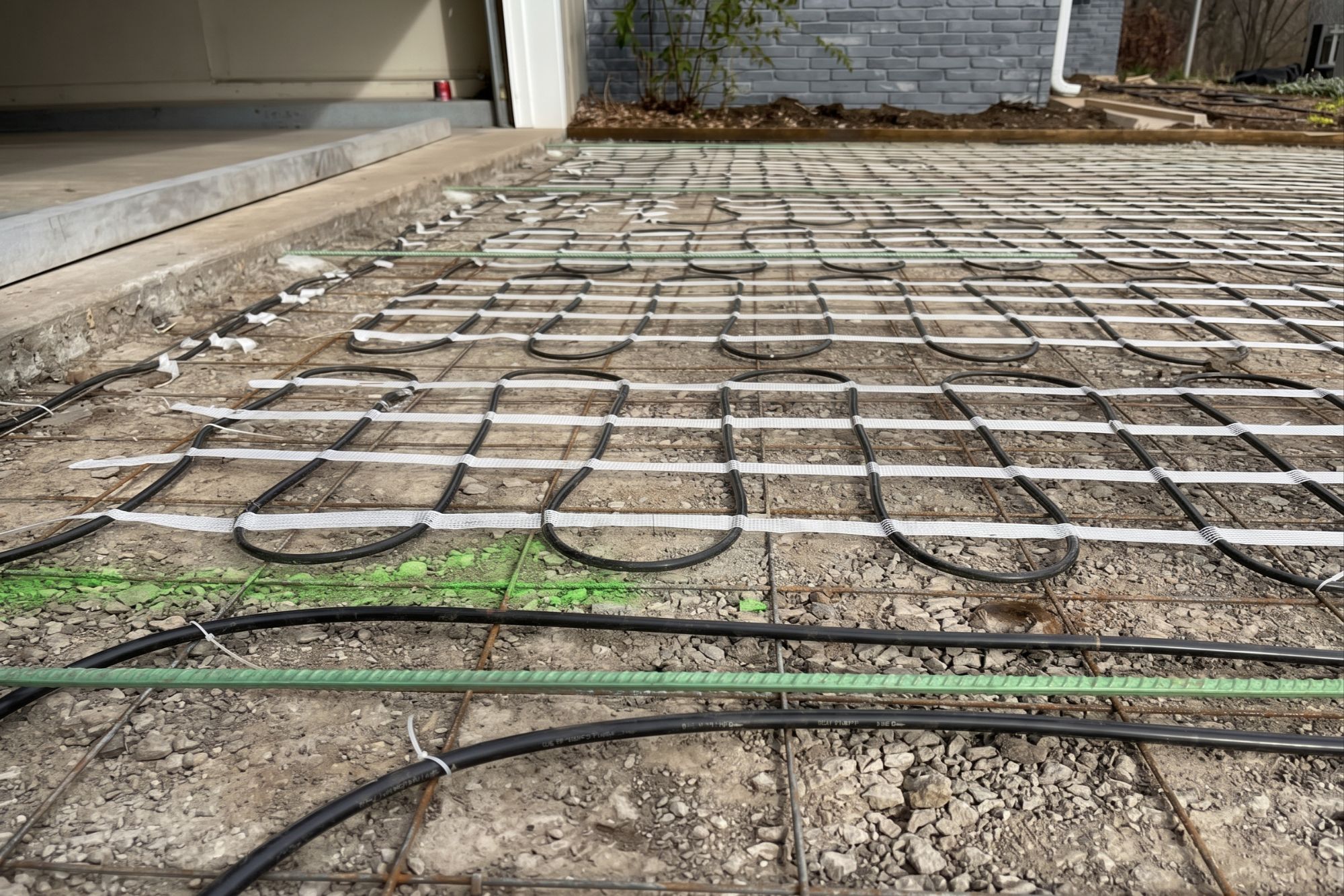
A heated driveway uses an embedded snow-melt system to melt snow as it falls, reducing or eliminating the need for routine shoveling or plowing.
The source identifies two common approaches: hydronic systems and electric radiant systems.
| Feature | Hydronic | Electric |
|---|---|---|
| How It Works | Heated water/glycol circulates through embedded tubing, typically powered by a boiler. | Electric heating cables are installed beneath the driveway surface. |
| Approx. Installation Cost | The source estimates roughly $12 to $28 per square foot, with some paver installations potentially higher. | The source estimates roughly $12 to $25 per square foot. |
| Approx. Operating Cost | The source estimates roughly $3 to $8 per hour, depending on system size and fuel cost. | The source estimates roughly $8 to $15+ per hour, depending on system size and electricity rates. |
| Often Best Suited For | Larger driveway areas where lower long-term operating cost may matter more. | Smaller areas or projects where a simpler installation may be desirable. |
Costs Are Property-Specific
Installation and operating costs depend on driveway size, paving material, fuel source, utility rates, system design, elevation, and how often the system runs.
Get a site-specific quote before relying on general cost estimates.
Heated Driveway vs. Snow-Plow Contract
Both approaches can work. They simply solve the problem differently.
Heated Driveway
Requires a larger upfront investment but can continuously melt snow instead of waiting for accumulation. The system may also be extended to stairs, walkways, or decks.
Protecting Specialty Surfaces
A snow-melt system avoids direct plow contact with pavers, stamped concrete, and other finished surfaces that an owner may want to protect.
Snow-Plow Contract
Usually costs less initially, but snow must accumulate before the plow arrives and the owner continues paying for seasonal service.
Planning to Make Nevada Your Primary Residence?
Winter systems are only one piece of a California-to-Nevada or Washington-to-Nevada move. Use The 2026 NV Residency Guide to understand the broader practical transition.
Explore The 2026 NV Residency Guide3. Ice Dams
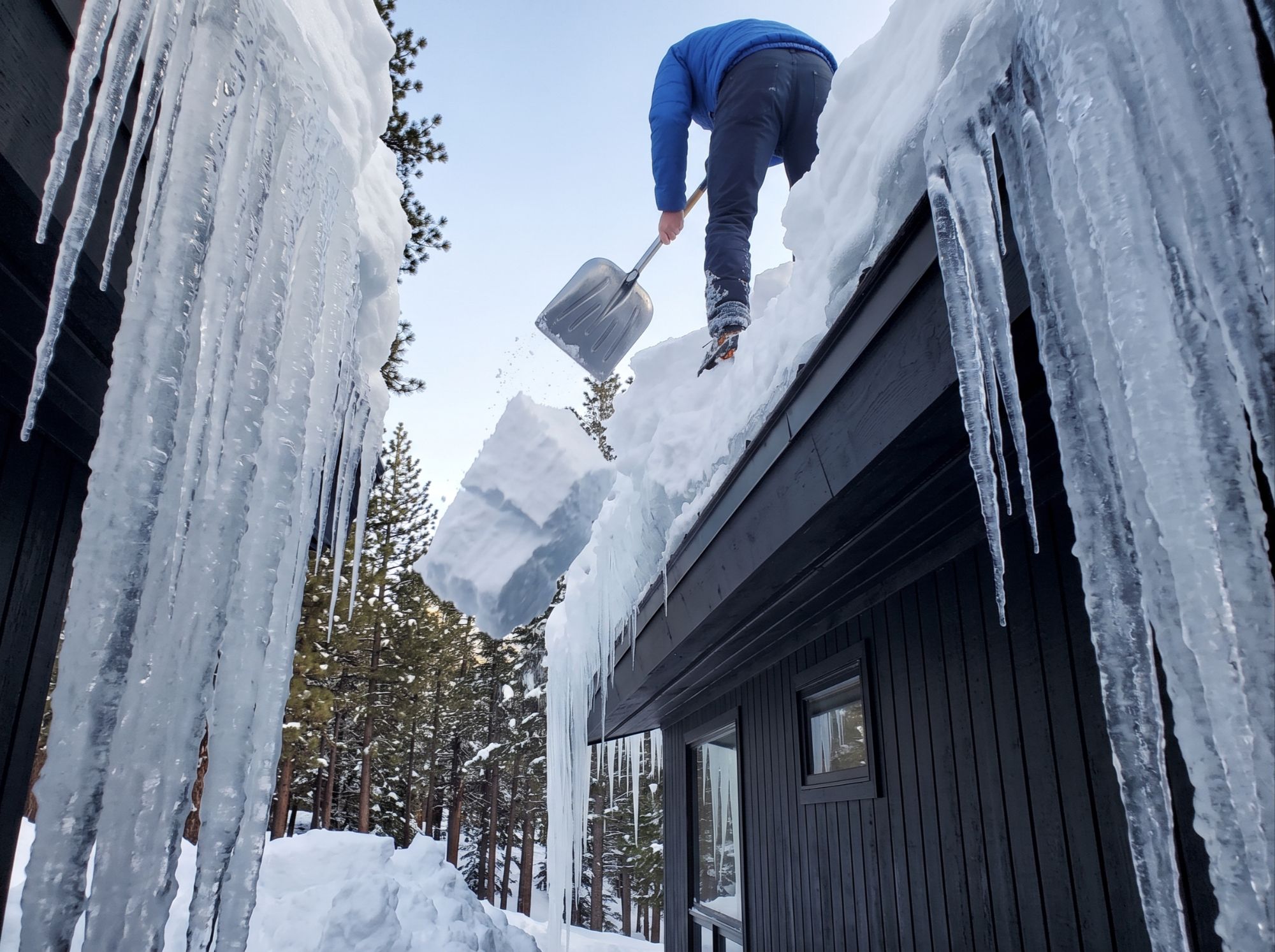
An ice dam forms when heat escaping through the roof melts snow higher on the roof.
The meltwater flows toward the colder eaves, where it can refreeze and build a ridge of ice.
As that ridge grows, additional meltwater can back up beneath roofing materials and potentially enter the home.
Cold Roof Design
A properly ventilated cold-roof system can help keep the roof surface temperature more consistent and reduce uneven snowmelt.
Heat Cables
Heat cables along roof eaves and gutters can help maintain drainage paths where meltwater would otherwise refreeze.
Ice-and-Water Shield
A waterproof ice-and-water shield membrane beneath the roofing can provide an additional layer of protection if water backs up near the roof edge.
Why Ice Dams Can Be Easy to Miss During a Summer Showing
A roof may look perfectly normal when it is dry. Ice-dam vulnerability often becomes obvious only when snow accumulation, roof heat loss, and freezing temperatures combine.
That makes roof ventilation, insulation, prior leak history, and winter performance worth investigating during due diligence.
Why This Matters for Tax-Relocation Buyers
Nevada's lack of an individual state income tax can create a meaningful financial difference for households leaving California, Washington, or another higher-tax state.
But the benefits of a well-planned relocation can be undermined by unexpected property expenses such as roof damage, water intrusion, or a driveway that becomes difficult to use after a major storm.
Winter engineering belongs in the property due-diligence process alongside taxes, insurance, utilities, neighborhood selection, and long-term carrying costs.
Winter-Ready Tahoe Home Checklist
- Check where each major roof section is designed to shed accumulated snow.
- Look for snow guards, snow splitters, or heated roof valleys where needed.
- Determine whether falling roof snow could affect entries, vehicles, utilities, or outdoor equipment.
- If the home has a heated driveway, identify whether the system is hydronic or electric.
- Ask about the age, maintenance history, fuel source, controls, and estimated operating cost of the snow-melt system.
- Review roof ventilation and insulation for possible ice-dam concerns.
- Look for heat cables and ice-and-water membrane where appropriate.
- Ask about prior winter leaks, roof repairs, or known ice-dam history.
Build a More Deliberate Nevada Transition
If your Tahoe property will become part of your Nevada residency strategy, use the NV Residency Guide - Safe Harbor Checklist to organize practical documentation and relocation steps alongside your property due diligence.
Get the Safe Harbor Checklist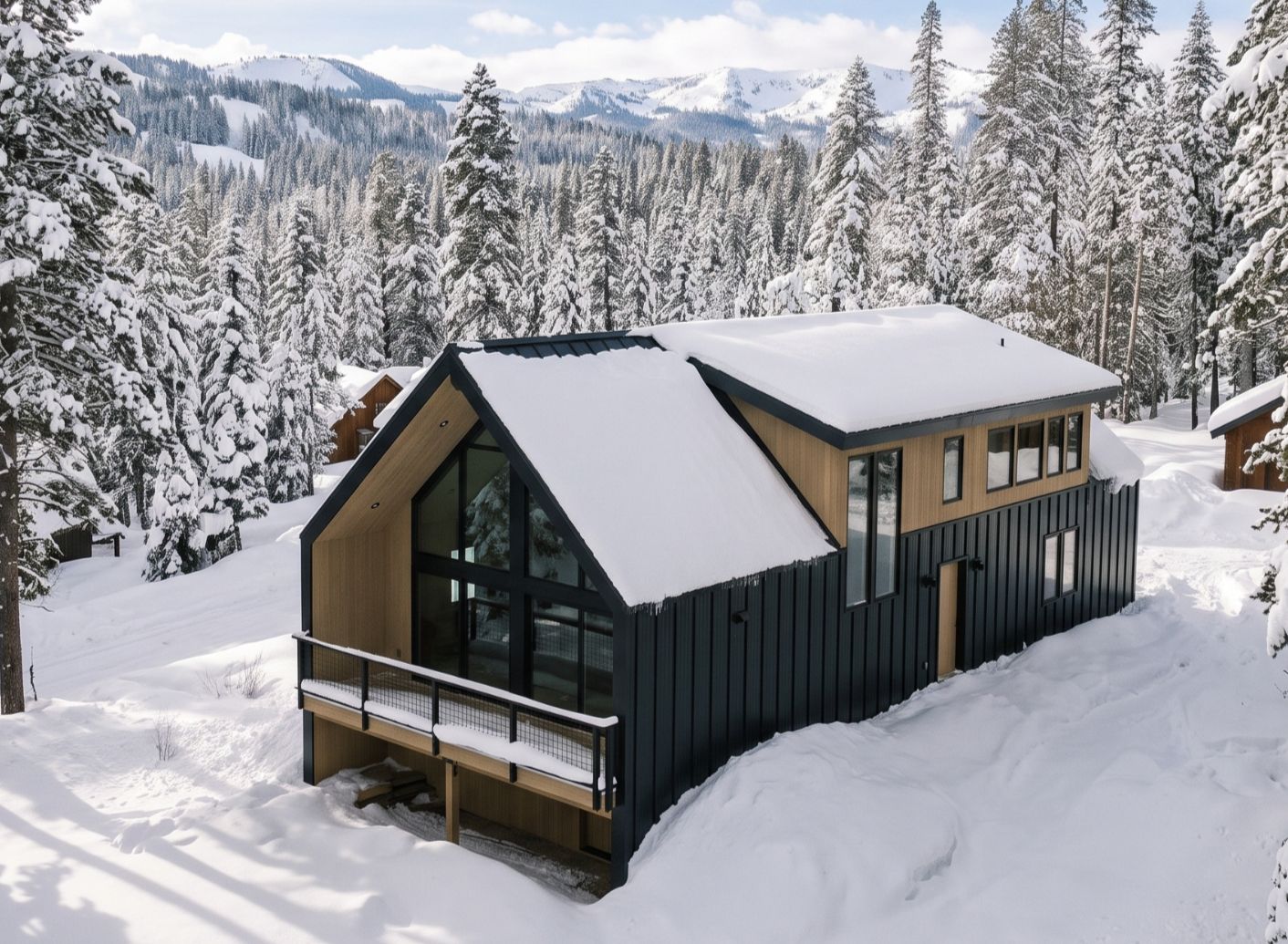
Work With Someone Who Understands Tahoe Winters
Winter performance is property-specific. Roof pitch, elevation, driveway orientation, snow storage, drainage, heating systems, and building design can all affect how a home performs after a major storm.
Tahoe Tony has spent more than 28 years listing and selling luxury Tahoe properties in Incline Village, Crystal Bay, Glenbrook, and the Nevada side of Lake Tahoe.
When winter systems need deeper evaluation, he can help connect buyers with appropriate structural engineers, roofing specialists, and heating contractors before contingencies expire.
Buying a Nevada Tahoe Home?
Do not evaluate a mountain home only by how it performs during a clear, sunny showing.
Understanding roof snow shed, driveway snow management, and ice-dam prevention before closing can help you choose a property that works better through the winter season.
Review a Property's Winter EngineeringThis article is for general informational purposes only and does not constitute engineering, structural, roofing, heating, electrical, plumbing, construction, tax, legal, financial, or real estate advice. Snow loads, roof performance, snow-melt system costs, fuel prices, electricity rates, installation costs, ice-dam conditions, equipment performance, and property conditions can vary substantially by home, elevation, weather, and system design. Cost figures in this article are general estimates from the source material and should not be treated as property-specific quotes. Buyers should independently evaluate the property with qualified structural engineers, roofing professionals, heating contractors, inspectors, and other appropriate professionals before removing contingencies. Tony Tuoto is a licensed real estate broker, not an engineer, contractor, roofer, CPA, or tax attorney.
Nevada Tahoe Winter Home FAQ
Frequently Asked Questions
Common questions Nevada Tahoe buyers ask about heated driveways, roof snow shed, ice dams, winter maintenance, and property-specific winter engineering.
Why does roof pitch direction matter when buying a Lake Tahoe home? +
Roof pitch determines where accumulated snow may release. A roof that sheds snow toward a driveway, entrance, vehicle, gas meter, propane line, or other equipment can create access, safety, or property-damage concerns.
What should I look for to help manage roof snow? +
The source recommends looking for roof sections pitched away from important entries and driveways, along with features such as snow guards, snow splitters, or heated roof valleys where appropriate.
What is a hydronic heated driveway? +
A hydronic snow-melt system circulates heated water and glycol through tubing embedded beneath the driveway. The source describes these systems as commonly suited to larger areas and generally having lower operating costs than electric systems.
How much does a hydronic heated driveway cost? +
The source estimates installation at approximately $12 to $28 per square foot and operating cost at roughly $3 to $8 per hour. Actual costs depend on driveway size, materials, fuel prices, system design, and local conditions.
How much does an electric heated driveway cost? +
The source estimates installation at approximately $12 to $25 per square foot and operating cost at roughly $8 to $15 or more per hour. Actual costs depend on system size, electricity rates, and property conditions.
Is a heated driveway better than a snow-plow contract? +
They solve the problem differently. A heated driveway costs more upfront but can continuously melt snow and avoids plow contact with specialty surfaces. A plow contract typically costs less initially but clears snow only after accumulation and requires ongoing seasonal service.
What causes an ice dam on a Tahoe home? +
An ice dam forms when heat escaping through the roof melts snow higher on the roof. The water then reaches colder eaves, refreezes, and forms a ridge that can cause additional meltwater to back up beneath roofing materials.
How can a Tahoe home reduce ice-dam risk? +
The source identifies a ventilated cold-roof design, heat cables along eaves and gutters, and a waterproof ice-and-water shield membrane beneath the roofing as common prevention strategies.
What winter systems should I inspect before buying a Nevada Tahoe home? +
Review roof snow-shed direction, snow-management features, heated driveway type and condition, roof ventilation, insulation, ice-dam protection, and any prior winter leak or roof-repair history. Property-specific concerns should be evaluated by appropriate qualified professionals.
If your purchase is also part of a Nevada relocation, review the 2026 NV Residency Guide and the Safe Harbor Checklist .
Categories
Recent Posts