TRPA Rules for Nevada-Side Lake Tahoe Homes
Nevada Tahoe Buyer Guide
TRPA Rules for Nevada-Side Lake Tahoe Homes
A simple guide to glass, exterior colors, materials, Dark Sky lighting, and scenic-review considerations for buyers coming from California, Washington, or other high-tax states.
One of the biggest reasons buyers move to the Nevada side of Lake Tahoe is taxes. Nevada does not impose an individual state income tax, which can make the move especially attractive to buyers coming from California, Washington, or other higher-tax states.
But once you own a home in Incline Village, Crystal Bay, Glenbrook, or elsewhere in the Tahoe Basin, another agency can affect how the property's exterior is designed.
That agency is the Tahoe Regional Planning Agency, or TRPA. TRPA scenic-review requirements can affect what is visible from the lake and certain scenic highways.
Here is what that can mean for you as a buyer, explained simply.
Pro Tip: Check Scenic Restrictions Before You Fall in Love With the Lot
Before buying a lakefront or highly visible property, ask whether that specific parcel carries additional scenic restrictions.
Some shoreline sites can be more restricted than others, which may affect window selections, exterior materials, lighting, design choices, and ultimately your remodel or construction budget.
Can I Install Floor-to-Ceiling Glass Walls?
Usually, yes, but TRPA scenic review can limit how reflective the glass may be.
The concern is how much sunlight the windows reflect back toward the lake or other sensitive scenic areas.
There is not one single reflectivity number that applies uniformly to every Nevada-side Lake Tahoe property. TRPA can evaluate the project based on the specific parcel and its scenic sensitivity.
Highly Sensitive Sites
The source material notes that some sensitive shoreline parcels may face glass-reflectivity limits as low as approximately 3%.
Other Properties
The source also notes examples of site-specific approvals in the approximately 11% to 13% reflectivity range, subject to review of the individual project.
Before Ordering Windows
Have the allowable glazing specification confirmed for the exact parcel by a TRPA-experienced architect before ordering large, custom, or expensive window packages.
Do Not Assume the Neighbor's Windows Set the Rule for Your House
TRPA scenic review can be parcel-specific. A glazing package approved for one property does not necessarily mean the same specification will be approved for the home next door.
What Could a Nevada Move Mean for Your Tax Picture?
If Nevada's tax structure is one of the reasons you are considering a Tahoe move, estimate your potential savings before comparing purchase prices, remodeling budgets, and long-term carrying costs.
Use the NV Tax Savings Calculator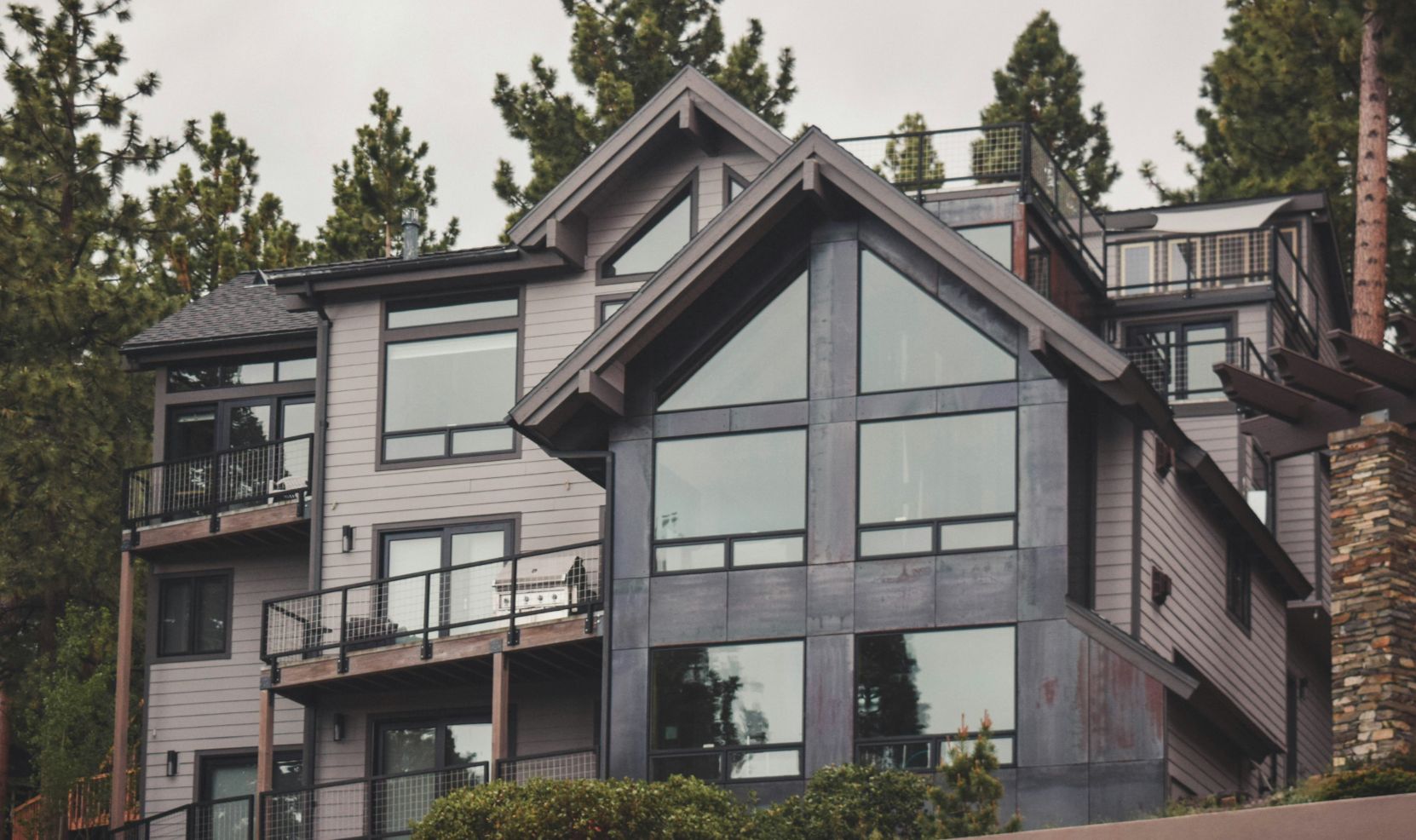
What Colors and Materials Can I Use Outside My Home?
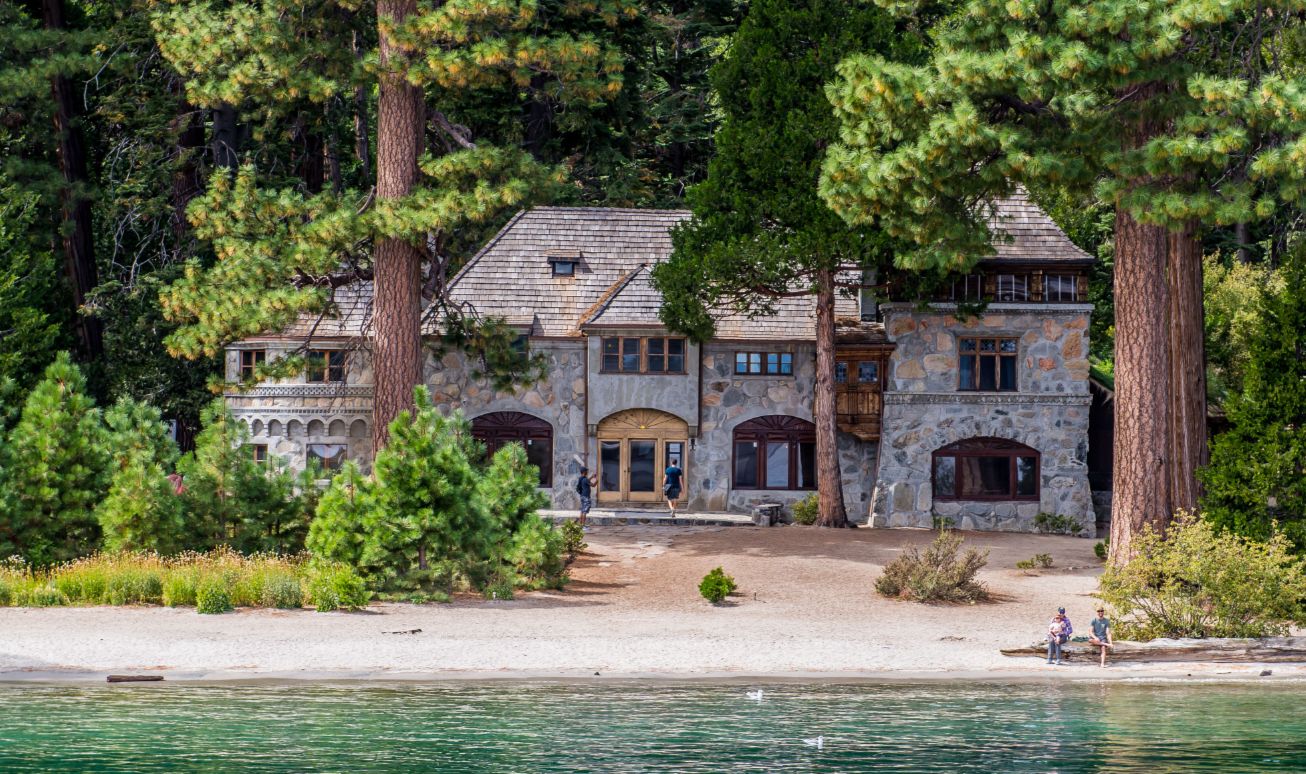
The basic idea is that Tahoe homes should visually blend into the surrounding mountain landscape rather than stand out from it.
That generally favors muted natural colors and low-reflectivity finishes instead of bright or highly glossy exterior treatments.
Colors
Browns, grays, greens, and other subdued earth tones generally fit the mountain setting more naturally than bright white or visually dominant colors.
Finishes
Flat or matte exterior finishes are generally more appropriate than highly glossy, shiny, or reflective materials.
Color Review
The source notes that TRPA evaluates exterior color using the Munsell Color System rather than relying on one simple published residential color chart.
Why Early Material Review Matters
Exterior finishes can represent a significant portion of a luxury remodel or new-build budget.
Having a TRPA-experienced architect review colors and materials before final selections are ordered can help reduce the risk of redesign, replacement costs, or a rejected submission later.
What Are the Dark Sky Lighting Rules?
Outdoor lighting is another area that buyers can easily overlook, particularly when purchasing an older Tahoe property.
The source describes several key Dark Sky principles for exterior residential lighting.
Lights Should Point Down
Outdoor fixtures should be directed downward and fully shielded so the bulb itself is not openly visible.
Use Warm Light
The source describes a light-color limit of approximately 3,000 Kelvin, producing a warmer appearance rather than a harsh blue-white light.
Avoid Flashing or Tree-Mounted Lighting
Blinking, flashing, and tree-mounted lighting are generally restricted, apart from limited holiday exceptions described in the source material.
Security Lighting May Need Motion Control
Bright security lighting should use motion activation rather than simply remaining illuminated throughout the night.
Buying an Older Tahoe Home?
Do not assume older exterior lighting automatically meets current expectations. Include outdoor lighting in your property review and remodel budget if upgrades may be necessary.
Planning to Make Nevada Your Primary Residence?
TRPA planning is only one part of a California-to-Nevada or Washington-to-Nevada transition. Use The 2026 NV Residency Guide to understand the broader practical move beyond purchasing the property.
Explore The 2026 NV Residency Guide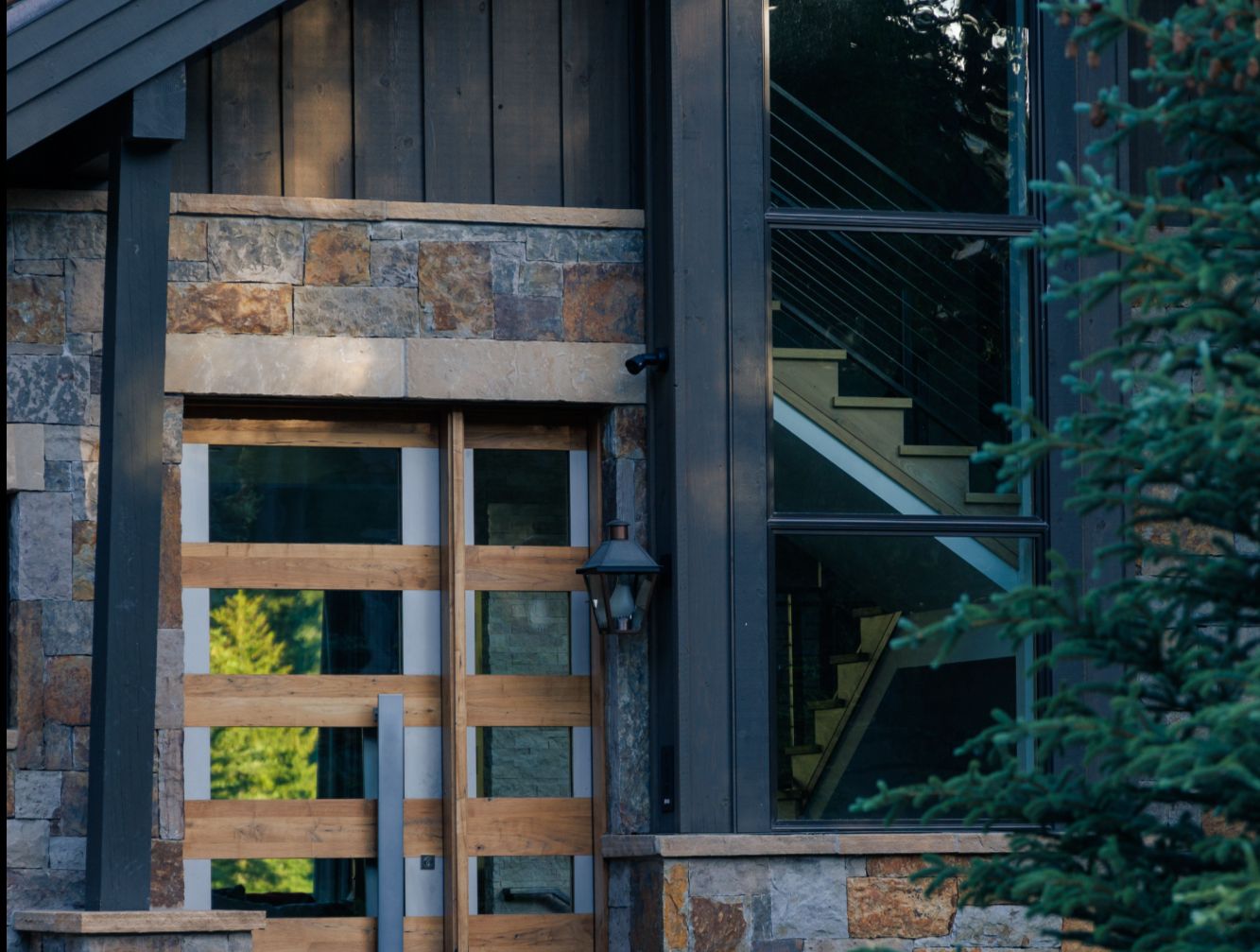
Before You Buy: A Quick TRPA Checklist
If you already know you want to remodel, replace windows, modernize exterior materials, or update outdoor lighting, investigate those issues before you assume the property can support your design exactly as imagined.
TRPA Due Diligence for Buyers
- Ask what glass-reflectivity limit may apply to the exact parcel.
- Confirm exterior colors and finish selections with a TRPA-experienced architect.
- Review whether the existing outdoor lighting appears consistent with current Dark Sky requirements.
- Determine whether the parcel has heightened shoreline or scenic visibility considerations.
- Build TRPA review time into your remodel, construction, permit, and moving timeline.
- Investigate design restrictions before committing to expensive custom materials or window packages.
Why This Matters for Your Nevada Move
Scenic review, glazing documentation, architectural revisions, and lighting compliance can add time to a building or remodeling project.
That becomes particularly important when a property renovation, relocation schedule, and broader residency transition are all happening at the same time.
For buyers moving from California or another state, the safer approach is to coordinate the real estate, architectural, permitting, and residency pieces early rather than treating them as separate issues after closing.
Build a More Deliberate Nevada Transition
If the Tahoe property will become part of your Nevada residency strategy, use the NV Residency Guide - Safe Harbor Checklist to organize practical relocation steps and documentation alongside your property purchase.
Get the Safe Harbor Checklist
Work With Someone Who Has Done This Before
TRPA issues can be highly property-specific. Two homes with similar architecture can face different scenic considerations because of shoreline visibility, highway exposure, parcel orientation, or the scope of the proposed project.
Tahoe Tony has spent more than 28 years helping buyers navigate Nevada-side Lake Tahoe real estate and connect with appropriate local architects, contractors, and land-planning professionals.
The goal is not for you to become a TRPA code expert. It is to identify the important property-specific questions before you commit to a home or major renovation plan.
Considering a Nevada-Side Tahoe Property?
Before you buy, understand not only what the home looks like today, but what you may realistically be able to change tomorrow.
Reviewing scenic restrictions, glazing, exterior materials, lighting, and planned improvements early can help you make a more informed purchase in Incline Village, Crystal Bay, Glenbrook, and the Nevada side of Lake Tahoe.
Review Your Nevada Property StrategyThis article is for general informational purposes only and does not constitute legal, tax, architectural, engineering, permitting, environmental, land-use, TRPA, or real estate advice. TRPA standards, scenic review criteria, glazing requirements, reflectivity limits, exterior color requirements, lighting rules, permit procedures, and other regulations can change and may vary by parcel and project. Buyers should independently confirm current property-specific requirements with TRPA, the appropriate county, qualified architects, contractors, land-use professionals, and other relevant advisors before purchasing a property, ordering materials, or beginning construction. Tony Tuoto is a licensed real estate broker, not a CPA, tax attorney, architect, engineer, or TRPA official.
Nevada Tahoe TRPA FAQ
Frequently Asked Questions
Common questions Nevada-side Lake Tahoe buyers ask about TRPA scenic review, glass reflectivity, exterior colors, Dark Sky lighting, and planning a remodel or new build.
What does TRPA regulate on a Nevada-side Lake Tahoe home? +
TRPA can regulate exterior design and scenic impacts within the Tahoe Basin, including issues such as glazing, exterior colors, materials, lighting, and elements visible from scenic areas. Requirements can vary depending on the parcel and project.
Can I install floor-to-ceiling windows in Incline Village or Crystal Bay? +
Usually, but the allowable glass reflectivity can depend on the property's scenic sensitivity. Have the exact parcel reviewed by a TRPA-experienced architect before ordering a custom glazing package.
How reflective can window glass be on a Nevada Tahoe home? +
There is not one reflectivity number that applies to every home. The source material notes that some highly sensitive shoreline parcels may face limits around 3%, while certain site-specific projects have reportedly received approvals in the 11% to 13% range.
What exterior colors does TRPA generally favor? +
Exterior design generally favors muted, natural colors such as browns, grays, and greens that blend with the surrounding mountain landscape rather than bright or visually dominant finishes.
Does TRPA allow glossy or reflective exterior materials? +
Exterior materials generally should minimize visual reflectivity. Flat or matte finishes typically fit the scenic objective better than glossy, shiny, or metallic-looking surfaces.
What are the Dark Sky lighting rules for Tahoe homes? +
The source describes exterior lighting as needing to be shielded and directed downward, with warm light around 3,000 Kelvin. It also describes restrictions on flashing and tree-mounted lighting and motion-control expectations for brighter security lighting.
Do older Lake Tahoe homes need to comply with Dark Sky lighting rules? +
Buyers should not assume an older home's existing lighting will satisfy current requirements. Exterior lighting should be reviewed as part of the property's remodel and due-diligence planning.
Can TRPA requirements delay a remodel or construction project? +
They can add review, documentation, or design-revision time, especially when scenic review, glazing, exterior materials, or lighting compliance are involved. Buyers should account for that in their permit and moving timeline.
What should I check before buying a Nevada-side Tahoe home I plan to remodel? +
Review parcel-specific scenic restrictions, glazing limits, exterior colors and finishes, outdoor lighting, and the likely TRPA review process before committing to expensive custom materials or a major remodeling plan.
If your purchase is also part of a Nevada relocation, review the 2026 NV Residency Guide and the Safe Harbor Checklist .
Categories
Recent Posts