Who Really Controls What in Incline Village, Glenbrook, and Zephyr Cove
Nevada GID vs. HOA vs. County Services
Who Really Controls What in Incline Village, Glenbrook, and Zephyr Cove
Relocating from California, Washington, or another high-tax state for Nevada’s zero income tax? Here is the surprise: there is no city hall on the Nevada side of Lake Tahoe.

Incline Village, Crystal Bay, Glenbrook, Zephyr Cove, and Stateline are unincorporated communities.
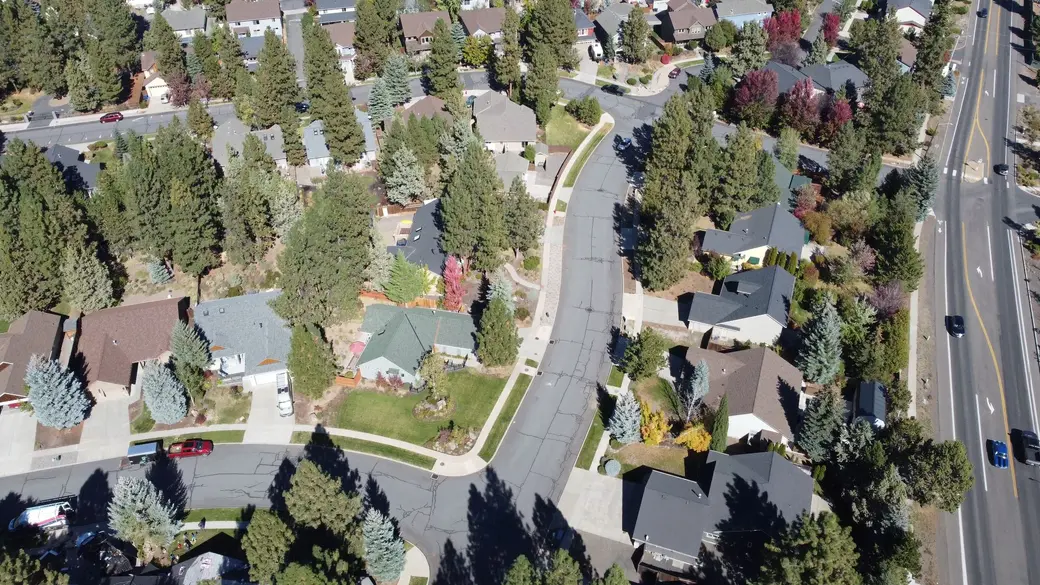
Instead of one city government, many Nevada-side Tahoe properties are governed by a three-layer system: county government, a General Improvement District, and often a private HOA.
Before you buy, it helps to know which layer controls utilities, recreation access, building permits, rental rules, law enforcement, and neighborhood restrictions.
GIDs: Your Utilities and Recreation
A General Improvement District, often called a GID, is a public, special-purpose local government under NRS Chapter 318.
GIDs deliver services within set boundaries, such as water, sewer, trash, recreation, roads, or snow removal depending on the district. They are funded through assessments on your county tax bill and utility rates, not private HOA dues.
The Three GIDs Nevada Tahoe Buyers May Encounter
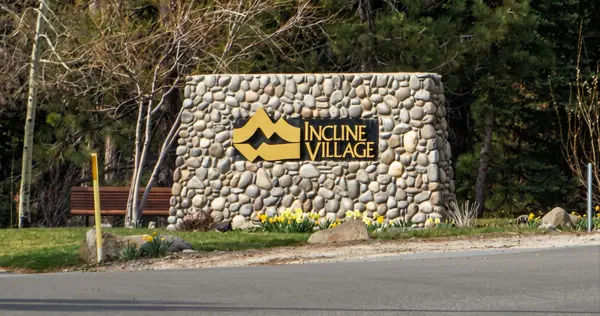
- IVGID: Serves Incline Village and Crystal Bay with water, sewer, trash, private beaches, Diamond Peak, two golf courses, and the recreation center.
- KGID: Serves the Kingsbury Grade area in Douglas County with water, sewer, road maintenance, and snow removal.
- RHGID: Serves roughly 500 water and sewer connections near Round Hill Pines in Zephyr Cove.
Pro Tip From Tahoe Tony
GID assessments and IVGID recreation fees follow the parcel, not the person. Confirm the property is current before removing contingencies. A lapsed account can affect beach and recreation-center access.
Calculate Your Nevada Tax Savings
Before comparing GID assessments, HOA dues, and property carrying costs, estimate how Nevada’s no-state-income-tax structure may affect your broader household strategy.
Use the NV Tax Savings Calculator
GID vs. HOA at a Glance
A GID is public. An HOA is private. Both can affect ownership, but they do very different things.
| Feature | General Improvement District | Private HOA |
|---|---|---|
| Legal Status | Public, quasi-governmental political subdivision under NRS Chapter 318. | Private non-profit corporation. |
| Primary Focus | Water, sewer, trash, public parks, recreation facilities, roads, or snow removal depending on the district. | Architectural control, CC&R enforcement, private gates, and common areas. |
| Funding | Assessments on the county tax bill plus utility rates. | Private monthly or annual HOA dues. |
| Rule Authority | Ordinance power over district services and facility access. | Private contractual enforcement and architectural guidelines. |
Planning a Nevada Move?
If your Tahoe purchase is part of a California-to-Nevada or Washington-to-Nevada relocation strategy, start with the 2026 NV Residency Guide.
Explore the 2026 NV Residency Guide
Permits, Rentals and Law Enforcement: Always the County
GIDs do not issue building permits, license short-term rentals, or police neighborhoods. That work belongs to the county.
County-Level Responsibilities
- Washoe County: Handles permits, zoning, Sheriff services, and STR rules for Incline Village and Crystal Bay. STR permits are tiered and non-transferable, so buyers apply from zero.
- Douglas County: Handles permits, zoning, Sheriff services, and VHR rules for Glenbrook, Zephyr Cove, and Stateline. VHR permits are capped, and several neighborhoods, including parts of Glenbrook, may be waitlisted with none currently available.
Do Not Assume a Rental Permit Transfers
Rental rules are county-level rules, and availability can change. Before you write an offer, verify whether the county has an open rental permit for that parcel and whether a new buyer can use it.

Before You Offer: 3 Things to Verify
- Which GID or GIDs serve the parcel and whether fees are current.
- Whether an HOA adds its own restrictions, dues, architectural review, or CC&R requirements.
- Whether the county has an open rental permit for that parcel, and whether it transfers or requires a new application.
Build a Defensible Nevada Residency Move
The Safe Harbor Checklist helps you think through practical documentation and residency steps that can support a cleaner, more strategic Nevada relocation.
Download the Safe Harbor Checklist
The Tax-Advantage Connection
Nevada’s headline draw is zero state income tax, zero state capital gains tax, and zero retirement-income tax, a real contrast to California, Washington, and other high-tax states.
GID and HOA fees are local service costs, not state taxes, so they do not erase that advantage. But they still belong in your total carrying-cost math alongside Nevada’s already-favorable property tax structure.
Tahoe Tony is a real estate broker, not a CPA or tax attorney. For residency and tax-planning questions, he refers clients to Ashley Quinn, CPAs & Consultants in Incline Village.
Ready to Verify a Specific Property?
With more than 28 years navigating Washoe and Douglas County governance, Tahoe Tony helps buyers verify parcel entitlements, district fees, and rental eligibility before contingencies expire.
Before you commit, make sure you know which public district, private HOA, and county rules apply to the property.
Connect With Tahoe Tony to Audit Your Target PropertyThis post is for informational purposes only and does not constitute legal, tax, financial, land-use, HOA, GID, county, permitting, rental, law-enforcement, or real estate advice. GID services, district assessments, IVGID recreation fees, HOA rules, county permit requirements, STR and VHR regulations, rental availability, tax laws, and residency requirements can change. Tony Tuoto is a real estate broker, not a CPA, tax attorney, attorney, county official, GID representative, HOA manager, or government official. Buyers should independently confirm property-specific services, fees, rental rules, HOA documents, tax consequences, and residency requirements with the appropriate qualified professionals and agencies.
Nevada GID, HOA and County FAQ
Frequently Asked Questions
These are common questions Nevada Tahoe buyers ask about General Improvement Districts, private HOAs, county services, rental permits, district fees, and property due diligence.
What is a General Improvement District in Nevada Tahoe?+
A General Improvement District, or GID, is a public, special-purpose local government under NRS Chapter 318. It can provide services such as water, sewer, trash, recreation, roads, or snow removal within set boundaries.
Is a GID the same as a private HOA?+
No. A GID is a public, quasi-governmental district, while an HOA is a private non-profit corporation that usually handles CC&Rs, architectural control, private gates, and common areas.
Which GIDs serve the Nevada side of Lake Tahoe?+
Buyers may encounter IVGID in Incline Village and Crystal Bay, KGID along Kingsbury Grade, and RHGID near Round Hill Pines in Zephyr Cove.
Who handles permits, zoning, rentals, and law enforcement?+
Those responsibilities belong to the county, not the GID. Washoe County handles Incline Village and Crystal Bay. Douglas County handles Glenbrook, Zephyr Cove, and Stateline.
Do GID assessments and IVGID recreation fees follow the parcel?+
Yes. GID assessments and IVGID recreation fees follow the parcel, not the person. Buyers should confirm the property is current before removing contingencies.
Are Washoe County STR permits transferable to a new buyer?+
According to the source blog, Washoe County STR permits are tiered and non-transferable, so buyers should expect to apply from zero and verify current county rules directly.
Are Douglas County VHR permits capped?+
According to the source blog, Douglas County VHR permits are capped, and several neighborhoods, including parts of Glenbrook, may be waitlisted with none currently available. Buyers should verify current availability directly with Douglas County.
What should buyers verify before making an offer?+
Buyers should verify which GID serves the parcel, whether GID fees are current, whether an HOA adds restrictions, and whether the county has an open rental permit for the parcel.
Do GID and HOA fees erase Nevada’s tax advantage?+
No. GID and HOA fees are local service and ownership costs, not state income taxes. They should still be included in total carrying-cost math when comparing properties.
Estimate potential savings here: NV Tax Savings Calculator.
Categories
Recent Posts