The Snowplow Priority & Winter Street Access
The Snowplow Priority & Winter Street Access
Who Actually Clears Your Road on the Nevada Side of Lake Tahoe?
For California and Washington buyers relocating to Nevada, winter street access belongs on the due-diligence list right alongside taxes, insurance, HOA costs, and neighborhood selection.
If you're relocating from California or Washington, winter road access is a practical question that belongs right alongside Nevada's zero state income tax on your due-diligence list.
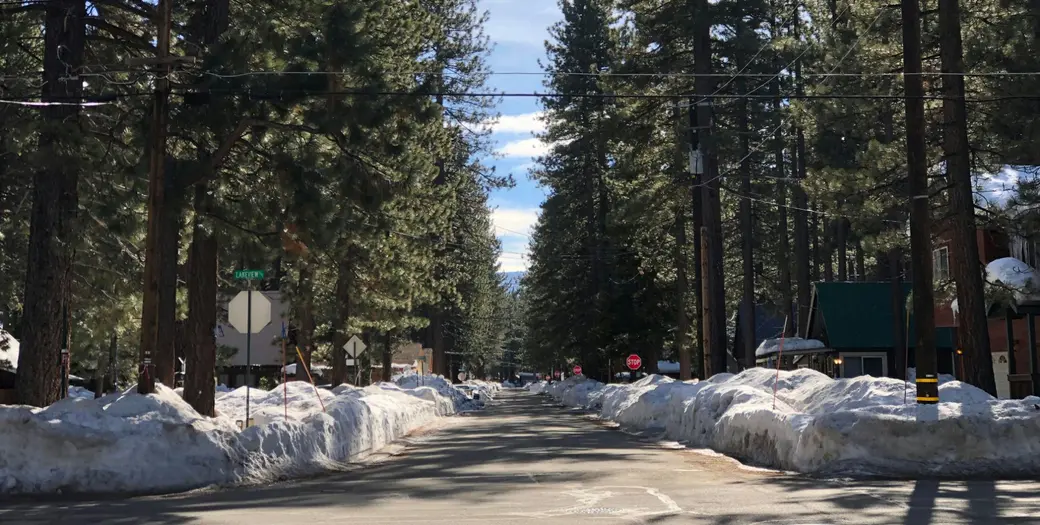
The good news is that snow removal on the Nevada side of Lake Tahoe has improved significantly over the past 10 years. Major Sierra storms can still create difficult conditions, but it is now relatively rare for most streets to remain uncleared for long periods.
In many neighborhoods, roads are plowed within a few hours of a storm, and most mornings the main routes and residential streets are passable while crews continue widening lanes, clearing intersections, and cleaning up remaining snow.
The important question for a buyer is not simply "Does Tahoe get a lot of snow?" It is "Who maintains the road in front of this specific home?"
Who Is Responsible for Plowing My Street?
Road maintenance on the Nevada side of Lake Tahoe is split across several different jurisdictions.
A luxury home's price does not determine when the road gets cleared. The ownership and maintenance responsibility of the street are what matter.
State Highways
The Nevada Department of Transportation, or NDOT, clears major state routes including NV-28, Mt. Rose Highway (NV-431), and US-50. These highways operate on NDOT's own snow-removal schedule rather than a county or neighborhood plan.
County Roads
Washoe County plows public county-maintained roads in Incline Village and Crystal Bay. Douglas County maintains public county roads on portions of the South and East Shore, including areas around Zephyr Cove and Round Hill outside special district boundaries.
GID Streets
General Improvement Districts, or GIDs, may operate their own snow-removal programs within district boundaries. Examples in the source include Kingsbury GID and Round Hill GID.
Private HOA Streets
Gated communities, private developments, and many condominium associations may own their own streets and hire private contractors to handle snow removal.
Unmaintained Easements
Some access roads or county easements may not be plowed by a public agency at all. Owners may need to hire a private tractor or snow-removal service directly.
The Price of the Home Does Not Determine Plowing Priority
A multi-million-dollar Tahoe property can still sit on a low-priority cul-de-sac, steep residential street, private HOA road, or access easement.
Verify the road jurisdiction before you assume a luxury property receives faster snow removal.
Calculate Your Potential Nevada Tax Savings
If Nevada's tax structure is one reason you're considering a Tahoe move, estimate your potential tax savings while also accounting for winter access, HOA dues, snow-removal costs, and other recurring ownership expenses.
Use the NV Tax Savings Calculator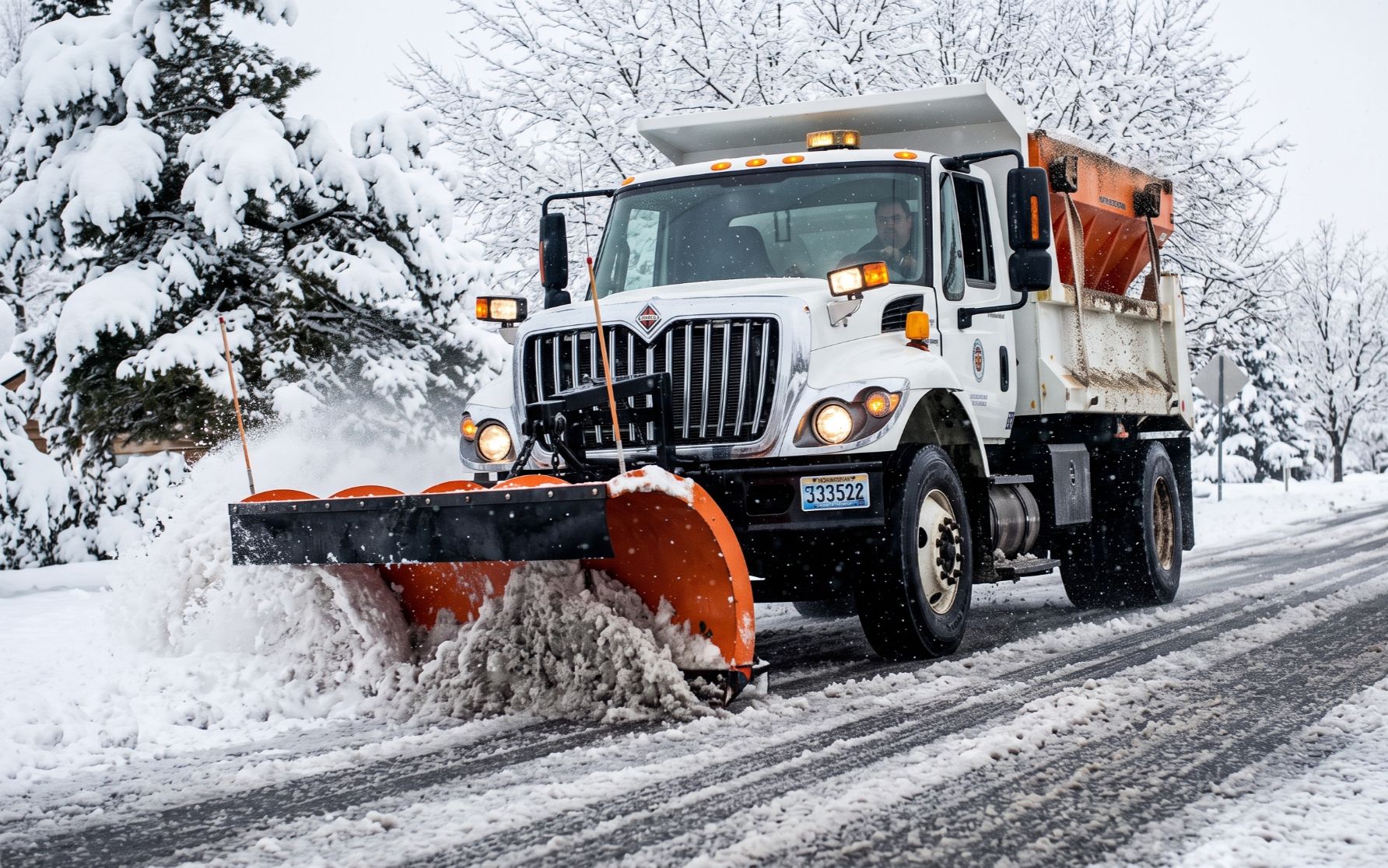
How Do Plow Crews Decide Which Roads to Clear First?
County and GID snow-removal crews generally work through a staged priority system rather than simply clearing roads in the order calls come in.
Major Arterials & School Bus Routes
Major county- or district-maintained routes and school bus roads receive the highest priority so key roads can remain passable for emergency access and the morning commute.
Secondary Collector Streets
Higher-traffic residential streets that connect neighborhoods to major routes generally follow after the primary arterials are addressed.
Cul-de-sacs, Dead Ends & Lower-Traffic Streets
Cul-de-sacs, dead ends, steep residential roads, and streets carrying less through-traffic may be cleared later in the storm response.
Important: NDOT Uses Its Own Schedule
This priority structure applies to county and GID operations. NV-28, Mt. Rose Highway, and US-50 are maintained separately by NDOT.
Seeing a clear state highway does not necessarily mean the residential street leading to your house has already been plowed.
Planning to Make Nevada Your Primary Residence?
Winter access is only one part of a California-to-Nevada or Washington-to-Nevada move. Use The 2026 NV Residency Guide to understand the broader practical steps involved in establishing your Nevada life.
Explore The 2026 NV Residency Guide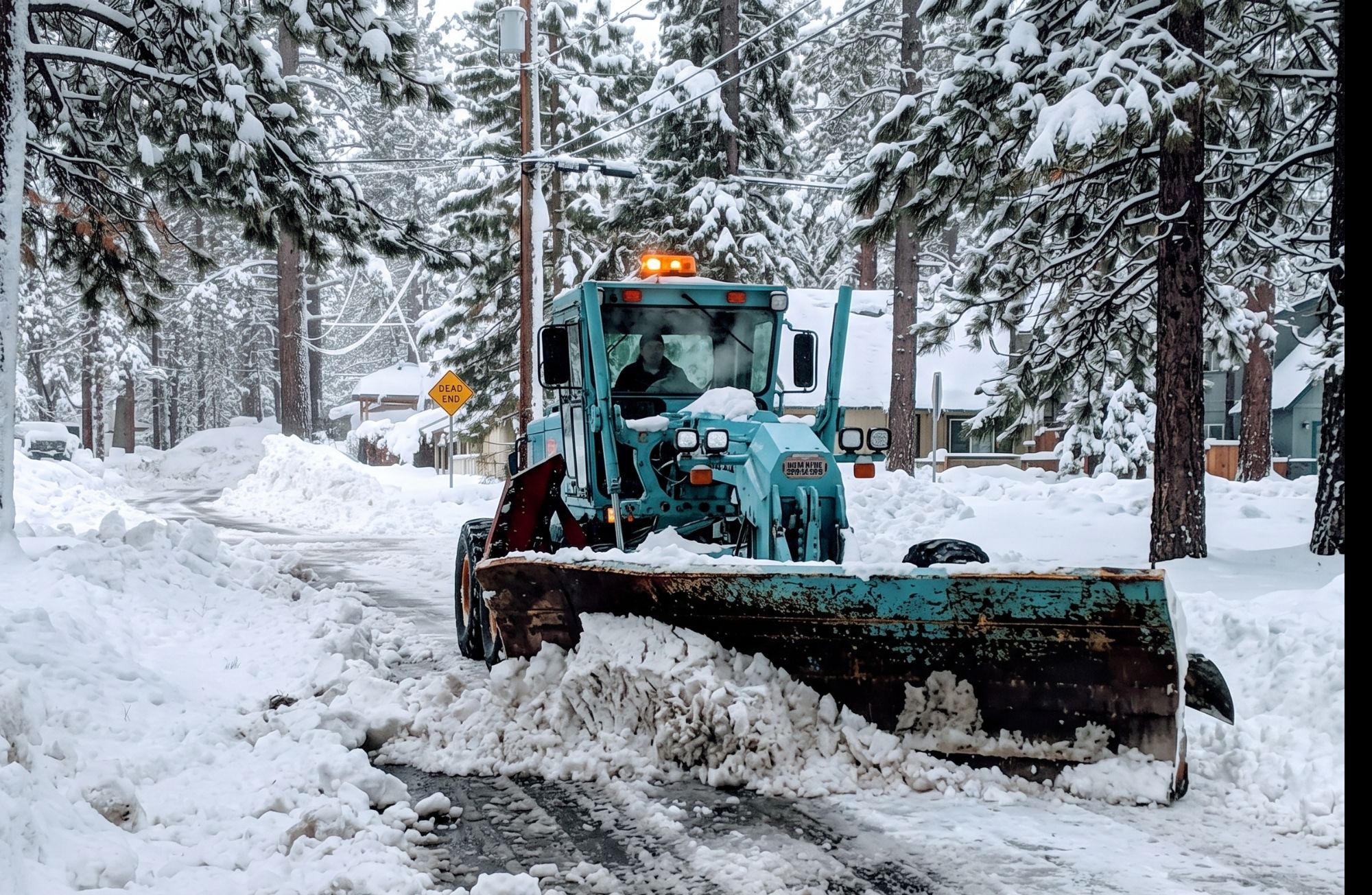
Public Road vs. GID Street vs. Private HOA Street
The road type can affect who clears the snow, who handles the berm left at your driveway, and how the service is funded.
| Road Type | Snow Removal | Berm Clearing | Funding |
|---|---|---|---|
| Public County Road | Handled by Washoe County or Douglas County crews. | The homeowner generally clears the berm left across the driveway by the plow. | Supported through normal public funding and property-tax revenues. |
| GID Street | Handled by the district's own crew or snow-removal contractor. | Policies vary by district. Buyers should review the applicable GID's current snow policy. | Supported by district fees or assessments separate from ordinary county road maintenance. |
| Private HOA Street | Handled by a private snow-removal contractor hired by the HOA. | Some contractors may clear driveway aprons or berms as part of the community contract. | Paid through monthly or annual HOA dues. |
| Unmaintained Easement | May not be plowed by any public crew. | The homeowner may need to arrange private snow removal. | Paid directly by the property owner or participating owners. |
The Driveway Berm Matters More Than Many Buyers Expect
A public snowplow may clear the street efficiently but leave a heavy ridge of compacted snow across your driveway entrance.
In some HOA communities, a private contractor may return to clear driveway aprons. On a county road, that final berm is often the homeowner's responsibility.
Ask exactly what the snow-removal service includes before assuming the road being plowed means the driveway will also remain immediately accessible.
Why Winter Access Is Property-Specific
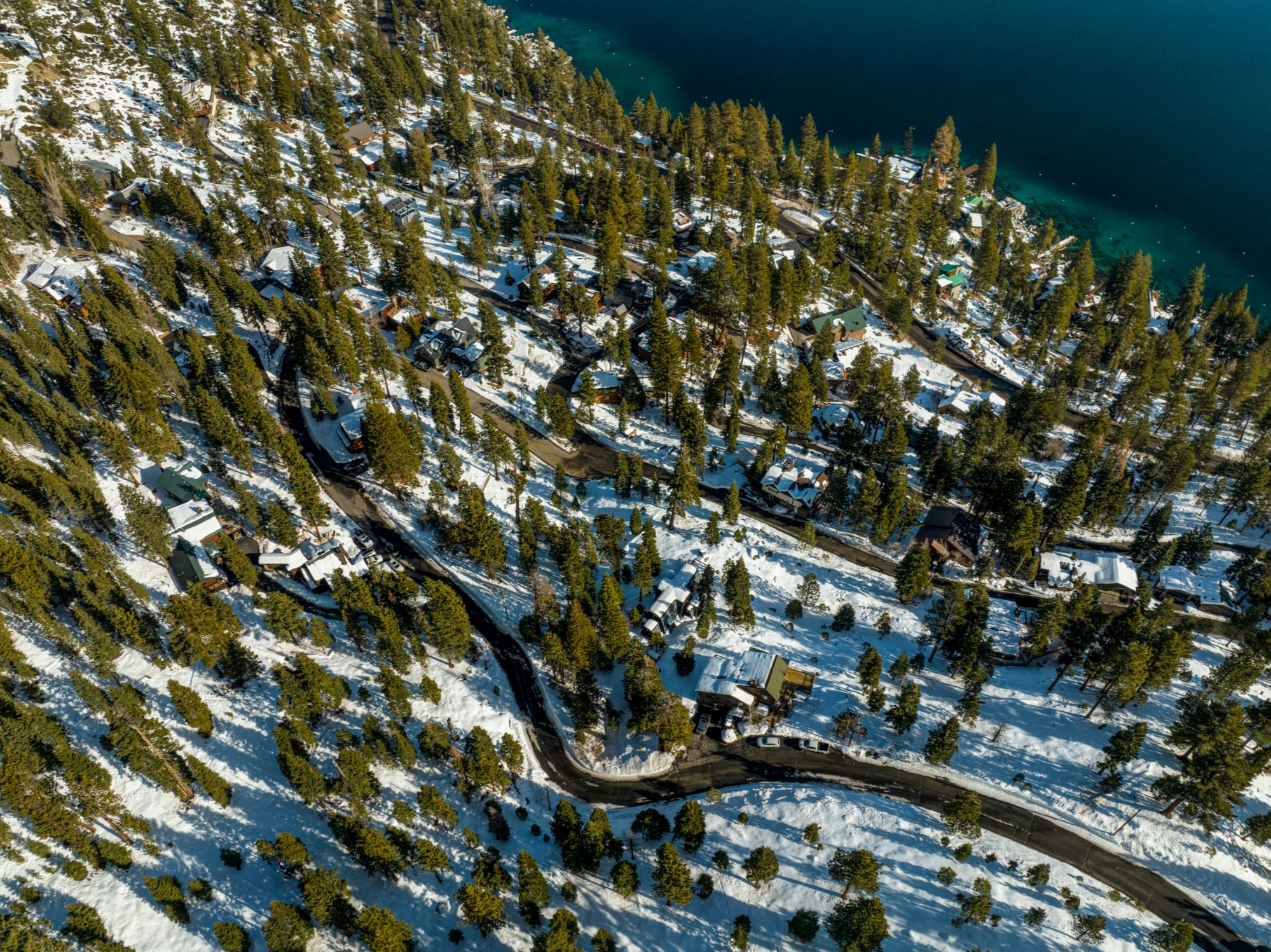
Two homes in the same neighborhood can have very different winter-access experiences.
The street jurisdiction matters, but so do elevation, slope, driveway grade, sun exposure, snow-storage areas, and whether the home sits at the end of a low-traffic road.
A mountain property can look easy to access during summer and feel very different during a four-foot Sierra storm.
Street Priority
Determine whether the property sits on a major route, secondary collector, cul-de-sac, dead end, or privately maintained road.
Driveway Grade
A steep driveway can remain difficult even after the street itself has been cleared.
Snow Storage
Look at where the road crew, HOA contractor, or private plow can legally and practically place accumulated snow.
Private Service
Determine whether the property needs a separate driveway snow-removal contract in addition to public road plowing.
What Should You Verify Before Writing an Offer?
Winter access should be investigated before the property is under contract, especially if the home will become your full-time Nevada residence.
Winter Street Access Due Diligence
- Confirm whether the street is maintained by NDOT, Washoe County, Douglas County, a GID, an HOA, or private property owners.
- Determine where the road falls in the applicable snow-removal priority system.
- Review any HOA or GID snow-removal policies that apply to the property.
- Ask who clears the snow berm at the driveway entrance.
- Evaluate the driveway grade and whether four-wheel-drive access may be important during storms.
- Determine whether a separate private snow-removal contract is needed for the driveway.
- Check where plowed snow can be stored without blocking sightlines, parking, utilities, or neighboring property.
- If possible, ask about the property's access history during previous large Sierra storms.
Pro Tip for Out-of-State Buyers
Before you write an offer, check the recorded plat, HOA documents, GID information, and public road records so you know who owns and maintains the street.
That one detail can determine who plows it, how the service is funded, whether driveway berms are handled, and how the street fits into the broader storm-response system.
Build a More Deliberate Nevada Transition
If your Tahoe home will become part of your Nevada residency strategy, use the NV Residency Guide - Safe Harbor Checklist to organize practical documentation and relocation steps alongside your property due diligence.
Get the Safe Harbor Checklist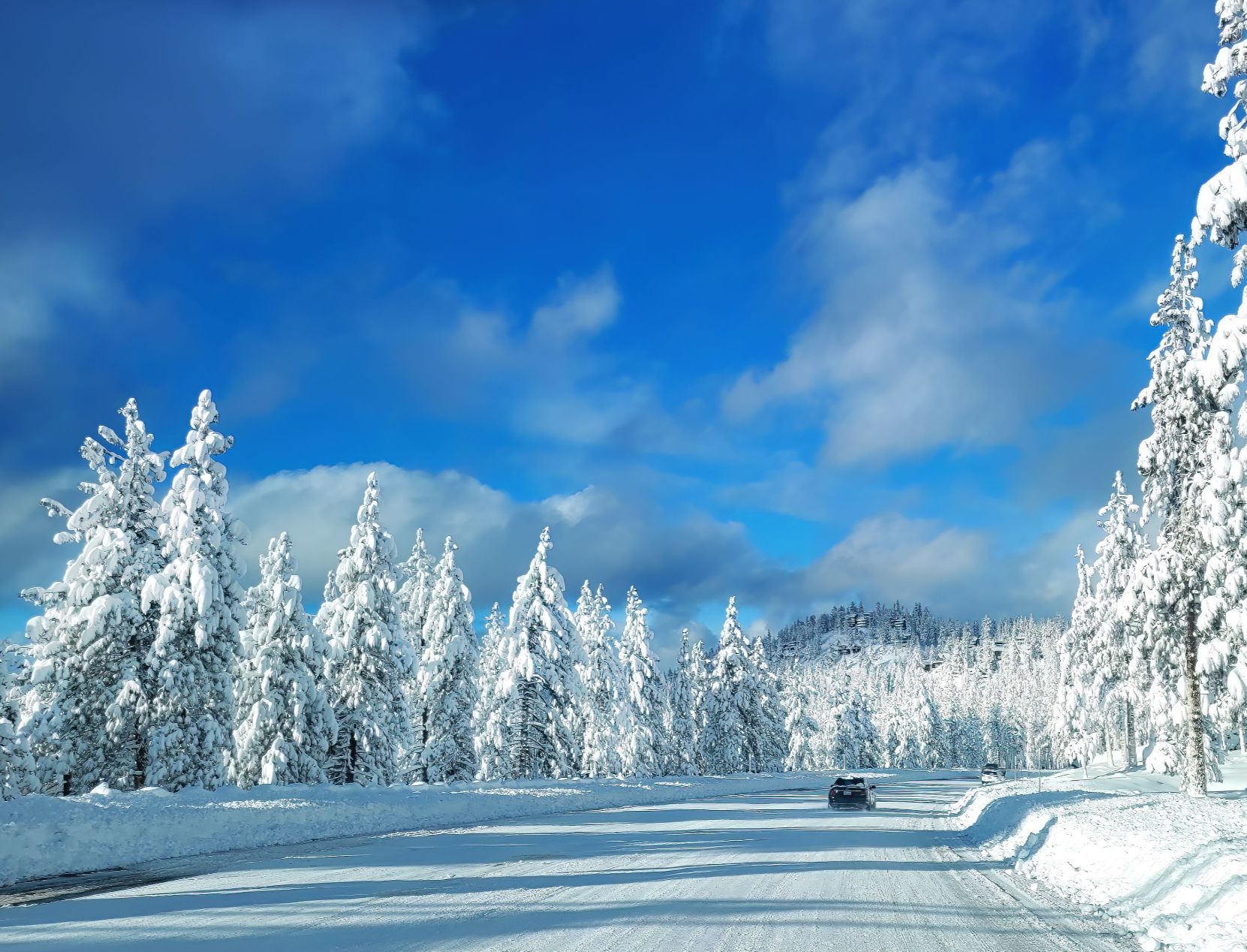
Why This Matters for Tax-Relocation Buyers
The appeal of leaving California's or Washington's tax environment for Nevada may be easy to see on paper.
But winter road access is a recurring lifestyle and ownership issue that does not show up on a tax return.
It belongs in your due diligence alongside property taxes, insurance, HOA dues, utilities, and neighborhood selection.
For a full-time Nevada resident, reliable winter access can be just as important as views, square footage, or proximity to the lake.
Evaluating a Nevada Tahoe Property for Full-Time Living?
Tahoe Tony has more than 28 years of local experience helping buyers navigate Incline Village, Crystal Bay, Glenbrook, and the Nevada side of Lake Tahoe.
Before you make an offer, he can help verify street jurisdiction, GID boundaries, HOA snow-removal responsibilities, and driveway conditions so you understand how the property is likely to function through a Sierra winter.
Evaluate Winter Property AccessibilityThis article is for general informational purposes only and does not constitute road-maintenance, government, engineering, snow-removal, safety, legal, tax, HOA, GID, or real estate advice. Snow-removal policies, road jurisdiction, service levels, plowing priorities, maintenance schedules, berm-clearing practices, district boundaries, contractor responsibilities, funding, and road conditions can change and may vary by property and storm. Buyers should independently confirm current property-specific information with NDOT, Washoe County, Douglas County, the applicable GID or HOA, private road owners, snow-removal contractors, and other appropriate professionals before purchasing a property. Tony Tuoto is a licensed real estate broker, not a public works official, snow-removal contractor, engineer, CPA, or tax attorney.
Nevada Tahoe Winter Street Access FAQ
Frequently Asked Questions
Common questions Nevada Tahoe buyers ask about snowplow priority, road ownership, NDOT, county roads, GIDs, private HOA streets, driveway berms, and winter accessibility.
Has snow removal improved on the Nevada side of Lake Tahoe? +
According to the source, snow removal has improved significantly over the past 10 years. While major Sierra storms can still create challenging conditions, many streets are now plowed within a few hours, and most main routes and residential streets are generally passable while cleanup continues.
Who plows NV-28, Mt. Rose Highway, and US-50? +
The Nevada Department of Transportation, or NDOT, is responsible for these state highways. They are maintained on NDOT's own schedule rather than the county or local district schedule.
Who plows public roads in Incline Village and Crystal Bay? +
According to the source, Washoe County handles public county-maintained roads in Incline Village and Crystal Bay.
Who plows roads around Zephyr Cove and the East Shore? +
Douglas County maintains public county roads in portions of the South and East Shore, while certain streets may fall inside a GID or private HOA that uses a separate snow-removal program.
What is a GID street? +
A General Improvement District, or GID, is a local district that may maintain roads and provide snow removal inside its boundaries. The source identifies Kingsbury GID and Round Hill GID as examples.
Do expensive Tahoe homes get plowed first? +
No. Plowing priority is based on road ownership, traffic function, and the applicable agency's snow-removal plan rather than the value of the homes along the street.
Which residential roads are usually cleared last? +
Under the priority system described in the source, cul-de-sacs, dead ends, low-traffic roads, and some steep residential streets may be cleared after major arterials and secondary collector roads.
Who clears the snow berm left across my driveway? +
It depends on the road type. On many public county roads, the homeowner is responsible for clearing the berm left by the road plow. A GID's policy may differ, and some private HOA snow contracts may include driveway-apron clearing.
What happens if my road is privately maintained? +
Private HOA streets are generally cleared by a contractor hired by the association. An unmaintained private road or easement may require the property owner to hire and pay a snow-removal contractor directly.
What should I verify before buying a Nevada Tahoe home for full-time living? +
Verify who owns and maintains the street, the road's snow-removal priority, driveway grade, berm-clearing responsibility, any HOA or GID snow policy, and whether a separate driveway snow-removal contract is needed.
If your purchase is also part of a Nevada relocation, review the 2026 NV Residency Guide and the Safe Harbor Checklist .
Categories
Recent Posts