Buying a Luxury Home in Nevada: What California Buyers Need to Know

Thousands of high-income earners are making the move from California to the Nevada side of Lake Tahoe, and the math is hard to ignore.
Nevada has no state income tax. For a California buyer earning $500,000 a year, that single difference can potentially mean more than $50,000 back in your pocket annually.
But here’s the part many California buyers miss: closing on a luxury home in Nevada works differently than it does in California. Assuming otherwise can cost you time, money, and leverage.
1. The No-State-Income-Tax Advantage
Nevada does not tax wages, investment income, capital gains, or retirement distributions at the state level. California’s top state income tax rate can reach 13.3%, which is why so many high-income buyers are looking at the Nevada side of Lake Tahoe.
Nevada also has no state estate tax and no inheritance tax, which can make it especially attractive for long-term legacy planning.
Important: You still need to properly establish Nevada domicile. That means getting a Nevada driver’s license, registering vehicles, registering to vote, spending the majority of the year here, and working with a qualified CPA or tax attorney.
Calculate Your Nevada Tax Savings
Thinking about moving from California to Nevada? Start by estimating what Nevada’s tax structure could mean for your household.
Use the NV Tax Savings Calculator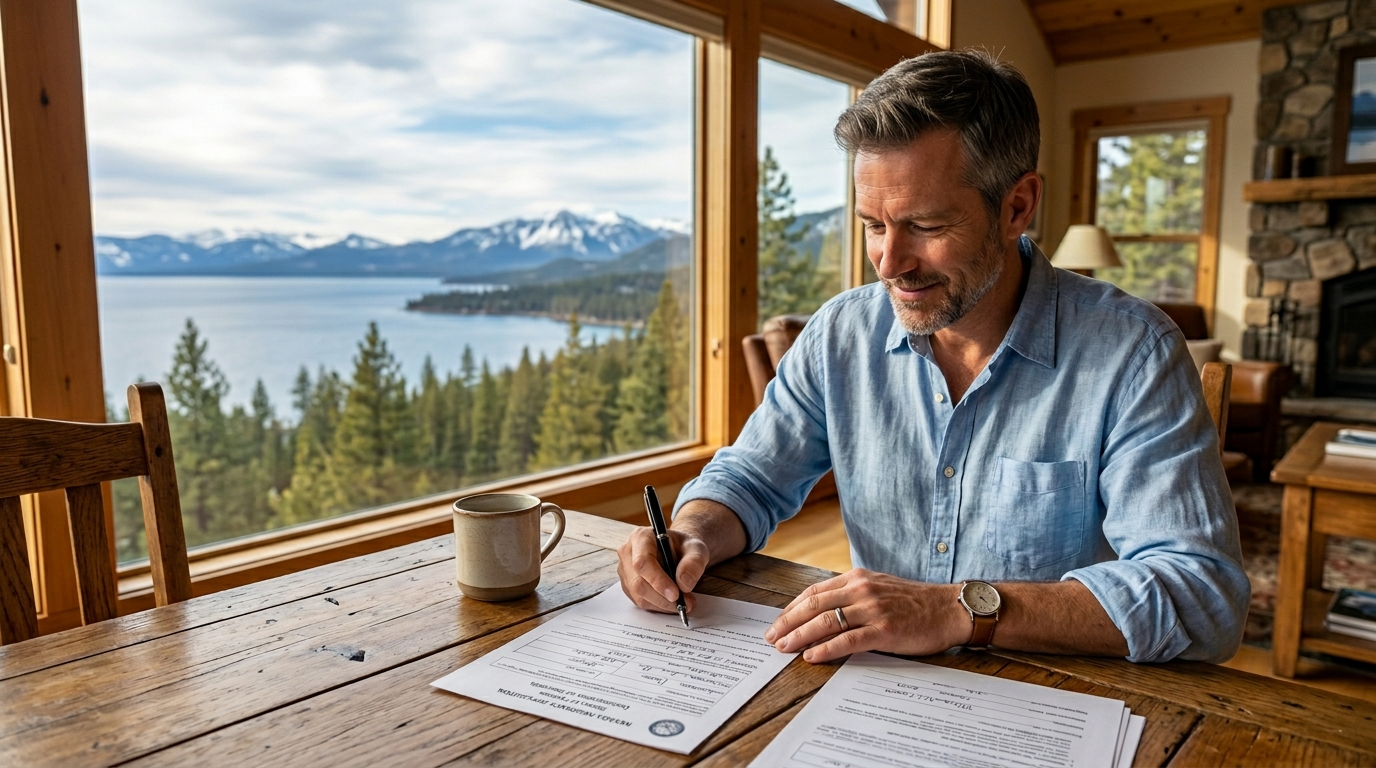
2. “Closed” Means Recorded, Not Just Funded
In California, buyers often think of a deal as closed once the wire clears. In Nevada, you do not legally own the property until the deed is recorded with the county.
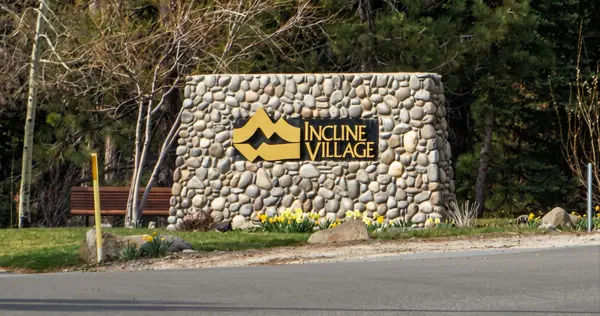
For Incline Village and Crystal Bay, that means the Washoe County Recorder’s Office. For Zephyr Cove and Glenbrook, that means the Douglas County Recorder’s Office.
Funding and recording often happen the same day, but keys are typically withheld until recording is confirmed. Plan your movers, travel, and closing timeline accordingly.
Planning a Nevada Move?
If you are moving from California to the Nevada side of Lake Tahoe, the 2026 NV Residency Guide can help you understand the bigger relocation strategy.
Explore the 2026 NV Residency Guide
3. Transfer Taxes: Know the Real Numbers
Nevada’s Real Property Transfer Tax applies to real estate transactions. In Washoe County, including Incline Village and Crystal Bay, the rate is approximately $2.05 per $500 of value, or about $4.10 per $1,000.
Example: On a $5,000,000 purchase in Washoe County, the transfer tax calculation would be approximately $20,500.
Who pays? In Nevada, it can be negotiable. That makes offer strategy important, especially in luxury transactions.
4. Title Companies Run the Closing
Nevada is a title company state. An independent title company handles escrow, clears title, manages funds, and coordinates recording.
Your earnest money is typically held by the title company, not the brokerage.
Nevada contracts, addendums, contingency timelines, and disclosure requirements can differ from California forms. This is where local experience matters.
Build a Defensible Nevada Residency Move
The Safe Harbor Checklist helps you think through the steps that support a cleaner, more strategic Nevada residency transition.
Download the Safe Harbor Checklist
5. Two More Things California Buyers Often Miss
Property Taxes Are Often Lower
Nevada’s effective property tax rates are often lower than California’s, and annual assessment increases are capped for primary residences. Buyers should still plan for a supplemental tax bill in the first year after purchase.
No Mortgage Recording Tax
Nevada does not charge an additional tax on your loan amount, which can reduce one closing-cost line item compared with some other states.
Final Thought
Buying on the Nevada side of Lake Tahoe is more than a real estate decision. For many California buyers, it is a financial, lifestyle, and residency decision all at once.
The right strategy means understanding the property, the closing process, the tax environment, and the steps needed to support a real Nevada move.
Buying on the Nevada Side of Lake Tahoe?
Tahoe Tony with his 28+ years of experience serving the Nevada side of Lake Tahoe, he helped California buyers navigate the Nevada-side purchase process, from choosing the right property to understanding the right closing strategy.
Contact Tahoe TonyThis post is for informational purposes only and does not constitute legal, tax, or financial advice. Rates and requirements are subject to change. Consult a licensed Nevada CPA and attorney for guidance specific to your situation.
Frequently Asked Questions
These are common questions California buyers ask when purchasing luxury real estate on the Nevada side of Lake Tahoe.
When is a Nevada home purchase officially closed?
In Nevada, a purchase is not officially closed until the deed is recorded with the county. Funding and recording often happen the same day, but keys are usually released only after recording is confirmed.
Who pays the Nevada real property transfer tax?
Real property transfer tax is negotiable in Nevada. In luxury transactions, buyers and sellers can structure responsibility for the transfer tax as part of the overall offer strategy.
Does Nevada have state income tax?
No. Nevada has no state income tax on wages, investment income, capital gains, or retirement distributions, which is one reason high-income California buyers consider the Nevada side of Lake Tahoe.
Estimate potential savings here: NV Tax Savings Calculator.
Does buying a home in Nevada automatically establish residency?
No. Buying a home in Nevada does not automatically establish Nevada domicile. Buyers should also address driver’s license, vehicle registration, voter registration, time spent in Nevada, and professional tax guidance.
Do I need a CPA when moving from California to Nevada?
Yes. California residency rules and tax audits can be complex. Buyers should work with a qualified CPA or tax attorney before relying on Nevada tax benefits.
Which Nevada Lake Tahoe areas do California buyers usually consider?
California buyers often compare Incline Village, Crystal Bay, Zephyr Cove, and Glenbrook depending on whether they want amenities, privacy, lake access, or a full-time primary-residence lifestyle.
Categories
Recent Posts