Nevada Property Tax FAQ for California Buyers
Nevada Property Tax FAQ
What California Buyers Need to Know Before They Buy at Lake Tahoe
For California buyers comparing Lake Tahoe luxury homes, Nevada’s tax structure can look very different from Proposition 13. Here is how to understand the numbers before you write an offer.
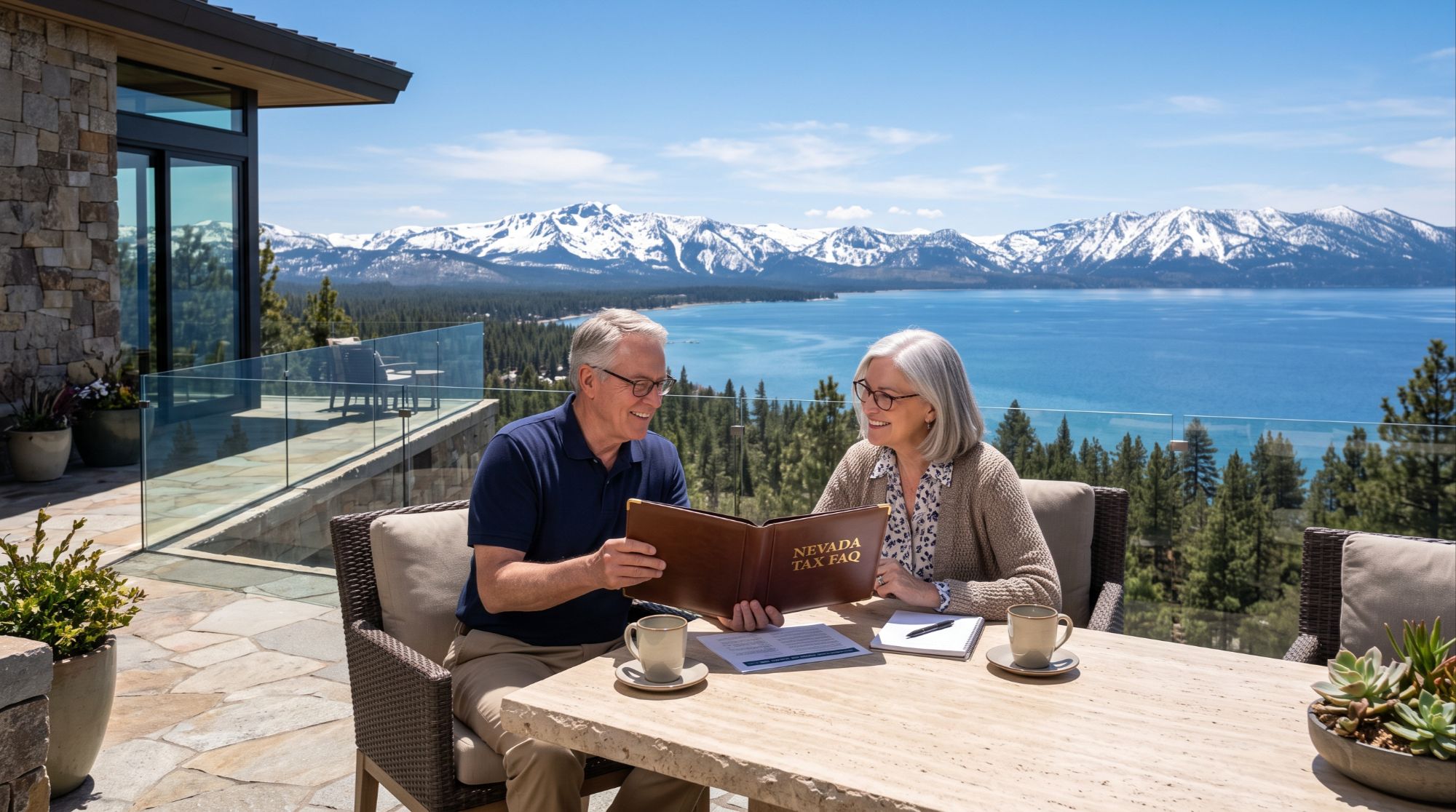
When high-net-worth buyers compare California and Nevada real estate, the headline advantage is usually the same: Nevada has no state income tax.
But once escrow opens, analytical buyers start asking the next question: what about property taxes?
If you are accustomed to California’s Proposition 13 system, Nevada’s property tax structure requires a completely different lens. The all-in comparison is not just income tax. It is income tax, property tax, assessment method, caps, and how the specific property is classified.
Is the Nevada Side Truly Lower Than California?
Generally, yes, but the comparison is more nuanced than a simple percentage.
Under California’s Proposition 13 system, buyers are taxed at a base rate of 1% of the purchase price, plus voter-approved local bonds that typically push the effective rate higher at closing.
Why Nevada Looks Different
On the Nevada side, the effective property tax burden on market value often falls well below California’s rate for many luxury buyers.
Unlike California, Nevada does not automatically reset assessed value dollar-for-dollar to the purchase price when a property sells.
Calculate Your Nevada Tax Savings
Before comparing property taxes alone, see how Nevada’s no-state-income-tax structure may affect your full financial picture.
Use the NV Tax Savings Calculator
How Nevada Calculates Property Taxes
Nevada uses a multi-step formula, not a straight percentage of your purchase price. That is one of the most important differences for California buyers to understand.
Taxable Value
The county assessor estimates taxable value using the cost method. This generally includes the replacement cost of the structure minus statutory depreciation, plus land value at market.
Assessed Value
Nevada uses 35% of taxable value as the assessed value for tax purposes. This is a key structural difference from California’s system.
Combined Tax Rate
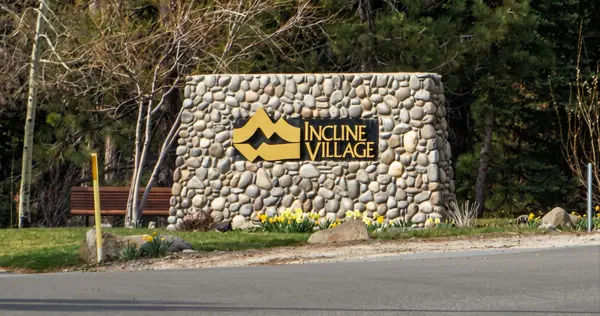
Each tax district applies a combined rate to assessed value. In Incline Village, the rate can include county, state, school, fire district, and IVGID levies.
Property Tax Cap
Nevada caps how much the bill can increase year over year. The cap is generally 3% for primary residences and up to 8% for second homes and investment properties.
Planning a Nevada Move?
If your Lake Tahoe purchase is part of a larger California-to-Nevada relocation plan, start with the 2026 NV Residency Guide.
Explore the 2026 NV Residency Guide
Side-by-Side Property Tax Projection: $5,000,000 Purchase
This example shows why California buyers should not assume the same tax math applies on both sides of the state line.
| Tax Metric | California Side | Nevada Side |
|---|---|---|
| Assessment Basis | Full purchase price, reset at each sale | Replacement cost minus depreciation, not an automatic purchase-price reset |
| Effective Year 1 Tax Rate | Often around 1.1% to 1.25% of purchase price | Often around 0.4% to 0.8% of market value, depending on property age and district |
| Year 1 Estimated Tax Bill | Approximately $55,000 to $62,500 | Approximately $20,000 to $40,000, depending on taxable value |
| Annual Increase Cap | California Prop 13 limits assessed value increases | Generally 3% for primary residences and up to 8% for second homes |
| Reassessment on Resale | Automatically resets to full purchase price | Assessor recalculates using Nevada’s cost method |
Note: Nevada tax estimates vary by property age, land value, building value, district, and assessor calculations. Brand-new construction may have taxable value closer to replacement cost.
Build a Defensible Nevada Residency Move
The Safe Harbor Checklist helps you think through the practical steps that support a cleaner, more strategic Nevada residency transition.
Download the Safe Harbor Checklist
The Bottom Line for California Buyers
Between Nevada’s no state income tax and a structurally lower property tax burden, the all-in cost of owning a luxury home on the Nevada side of Lake Tahoe can be meaningfully lower than an equivalent property across the state line.
For California buyers, the key is not guessing. It is running the actual numbers for the specific property before you submit an offer.
Tahoe Tony Tuoto has spent 28+ years helping California buyers evaluate real estate opportunities across the Nevada side of Lake Tahoe, including Incline Village, Crystal Bay, Glenbrook, Zephyr Cove, and Stateline.
Request Your Property Tax ProjectionRequest a Personalized Property Tax Projection
If you are considering a specific home on the Nevada side of Lake Tahoe, Tahoe Tony can help you review the property tax picture before you write your offer.
That means looking at the actual parcel, district, taxable value, building age, ownership use, and the broader tax strategy behind your move.
This post is for informational purposes only and does not constitute legal, tax, or financial advice. Property tax rates, assessments, abatements, and laws are subject to change. Consult a qualified CPA, tax attorney, and local tax professional before making purchase or residency decisions.
Nevada Property Tax FAQ
Frequently Asked Questions
These are common questions California buyers ask about Nevada property taxes before purchasing a luxury home on the Nevada side of Lake Tahoe.
Are property taxes lower on the Nevada side of Lake Tahoe than in California?+
Generally, yes. The Nevada side often has a lower effective property tax burden on market value than comparable California ownership scenarios. The exact savings depend on the specific property, taxable value, age of improvements, district, and ownership use.
How does Nevada calculate property taxes?+
Nevada uses a multi-step formula. The assessor calculates taxable value using land value and replacement cost of improvements minus depreciation. Then 35% of taxable value becomes the assessed value, and the local combined tax rate is applied.
Does Nevada reassess a property to the full purchase price when it sells?+
No. Nevada does not automatically reset assessed value dollar-for-dollar to the purchase price. The assessor recalculates taxable value using Nevada’s cost-based method, which can create a major difference compared with California’s purchase-price reset.
What is Nevada’s property tax cap?+
Nevada limits how much a property tax bill can increase year over year. For a primary residence, the annual cap is generally 3%. For second homes and investment properties, the cap can be up to 8%.
How much could property taxes be on a $5,000,000 Lake Tahoe home?+
On the California side, a $5,000,000 purchase may produce an estimated first-year property tax bill around $55,000 to $62,500. On the Nevada side, the estimate may be closer to $20,000 to $40,000 for many properties, depending on taxable value, building age, depreciation, and tax district.
Are Nevada property taxes different for primary residences and second homes?+
Yes. Nevada’s annual tax cap is generally lower for primary residences and higher for secondary homes or investment properties. This is one reason buyers should confirm how a specific property will be classified before relying on projections.
Should California buyers request a property tax projection before making an offer?+
Yes. Because Nevada property taxes depend on the specific parcel, improvements, depreciation, district, and ownership use, California buyers should request a property-specific projection before submitting an offer.
Categories
Recent Posts